
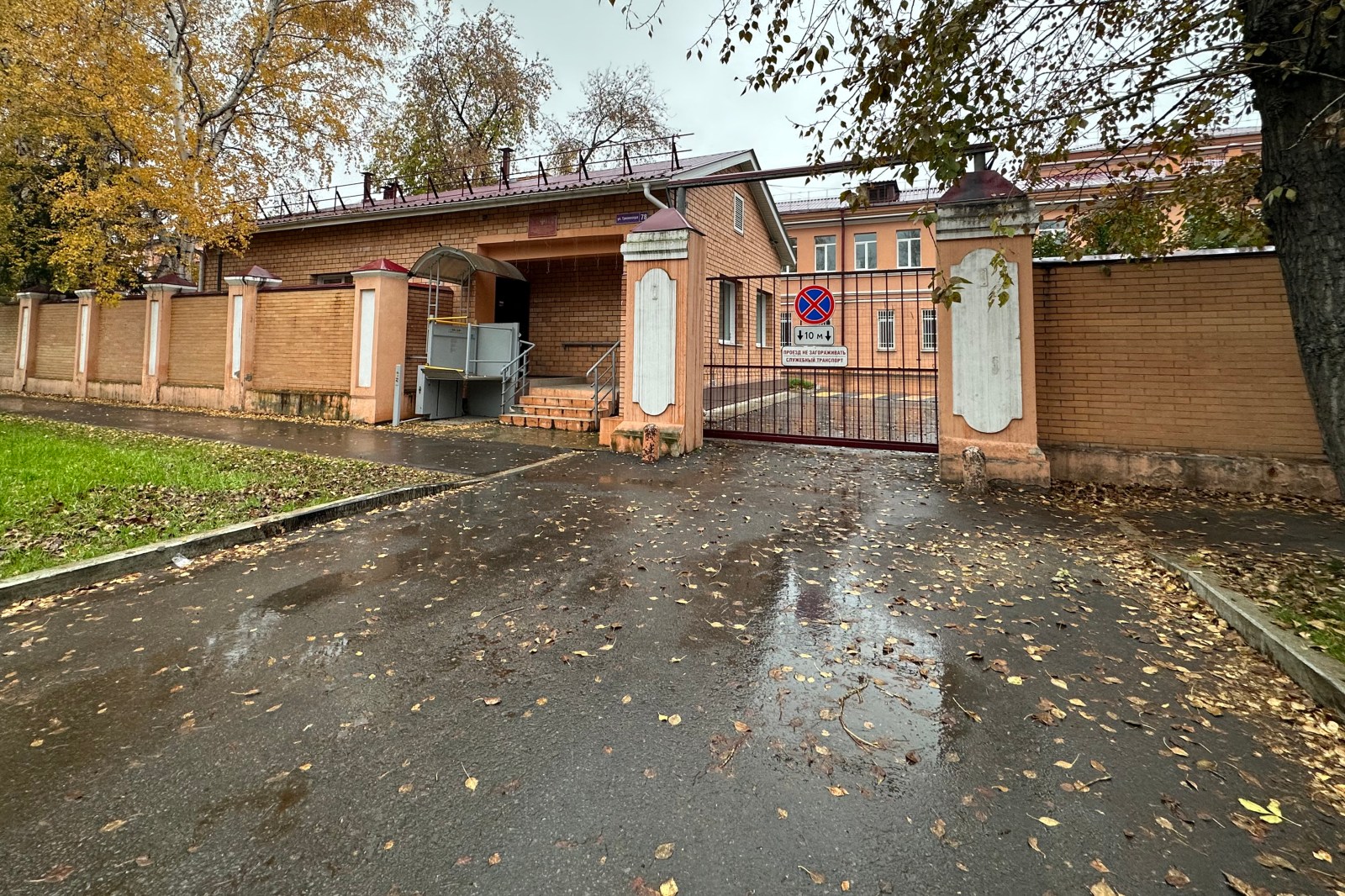
The sudden death of Darya Shipilova, a researcher at the Irkutsk Anti-Plague Institute in Russia, has sparked concerns over a possible outbreak of the disease she studied. Questions continue as details surrounding her death remain murky. Health authorities have managed to identify and place those who had contact with her under medical supervision, according to the World Health Organization (WHO).
U.S. officials are urging more transparency from Moscow, especially as reports emerge of hospital quarantines in Russia. Newsweek has reached out to Russia’s health watchdog, Rospotrebnadzor, for a statement.
Has the Plague Actually Been Confirmed?
Shipilova’s passing at age 28 has generated theories linked to her work at the Irkutsk Anti-Plague Research Institute of Siberia and the Far East, focused on dangerous infections. The WHO outlines that the plague can manifest in bubonic, pneumonic, or septicemic forms, with reports hinting that pneumonic plague might be involved in her death. This type, caused by the bacterium Yersinia pestis, is often associated with small mammals and their fleas.
Despite the suspicion, Rospotrebnadzor announced that Shipilova died from “pneumonia of unknown etiology,” with tests revealing no microorganisms related to her professional duties. This indicates that Russia has not officially confirmed the plague. The WHO acknowledged being informed by Russian authorities that the woman’s illness initially resembled a typical acute respiratory viral infection and noted that no plague cases have been documented in Irkutsk. “WHO has requested additional information from Russia on which pneumonia-causing pathogen led to the woman’s death,” the organization stated.
What Did Laboratory Tests Show?
No plague cases have been recorded in Irkutsk, Russian health officials told WHO, while the woman’s illness presented initially as a viral infection. Igor Kobzev, governor of Irkutsk, confirmed that no work-related pathogens were detected in Shipilova’s body, although detailed test results remain undisclosed. This lack of transparency raises questions, as emphasized by Amos Weiskopf, editor of Plague News. “She worked at a plague institute, where plague can be tested for within hours,” he remarked. “Four days after her death, the official cause is still ‘unknown origin,’ and no other cause has been named.”
Did a Laboratory Accident Actually Occur?
Unverified reports claim that Shipilova broke a test tube containing the plague pathogen on September 25 and did not report the incident. However, Rospotrebnadzor refuted this, citing a special commission that found no accidents with pathogenic microorganisms. Some of Shipilova’s former colleagues expressed outrage at allegations of regulatory breaches. One former classmate, Valentina, insisted that the lab’s regulations were stringent, baffled by the accusations. Javier Pizarro-Cerda from Institut Pasteur in Paris pointed out that those working with plague typically use protective gear, minimizing risks even if a tube breaks.
What Explains the Conflicting Accounts?
With Russian national and local media under Kremlin control, official incident accounts differ from those in independent reports. Kremlin spokesman Dmitry Peskov advised focusing on official statements from Rospotrebnadzor rather than unverified rumors. Alexei Tsydenov, Buryatia’s head, initially stated the cause of death as plague but later revised his statement, leading to confusion. A source told People of Baikal that Irkutsk doctors are discussing the plague openly.
Conditional coverage by Russian state TV includes a single mention by the defense ministry channel Zvezda. It reported that Irkutsk had called an emergency meeting with Rospotrebnadzor’s head after local info surfaced about a plague-related death. However, this broadcast was isolated. Despite assessments claiming no relevant microorganisms were found, results remain unpublished, and the diagnosis stands as pneumonia of unknown origin, according to Weiskopf.
Why Have Hospitals Been Quarantined?
The U.S. State Department communicated to Newsweek that the plague is manageable with common antibiotics, especially with prompt treatment. Although reports exist about restricted access to Irkutsk hospitals, official confirmation is lacking. People of Baikal noted that several city hospitals, including a children’s and maternity hospital, were quarantined, with around 200 people monitored. An expectant mother shared that she underwent plague symptom checks at the Irkutsk Prenatal Center. Ulyana Gavryunina, blogging about her pregnancy, mentioned being informed of the quarantine, limiting admission to women ready for childbirth.