
The Basilica of Saint Francis of Assisi, nestled in the hills of Umbria, Italy, faced devastation when two powerful earthquakes struck in 1997. The basilica, a 13th-century religious site, is renowned for housing works from medieval masters like Cimabue, Pietro Lorenzetti, Simone Martini, and Giotto. Restorers have long grappled with the challenge of restoring over 80,000 fragments scattered by the quakes.
Sergio Fusetti, who has been involved in the basilica’s restoration since the 1970s, disclosed that only artificial intelligence can now support the complex reconstruction process. A collaborative effort involving art historians, software engineers, and the Franciscan friars is underway, employing digital tools and AI to accomplish what was once deemed impossible.
Historical Importance and Modern Challenges
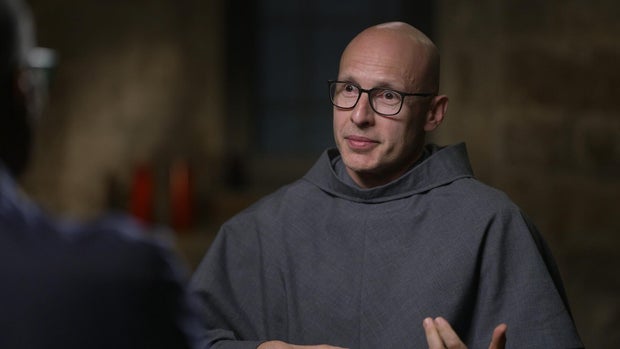
Earthquakes have periodically afflicted the Basilica of Saint Francis, a resting place for one of Christianity’s most cherished saints who renounced wealth for a humble life. In 1997, consecutive quakes not only caused structural damage but also claimed the lives of four individuals, with Fusetti among the injured. His recollections, alongside Friar Giulio Cesareo’s vivid memories of the tremors, underscore the lasting impact of such events.
In the years since, the restoration team has meticulously worked on frescoes and art treasures. However, many areas remain unfinished, revealing the magnitude of the task at hand.
Integrating 21st-Century Tech in Restoration
The friars have partnered with Haltadefinizione, a tech firm specializing in ultra-high-definition imagery. Giovanni Borelli, the company’s Chief Technology Officer, leads the effort to create a digital twin of the basilica using cutting-edge cameras, drones, and lasers. This technology captures incredible detail, enabling restorers to visualize the structure with precision.
By next year, this digital twin will be accessible to the public. Alongside providing a reconstruction roadmap should future earthquakes occur, Borelli’s team plans to apply AI to piece together missing fragments and address restoration challenges like painting cracks and discoloration, tasks that would otherwise take years.
Preserving and Expanding Art Access
Borelli aims to make art more accessible through technology. Using similar digital methods, they have documented a Roman emperor’s thermal bath remains, uncovering forgotten chambers with rich mosaics. Virtual reality offers users a chance to immerse themselves in Italy’s storied past.
Despite the difference between digital representations and experiencing art firsthand, Borelli sees technological outreach as invaluable. Friar Cesareo shares this sentiment, emphasizing the role of technology in disseminating the basilica’s beauty and faith to a broader audience efficiently.
Technology helps us to go farther away, to reach more people than we could before,Friar Cesareo said, highlighting its potential to share the basilica’s treasures.