
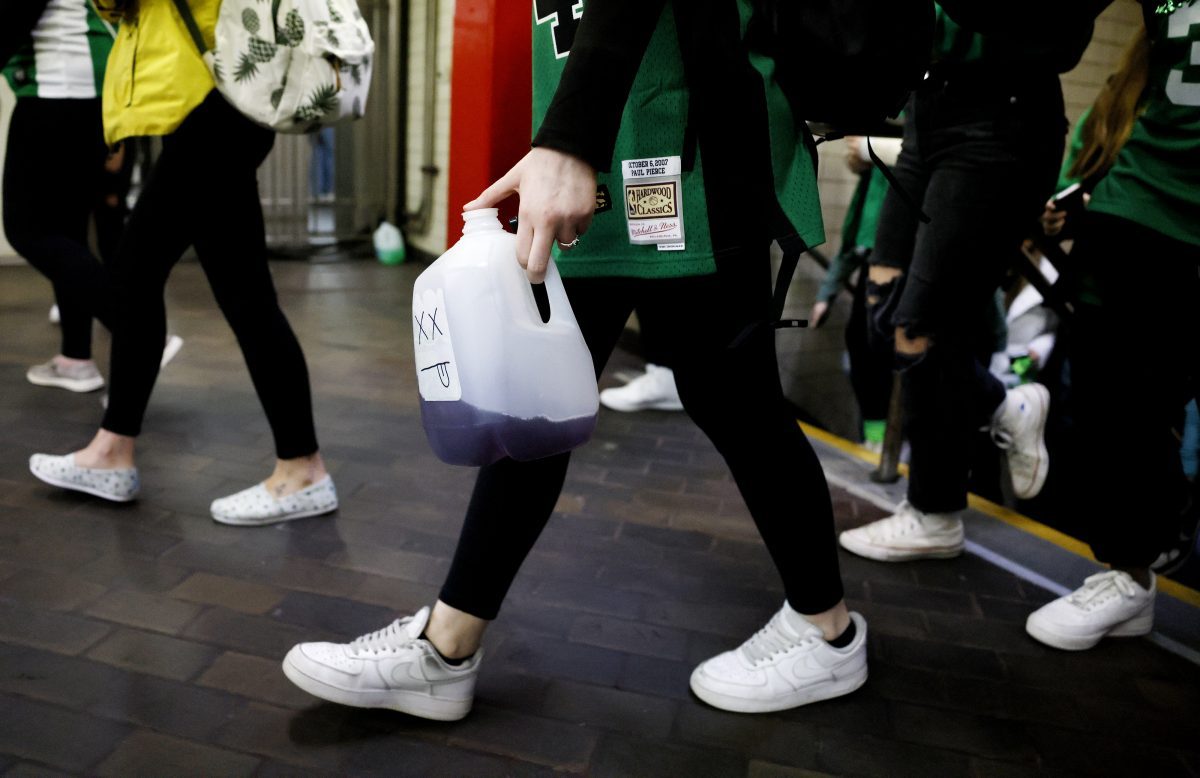
BORGs, short for ‘black-out rage gallons,’ have become a trend on U.S. college campuses, thought by some to pose less risk in social drinking. However, a new study points to potentially harmful drinking behaviors associated with them. BORGs involve mixing liquor, water, vitamins, or electrolytes, with flavorings in large containers, often old milk jugs, for personal use at gatherings.
Social media played a major role in spreading the BORG concept. Advocates argue it offers control over beverage contents, reducing risks from communal punches that might be tampered with or carry bacteria. According to Amelia McCoun, a counselor at Texas Tech University, BORGs provide an option for harm reduction by letting students decide their alcohol content.
Despite perceived benefits, there are concerns. McCoun highlighted how easily accessible BORGs might promote binge drinking, leading to alcohol poisoning or negative outcomes. The University of Chicago study investigated U.S. college students’ drinking behaviors with BORGs. It found participants consumed 9.4 standard drinks during events with BORGs versus 6.3 without.
Researchers noted alarming findings: 28% of users typically got drunk or buzzed, 29% experienced blackouts, over half did something embarrassing, and 17% vomited. There have been hospitalizations linked to BORG use, such as a 2023 incident at the University of Massachusetts Amherst.
Lead researcher Andrea C. King voiced concerns about BORGs, citing the sweetness and sharing nature of these drinks as alluring yet risky. Nearly all study participants shared or tasted others’ BORGs. Despite risks, 68% of subjects would likely use BORGs again for social ease and enjoyment, although controlled consumption and contamination reduction claims were not supported.
The study underlines the need for awareness about the real hazards of BORG drinking habits.