
The current state of college athletics presents significant challenges. A lack of rules and leadership, coupled with high financial stakes, creates instability. The recent Protect College Sports Act, passed by the Senate, aims to introduce guidelines for name, image, and likeness (NIL) deals, athlete compensation, eligibility, and the transfer portal.
Need for a Unified Framework
Many agree on the necessity for standard regulations across collegiate sports. However, opinions diverge sharply over the specifics of athlete compensation. Government officials, athletic directors, coaches, and athletes often struggle to find common ground on this issue.
Insights from Coach John Calipari
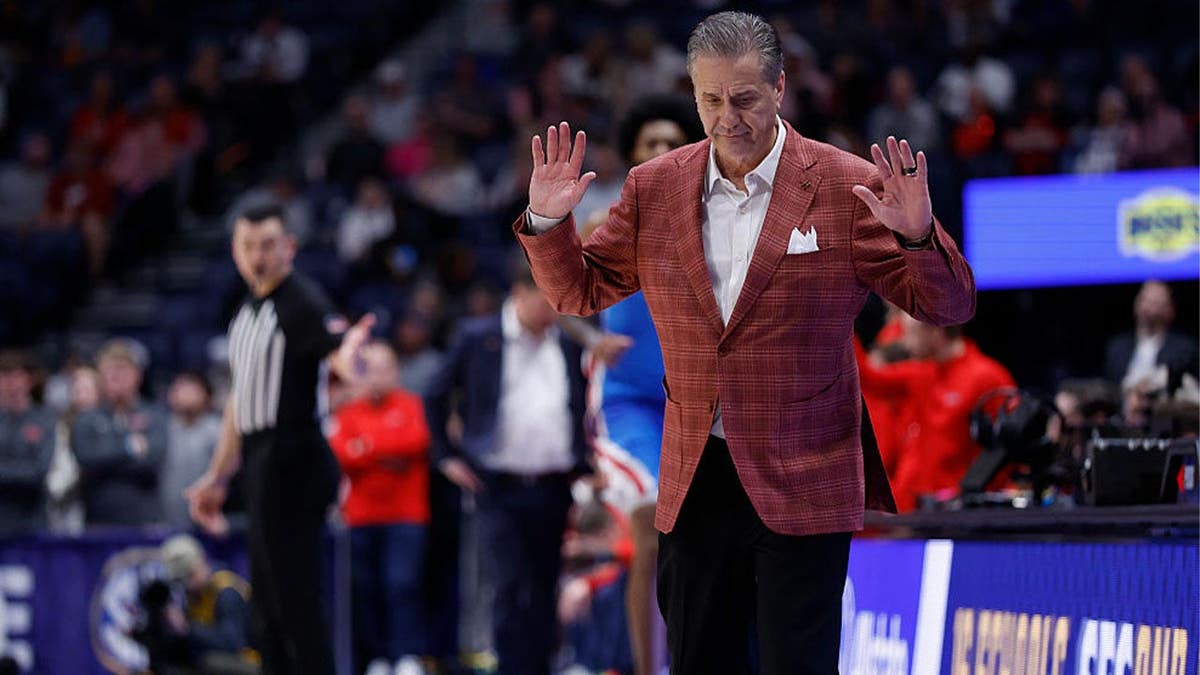
Arkansas Razorbacks head coach John Calipari highlighted an imbalance. According to Calipari, several players on his team earn more than his assistant coaches. He mentioned, “Nine of my players make more than my assistants. The other three make more than all my staff.” This statement underscores the financial realities of top-level college sports, where players can sometimes out-earn staff members.
Calipari further noted that coaching staff salaries are often below revenue share figures, such as the $22 million mentioned. Despite earning around $8 million annually, Calipari expressed concern over the financial distribution within sports programs.
Public Discontent and Broader Implications
Critics are concerned about the financial disparity between coaches and players. Fans attend games to see athletes compete, not coaches manage. For example, Arkansas supporters pay to watch Darius Acuff Jr., not specifically Calipari. Similarly, NFL fans paid to watch Tom Brady rather than Bill Belichick, illustrating the precedence of player visibility over coaching.
Possible Future of College Sports
Determining a feasible solution for college sports remains complex. Past the point of easy fixes, the involvement of the U.S. government in these reforms introduces both hope and skepticism. While governmental decisions on such issues prompted varied reactions, the search for a sustainable framework continues.