
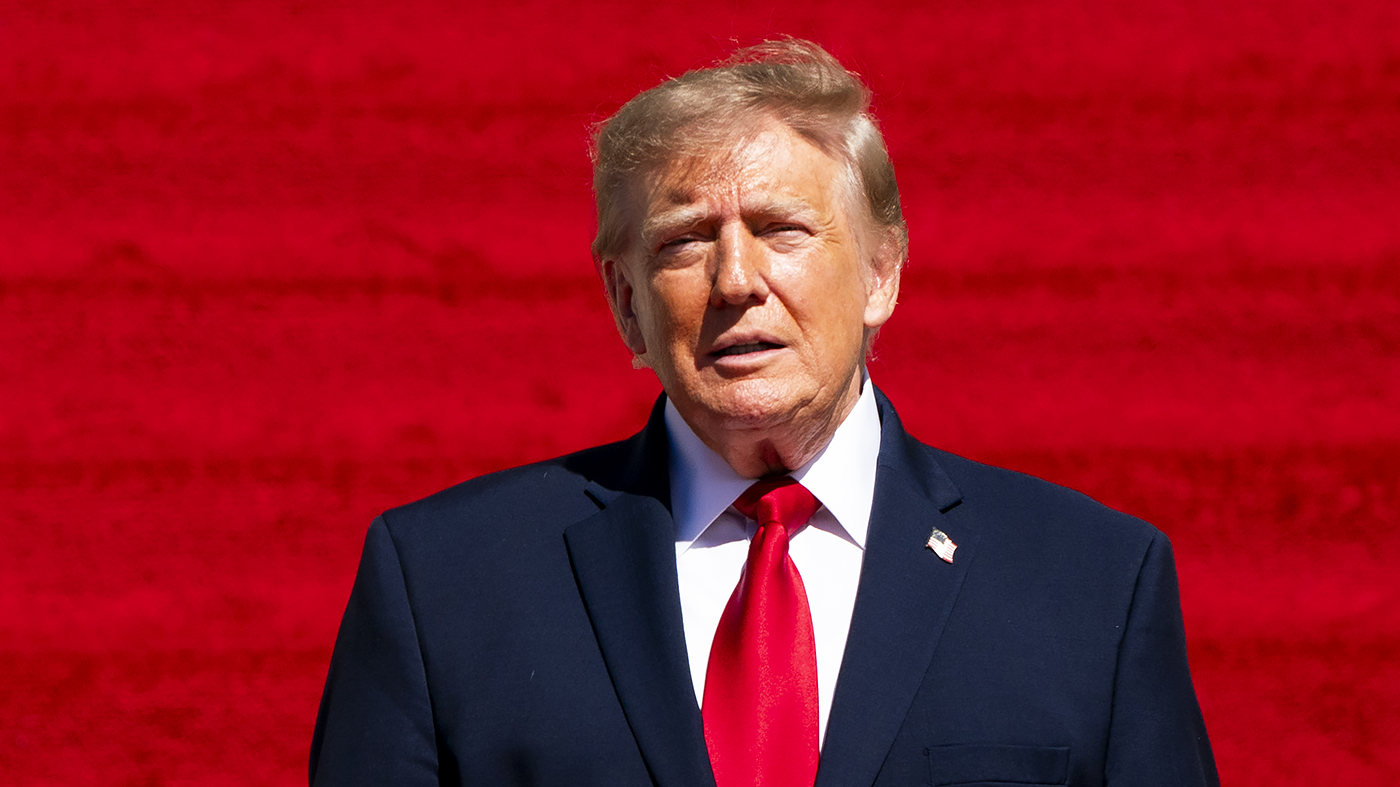
President Trump and Chinese President Xi Jinping recently visited the National Archives in Washington, D.C., during Jinping’s state visit. Amid this high-profile diplomatic event, an urgent domestic issue looms. Congress faces a September 30 deadline to reauthorize the Lautenberg Amendment, a refugee program aiding Jews escaping antisemitism in Iran. The Trump administration, however, has halted the program by closing essential processing centers.
The Lautenberg-Specter program, established in 1990, initially supported Jews and Christians persecuted in the Soviet Union. In 2004, it expanded to include religious minorities in Iran. This initiative has consistently received bipartisan support. Its necessity persists as threats against these communities have intensified. Senator Tom Cotton has labeled Iran as the predominant source of global antisemitism. The U.S. Commission on International Religious Freedom echoes this sentiment, citing Iran’s campaigns targeting Jewish individuals and sites.
Despite the program’s critical role, the Trump administration has dismantled a vital escape route for these persecuted individuals. For Iranian religious minorities, the process starts in the United States with a family member or friend sponsoring them. Applicants begin their journey in Iran without a U.S. embassy for interviews. Those progressing to the next stage travel to Austria, where the Vienna-based Resettlement Support Center previously facilitated their applications.
The center coordinated with U.S. officials to complete interviews, medical exams, and necessary documentation, while law enforcement conducted background checks. From 2001 to 2025, over 33,000 members of Iran’s religious minorities utilized this system. But in ending the grant funding the center, over 14,000 applicants remain stranded without clear case follow-up due to lost data access.
Citing a worse situation post-Israel conflict, the urgency has increased. Iranian authorities have arrested over 20,000 people, including minority groups, amidst the recent unrest.
The crackdown also includes extraterritorial plots, such as an Iranian officer in January 2025 recruiting a Georgian trafficker to target Rabbi Shneor Segal in Azerbaijan. This plot was foiled, yet it underscores the far-reaching danger.
While President Trump professes strong opposition to antisemitism, his administration’s policies contradict this stance. Although Trump’s travel restrictions from Iran provide exceptions for persecuted minorities, the dismantling of the Lautenberg-Specter program contradicts any active assistance claims.
With Congress potentially reauthorizing the Lautenberg Amendment soon, it is crucial for the administration to restore the necessary infrastructure. This move would support the 14,000 individuals and reinforce Trump’s commitments against antisemitism globally.
Mia Emmunah Toubian and Jason Bryan Silverstein, authors of this analysis, highlight these inconsistencies. Toubian is an Iranian American journalist and human rights researcher. Silverstein is a Harvard Medical School program director with expertise in health and human rights.