
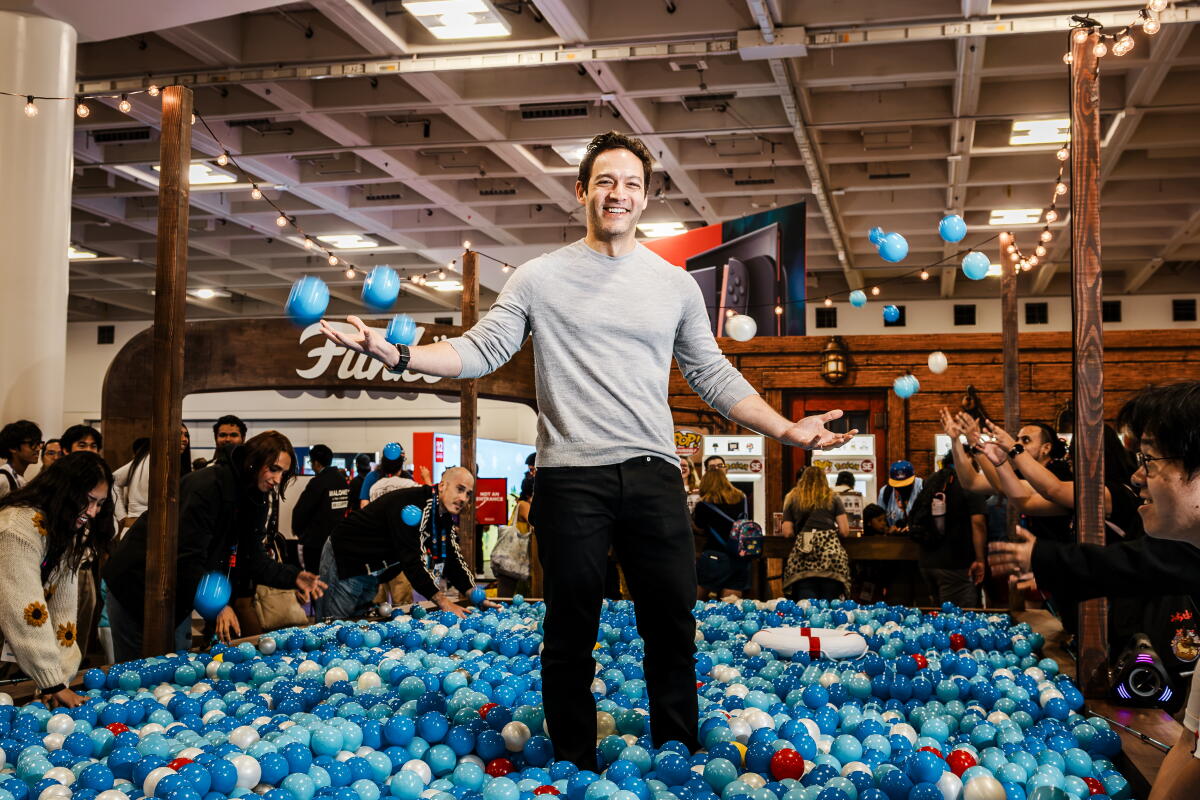
For numerous celebrities, having a Funko Pop! figure modeled after themselves marks a milestone in Hollywood status. The four-inch vinyl figurines are iconic, with their oversized heads and dot eyes, representing a firm place in popular culture. These are commodities that fans buy, celebrate, and display. Funko’s flagship Hollywood store offers thousands of choices, from NFL players and Disney princesses to characters from Netflix’s period drama ‘Bridgerton.’ Yet, the company behind these beloved dolls faces substantial challenges.
Funko Inc. reported a $67.4 million loss on $908.2 million in sales last year, a 13% decline from the previous year. Additionally, the company has $225 million in debt.
The Everett, Wash.-based company cautioned investors about generating enough cash to meet its financial commitments. Concerns arose due to tariffs in China, canceled retail orders, and anticipated breaches of loan agreements. Josh Simon, Funko’s Chief Executive, acknowledged he took over at a pivotal moment. Now, the company strategizes for a comeback.
The Journey of Funko
Originating in 1998 by Mike Becker who envisioned bobbleheads as the next trend, Funko began in a garage. Entrepreneur Brian Mariotti invigorated the business post-2005, licensing varied characters. Success followed with the launch of big-headed figurines in 2010.
Over time, ownership changed, the product line expanded, and Funko went public in 2017. Though revenue primarily springs from licensed characters sold through multiple channels, the company faced sales declines brought on by excessive production, incorrect character selection, and pronounced tariff impacts.
President Trump’s tariffs made Chinese manufacturing costly, amid declining sales, leading retailers to slash prices which discouraged collectors.
‘Collectors hate bargain bins,’ remarked Gerrick Johnson, an analyst with buy ratings on Funko.
Revitalization Plans
Under Simon’s leadership, Funko diversifies its supply chain, moving production outside of China to Vietnam and other locations. This approach has improved cash flow, alongside renegotiated debt timing and expedited product market introductions.
An example: Funko rapidly launched figurines surrounding ‘KPop Demon Hunters’ within four months of the film’s release, surpassing competitors like Mattel.
Additionally, Funko responds swiftly to cultural moments. John Cena’s final WWE match saw immediate pre-orders for a Funko figure replicating his attire.
‘Success in real-time requires quick adaptation,’ stated Scott Zanghellini of WWE Consumer Products.
Cultivating Cultural Moments
Expanding what qualifies as a license, Funko ventures into creating figures from ‘The Folk of the Air’ and original characters. Simon emphasizes seizing cultural moments actively.
Engaging fan bases remains key. At the PokémonXP convention, a Pop! Yourself booth allowed attendees to create custom figures, an initiative praised by fans like Jeff Leu.
‘There seems to be a Funko for everything,’ stated Leu, maintaining a substantial collection.
Positive Indicators
The turnaround demonstrates encouraging trends. Second-quarter sales increased by 7% to $207.7 million, and net income reached $15.4 million compared to a $40.5 million loss the previous year. Still, a $25.4 million tariff refund notably influenced results.
Funko’s stock closed around $5.50, up by 1%, climbing 38% over the year but standing below early 2025 levels.
‘Assessment of Simon’s actions remains premature, yet his strategies appear promising,’ noted Johnson.
An interesting phase in Funko’s history offers Simon a substantial growth opportunity.