
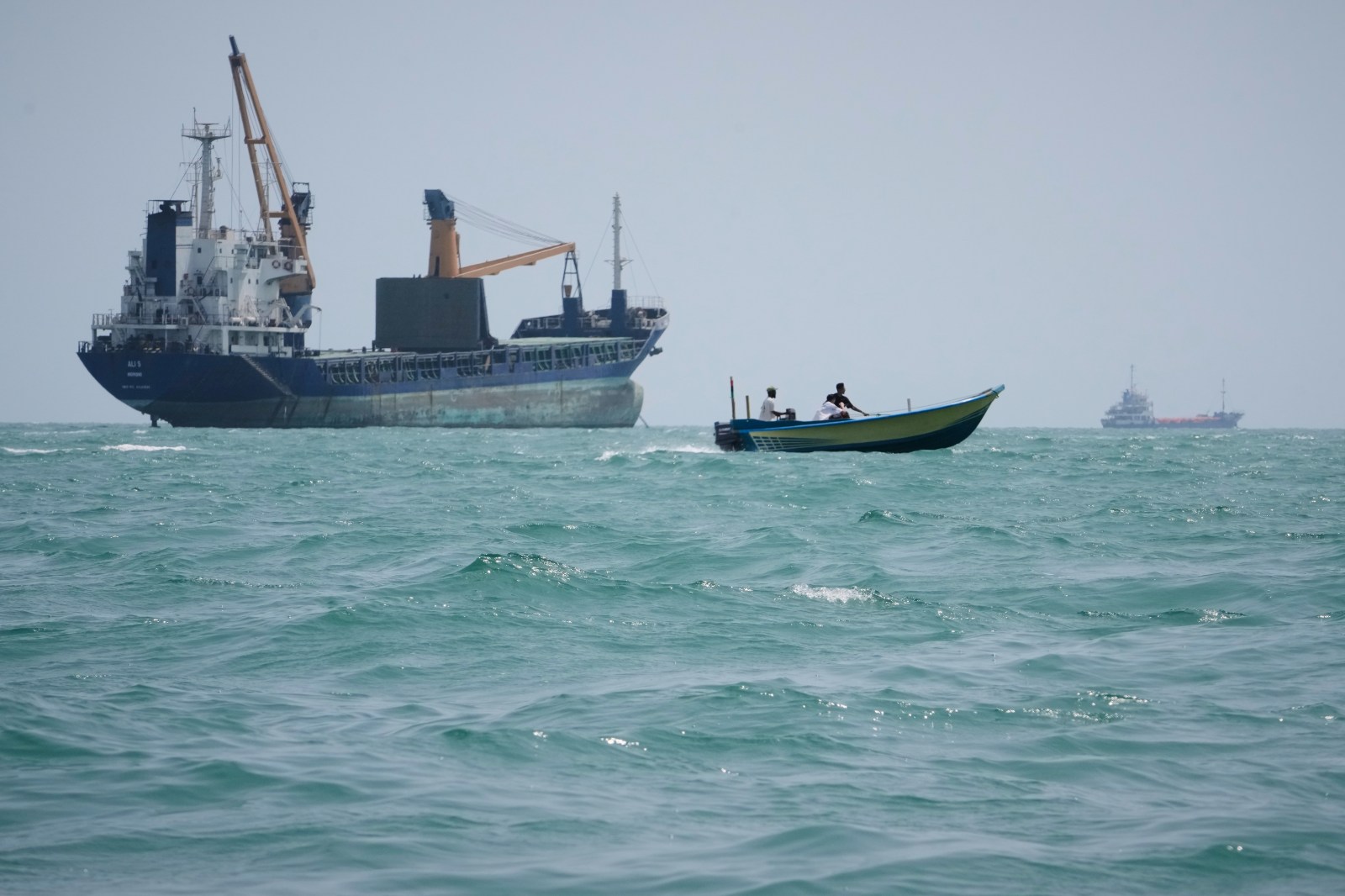
The U.S. military has enforced a significant maritime blockade against Iran in recent months. Over the past 60 days, U.S. forces redirected 100 commercial vessels, highlighting the tense security situation in the critical Strait of Hormuz. U.S. Central Command (CENTCOM) emphasized no ships passed without authorization, and the mission remains a priority for American service members.
This blockade underscores the breadth of U.S. naval operations in the region as diplomatic efforts to stabilize the vital waterway remain stalled. Newsweek sought further details from CENTCOM, reflecting the logistical and tactical efforts needed to maintain maritime control amid this ongoing confrontation.
The conflict in the region began in late February, turning the Strait of Hormuz into a major global flashpoint. This narrow corridor handles a substantial portion of the world’s oil and gas transit, making disruptions a threat to international energy markets and economic stability. CENTCOM’s statements reiterate their control over commercial traffic, allowing passage strictly under U.S. authorization.
The U.S. administration’s broader strategy against Tehran combines military enforcement and economic sanctions, aiming to curb Iran’s oil exports and regional influence. Despite talks, Reuters reported no formal agreement is expected to address shipping concerns in upcoming meetings.
Security concerns escalate with reports of attacks on shipping, military strikes, and disputes between Washington and Tehran over strait control. The U.S. claims the mission protects maritime commerce while Iran condemns the blockade, arguing it interferes with lawful trade.
Iran’s Response
Iran opposes the U.S.-led maritime operation, suggesting regional countries should manage strait security. Iranian Foreign Ministry spokesperson Ismail Baghaei, speaking to Al Jazeera, stated Iran and Oman plan to consult Gulf countries on ship passage safety. Baghaei argues cooperation without foreign intervention could enhance maritime security.
Baghaei accused the U.S. of “military aggression,” stating Washington’s actions are part of a broader campaign. Iran considers its actions defensive, while remaining open to diplomatic efforts and national security interests.
Impact on American Consumers
The conflict has severely impacted the Strait of Hormuz, affecting a significant portion of global oil supply transit. Reduced traffic and vessel attacks have triggered supply shortage fears, causing crude oil prices to rise sharply. Diesel prices in the U.S. have surged, reaching over $6 per gallon, setting a new record. The national average gas price is $4.31 per gallon, according to AAA.
Energy prices have risen globally, with diesel facing greater impact due to heavy dependence on refinery output and freight markets. The rising costs have increased the U.S. cost of living, affecting everyday expenses significantly.
Patrick De Haan from GasBuddy noted the broader economic impact, saying, “Every truck, delivery, and grocery run just got more expensive.” Businesses are passing these costs to consumers via additional fees.
Adam Turnquist of LPL Financial stated rising diesel prices could cause “broad inflationary consequences.” Higher fuel costs affect agricultural production, transportation, and heating bills.
President Trump minimized the war’s impact, predicting falling gas prices post-conflict. However, he acknowledged prices might not drop as quickly, suggesting post-election oil prices could decrease.
Contact for this story: Anthony Murray at Newsweek.