
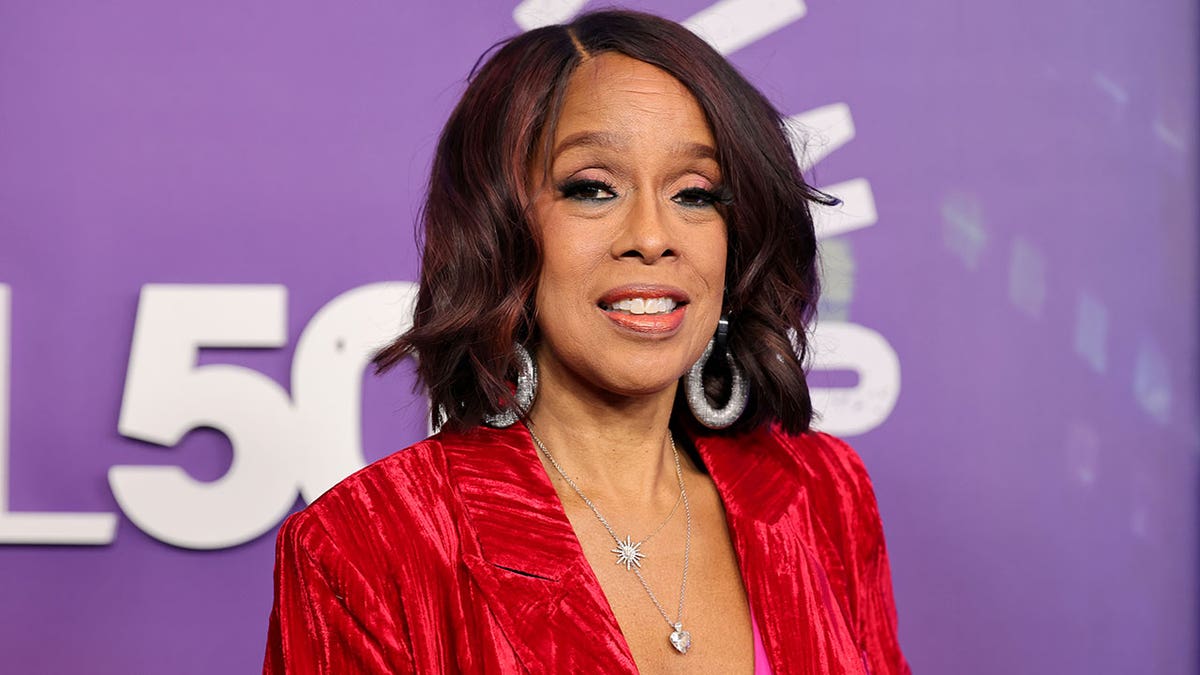
CBS Mornings co-host Gayle King was visibly surprised during an interview after learning the identity of the lone dissenting juror in the Lindsay Clancy trial—a Black man. Paula Devlin, one of the jurors in favor of finding Clancy not criminally responsible for strangling her three children, revealed this detail during the interview with King.
King expressed her shock, stating, “Whoa. I have to sit with that for just a second,” highlighting her unexpected reaction to the information shared.
On Friday, Juror Nick Dargie, 25, shared insights with ABC News regarding the lone juror’s approach. He recounted how the dissenting juror demonstrated Clancy’s alleged method of killing her children using an exercise band and water bottle. Dargie expressed disbelief, stating, “It didn’t make any sense to me. Like, we’re not in here to play detective or it’s not a game of Clue.” He questioned the juror’s actions, seeking clarification.
The jurors ranged in age from 22 to “70-ish,” according to Devlin. Judge William Sullivan declared a mistrial after the jury was unable to reach a unanimous verdict. The dissenting juror stood alone in voting to convict Clancy of first-degree murder for the deaths of her three children, 5-year-old Cora, 3-year-old Dawson, and 8-month-old Callan.
Dargie further explained difficulties encountered during deliberations. He noted that the holdout juror failed to provide any evidence or witness testimony supporting his stance. Despite repeated requests, the juror couldn’t justify his reasoning, leading the jury foreperson to send a note to the court about his refusal to adhere to instructions on reasonable doubt.
Curtis Houck, Managing Editor at NewsBusters, shared the clip on social media, bringing attention to King’s reaction. Houck commented on the host’s response, suggesting it reflected broader issues within American culture. He criticized the portrayal of the dissenting juror, implying the reaction was influenced by stereotypes and biases.
As the trial continues to attract media scrutiny, the case highlights societal tensions and raises questions about juror diversity and impartiality in the judicial process.