
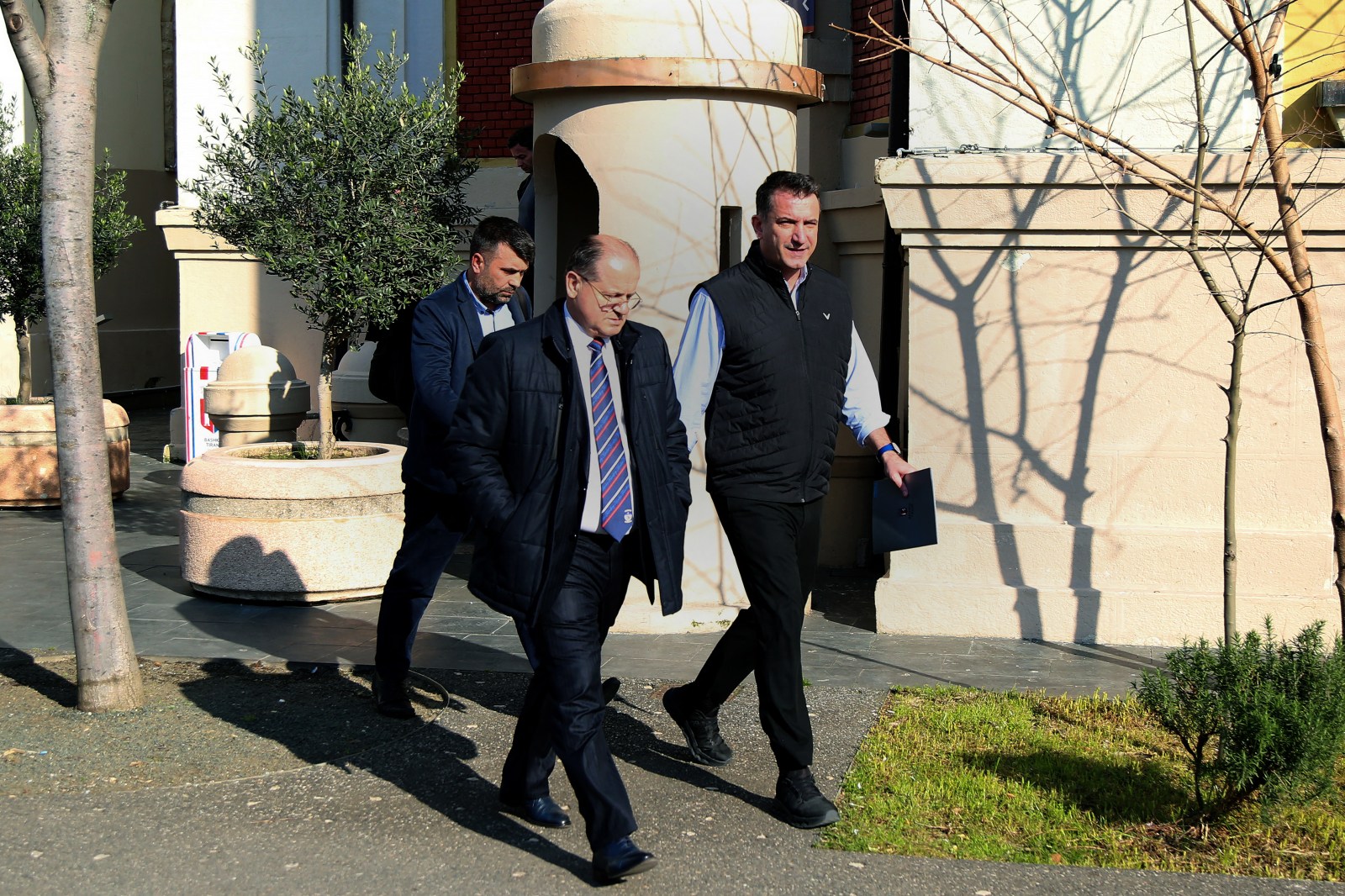
In February 2025, Erion Veliaj, the mayor of Tirana for three terms, was arrested by Albanian prosecutors. After 18 months, he remains in jail without any conviction. His detention continues to be extended, as courts in Albania debate its legality. Tirana, the capital of a NATO ally, is operating without its elected leader.
This situation is an example of ‘lawfare,’ where legal procedures are used to neutralize political adversaries. Although not exclusive to the United States, Albania presents one of the most striking cases. What makes Albania’s situation distinctive is that the prosecutors involved belong to SPAK, the Special Structure against Corruption and Organized Crime, which was established in 2016 with support from the U.S. and Europe.
The judicial reform aimed to combat corruption, foster public trust, and advance towards European Union membership. Yet, the current outcomes complicate the narrative. Representative Keith Self from Texas noted that Albania’s judicial backlog swelled from about 16,000 to around 200,000 cases. Citizens can endure 15-year waits for final rulings. Over half of the prison population is awaiting trial, one of Europe’s highest rates. The European Convention on Human Rights views pretrial detention as exceptional, requiring case-by-case justification, which contrasts with its standard use in Albania.
The Council of Europe’s Venice Commission examined the practice of detaining mayors before trial. It concluded that such actions, if leading to automatic suspension or replacement, undermine the presumption of innocence and political pluralism, depriving citizens of chosen representation. A detention order, not a conviction, is preventing Tirana’s mayor from fulfilling his role.
Prosecutors must seek out wrongdoing, but they remain bound to legal standards. Maintaining the integrity of anti-corruption efforts requires adherence to due process. Holding an individual without a verdict for so long falls short of these standards. Albania’s Constitutional Court has twice ruled in the mayor’s favor, defending his mandate and prompting a review of his detention’s justification.
The use of legal systems as political tools is not unique to Albania. Other countries face similar scenarios, such as Israel with Prime Minister Benjamin Netanyahu and Argentina with President Javier Milei. Each case presents its own circumstances, but the trend raises global concerns, as criminal charges often target elected leaders.
The West has a vested interest in Albania, having influenced SPAK’s creation. The prolonged detention of an elected mayor without conviction undermines the principle of the rule of law, giving ammunition to critics who accuse the West of selective morality. There are economic implications as well, with investors wary of Albania due to enduring corruption and unpredictable regulations.
Albania is not compelled to choose between rooting out corruption and upholding the rule of law. Successful nations achieve both, understanding their interdependency. The country initially aimed to remove unchecked power from the corrupt, but now the power resides within the prosecutor’s office. Albania needs to fulfill its reform goals, ensuring even corruption fighters adhere to the law.