
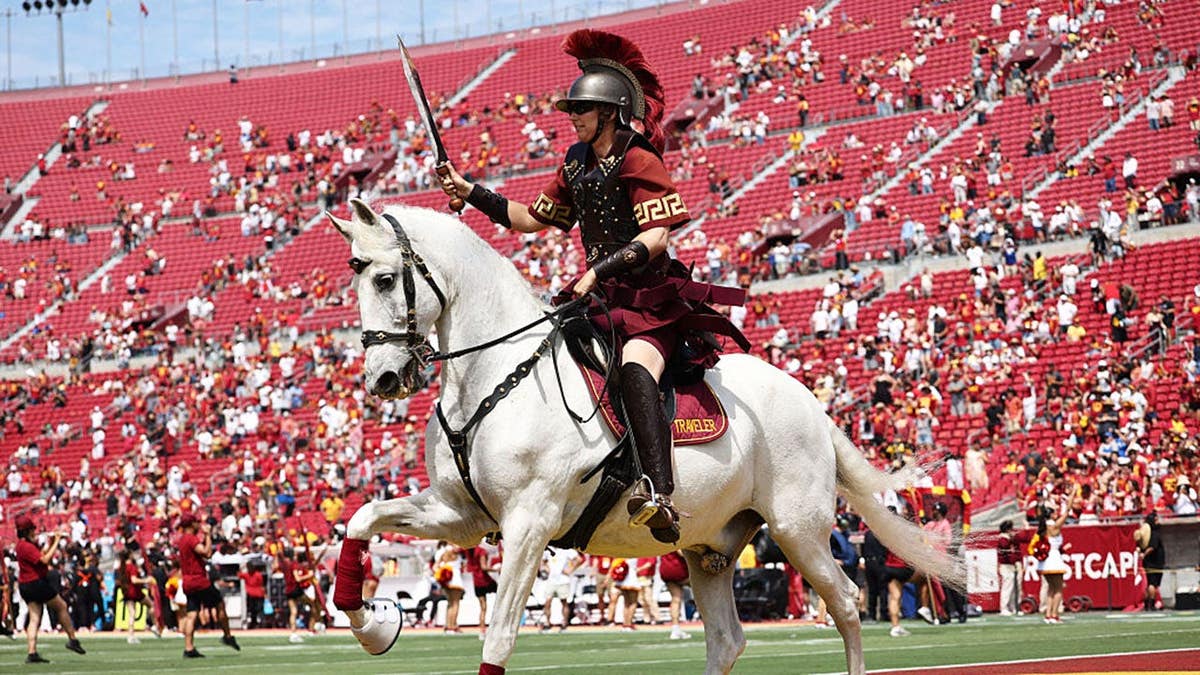
In the early weeks of the college football season, weather conditions have unexpectedly taken center stage. During a Week 0 matchup between the USC Trojans and San Jose State at the Los Angeles Memorial Coliseum, the extreme heat and humidity impacted attendance. Remnants of a tropical storm had led to a sweltering heat index of 105 degrees, discouraging fans from attending the game.
The weather difficulties extended into Week 1, affecting teams like South Carolina and the Texas Longhorns. Afternoon games in Texas saw fans seeking shade under stadium concourses as many dealt with heat-related health issues. This situation has fueled discussions about the timing of games in hot climates, particularly in August or early September.
Notably, Iliana Limon Romero, LA Times assistant managing editor and sports editor, stirred controversy by suggesting that game schedules should adapt to climate change. She argued that expecting fans to endure extreme heat to support their teams was unreasonable.
TV networks often prioritize their preferred broadcast slots over the realities of local weather conditions. Games played in Texas or South Carolina during midday in late summer inevitably present risks. Night games could offer a solution, reducing the potential for heat-related issues among fans.
Critics argue that blaming climate change for typical summer heat in places like Austin, Texas, is unfounded. The average high during this time in Austin typically ranges from 95 to 97 degrees. Although temperatures were slightly higher, they remain consistent with historical norms for early September.
The debate highlights differing views on climate change and its impacts on regional weather patterns. While scheduling adjustments may alleviate some concerns, attributing standard weather patterns explicitly to climate change requires cautious consideration.