
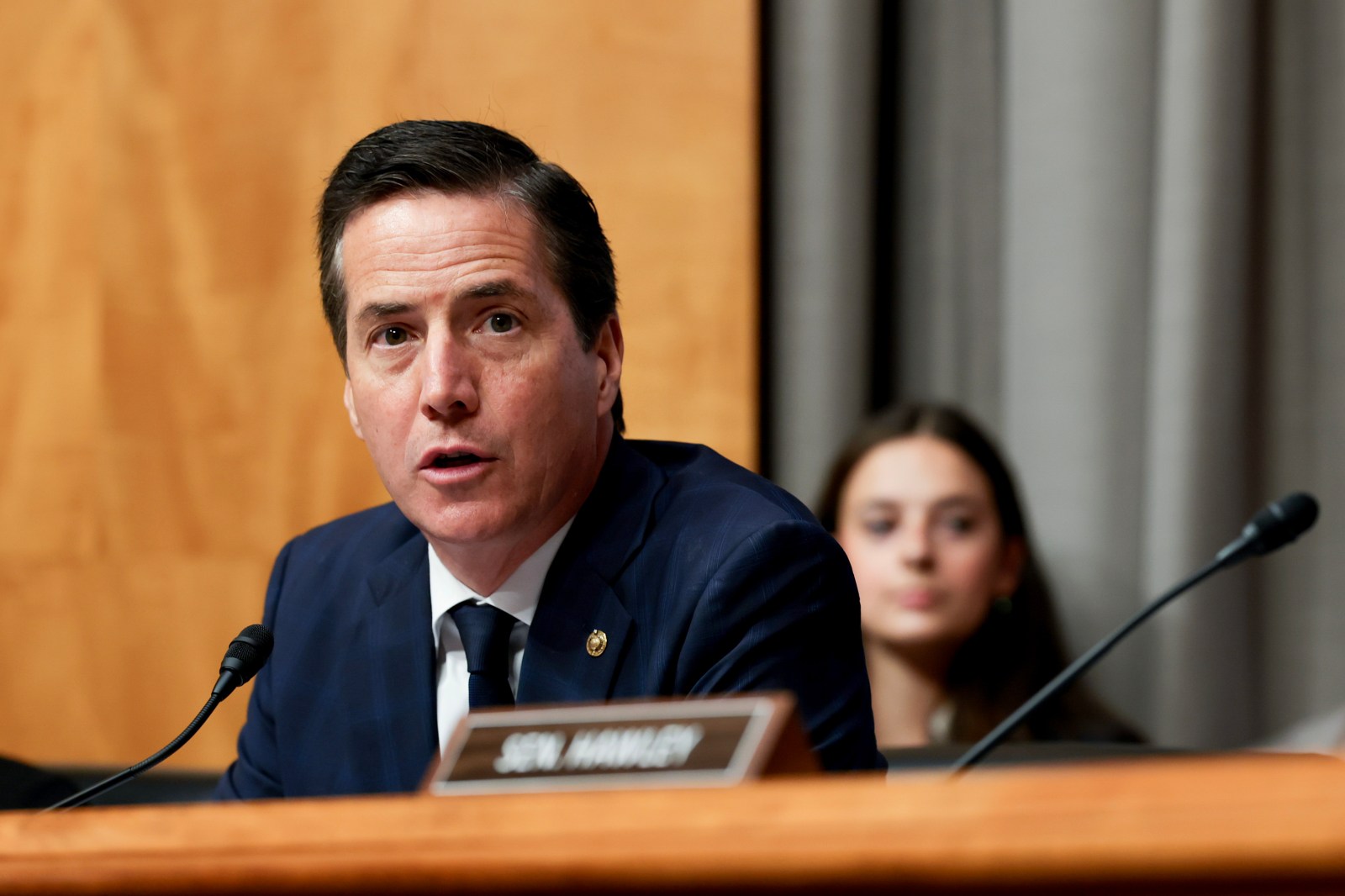
A significant shift is occurring among Republican lawmakers as some show willingness to raise taxes on higher earners to bolster Social Security. The impending insolvency of the program has prompted this departure from the GOP’s traditional stance against tax increases.
Projections indicate that Social Security trust funds could be depleted by the early 2030s. Without congressional intervention, automatic benefit reductions may ensue. Kevin Thompson, CEO of 9i Capital Group, stated that retirees oppose benefit cuts. Thus, the working public might bear more financial burden amid rising living costs.
Importance of Social Security
Social Security is crucial, providing retirement, survivor, and disability benefits to millions of Americans. It serves as the primary income source for many retirees. The debate over its funding has significant political ramifications. Republicans traditionally resist tax hikes, while Democrats often support them to strengthen Social Security.
Bipartisan agreement on new revenue options could transform congressional discussions on the program’s future. Recently, several Republican lawmakers have voiced support for increasing the Social Security payroll tax cap. Currently, only earnings up to $184,500 are taxed for Social Security.
Proposals to Address the Issue
Senator Bernie Moreno of Ohio and Senator Elizabeth Warren of Massachusetts have proposed raising or eliminating the cap. This would require higher-income workers to pay Social Security taxes on a larger portion of their earnings. They argue that wealthy individuals should contribute the same percentage of their income as factory workers.
Representative Tom Cole, Chairman of the House Appropriations Committee, has expressed openness to additional payroll tax revenue for Social Security’s financial challenges. He stated the need to consider altering the current income level and tax rate.
The program faces difficulties due to demographic shifts. Baby boomer retirements, increased life expectancies, and lower birth rates are impacting the balance between contributors and beneficiaries. Payroll tax collections once exceeded benefits, building trust fund reserves. Now, the dynamics have shifted.
Financial literacy instructor Alex Beene noted the urgency for Congress to act to avoid significant retirement benefit reductions. Trustee projections suggest depletion of the retirement trust fund by 2032 if no action is taken. Even with ongoing payroll tax revenue, it will not fully cover scheduled benefits, potentially leading to automatic reductions of 20% or more.
Discussion on Tax Increase
The main proposal attracting attention is to raise or remove the payroll tax cap. Workers and employers each pay a 6.2% payroll tax on wages up to the annual maximum, benefiting high-income contributors. Raising the cap would mean higher earners pay taxes on all wages, generating substantial revenue without cutting benefits. Critics warn it may discourage investment and job creation.
Thompson indicated Republican support could grow as deadlines for Social Security reform approach. Lawmakers face the alternative of cutting benefits, which is undesirable politically.
Various alternatives are under consideration:
- Raising the Social Security payroll tax rate
- Increasing the retirement age for future beneficiaries
- Reducing benefits for higher-income retirees
- Changing benefit formulas
- Expanding Social Security benefit taxation
- Combining tax increases with targeted spending cuts
Financial experts foresee multiple reforms being necessary. Raising the payroll-tax cap asks higher income earners to contribute more, challenging longstanding Republican views on tax increases.
Beene stated, “More Republicans might discuss additional revenue to save the federal government’s most popular program.”
The Tax Foundation proposes broadening the payroll tax base by taxing employer-sponsored health insurance.
Next Steps
There is growing bipartisan interest in raising payroll tax revenue. This could impact future congressional debates over Social Security reforms, although political challenges remain.
Thompson commented, “Higher taxes on workers have historically been easier politically than cutting benefits.” Despite potential unpopularity, higher taxation may be needed to close funding gaps.