
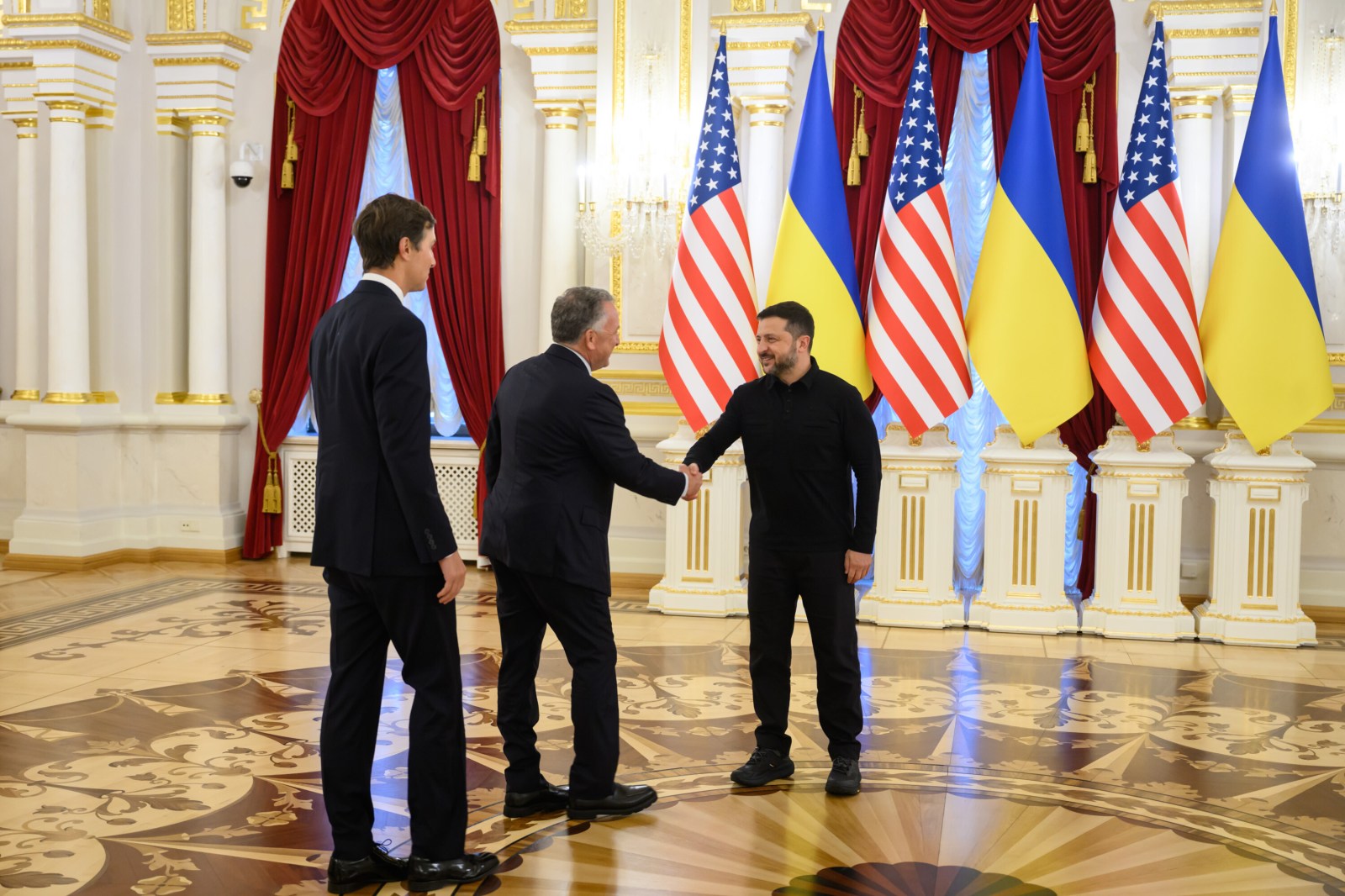
Steve Witkoff and Jared Kushner recently visited the Kremlin for talks with Vladimir Putin regarding the ongoing conflict in Ukraine. During the meeting, Witkoff expressed gratitude for the reception, highlighting the potential stories and memories from these interactions once they retire. Witkoff’s approach, laden with flattery, may seem inappropriate given the severity of the situation, but it aims to facilitate diplomatic progress.
Slow Diplomatic Progress
The visit did not result in significant advancements toward a peace agreement. Witkoff and Kushner spent three hours at the Kremlin, followed by discussions in Kyiv. Despite little movement toward peace, their visit brought some temporary relief to war-weary Ukrainians. Putin ordered a temporary halt to strikes on Kyiv, while Ukraine agreed not to attack Moscow for three days during the visit. This agreement provided brief respite for the local population.
Zelensky thanked Witkoff and Kushner, noting their presence temporarily prevented air strikes more effectively than the defense systems Ukraine relies on.
Ukraine faces ongoing challenges from Russian assaults, with increasing reliance on air defense systems. Ukrainian Air Force spokesman Yurii Ihnat reported a significant rise in Russian drone attacks, with only 60% intercepted successfully. Despite this, Kyiv also pursues diplomatic avenues to curb Russian aggression.
Challenges in Diplomatic Strategy
Witkoff’s diplomatic efforts, though well-intentioned, may not drastically change Russia’s stance. Putin’s aide Yuri Ushakov described the talks as frank but indicated no shift in Russia’s military objectives. Putin reiterated demands for Ukraine to withdraw from key regions, accept neutrality, and recognize Russia’s territorial claims.
Witkoff and Kushner face limitations in their diplomatic roles, acting mainly as intermediaries between Moscow and Kyiv. Kushner acknowledged the challenge in maintaining effective communication between the two sides to avoid misinterpretations.
Potential for Ceasefires
While substantial peace remains elusive, recurring diplomatic visits can yield temporary ceasefires, offering some relief. Establishing a pattern of short-term pauses in hostilities creates potential for future negotiations, allowing for incremental progress.
Despite the challenges, increasing occurrences of brief ceasefires could lead to establishing expectations for self-restraint. A greater frequency of such pauses might not equate to lasting peace, but it provides more groundwork for building trust than treating every pause as an anomaly.
If Witkoff’s approach can extend periods of ceasefire, it may not be welcomed by all, yet the potential benefits make it worthwhile.