
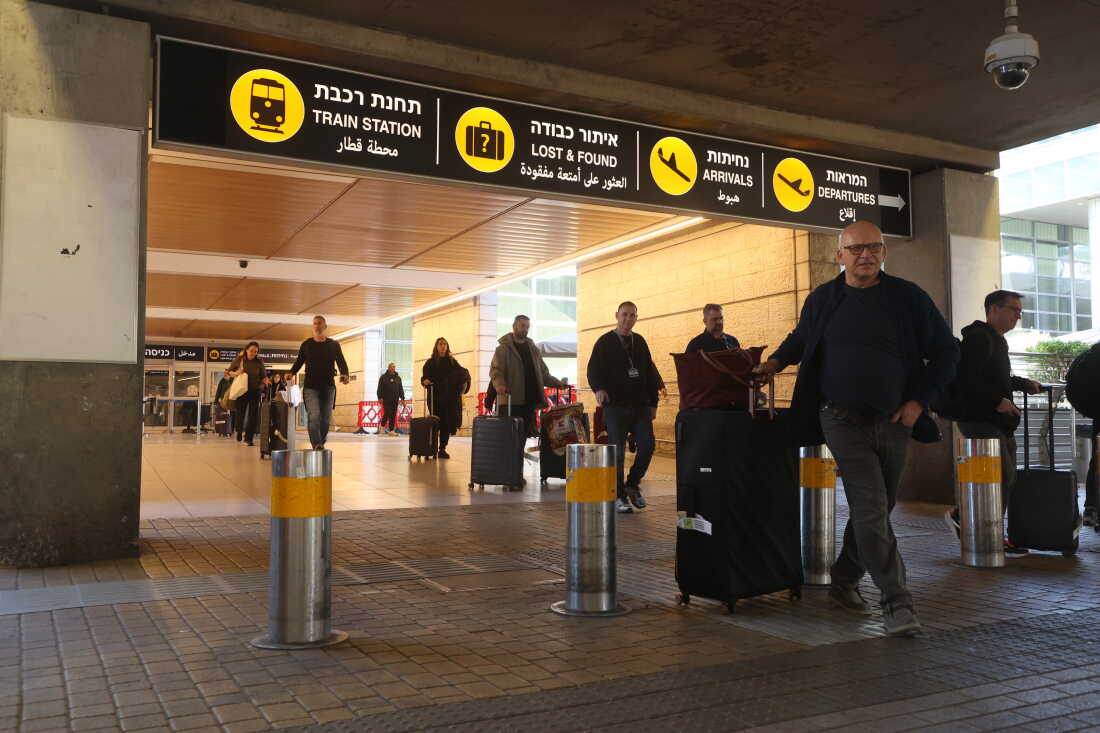
The introduction of strict entry policies at Israel’s borders is causing concerns among international travelers, particularly those from the U.S. Accusations regarding connections to Palestinians or plans to visit the occupied West Bank are increasingly resulting in entry denials, according to lawyers representing affected individuals.
Increase in Entry Denials
Statistics show a sharp rise in entry denials over the past year. In August, various international groups, including comedians and multifaith delegations, faced entry refusals for reasons not previously considered valid.
Comedy Festival Ban
A group of comedians invited to the Palestine Comedy Festival was denied entry to Israel, forcing them to perform virtually from abroad. This marked a significant departure from prior years when international participants attended in person.
Multifaith Delegation
The entry denial affected a U.S. multifaith group intending to tour the Israeli-occupied West Bank and Jerusalem. Their rejection after an intense interrogation exemplifies this growing trend.
Legal and Government Responses
Israel’s Interior Ministry maintains uniform travel rules, denying allegations of systematic entry bans. Meanwhile, the U.S. State Department defends such actions as part of Israel’s security measures.
Legislative Changes
Recent Israeli laws increase scrutiny on visitors denying historical attacks or advocating for international prosecution of Israeli soldiers. These changes align with broader policies restricting entry based on visitor opinions.
Reactions from Denied Groups
The comedians and multifaith delegation express concern over their treatment and the implications of such restrictions. They view these actions as attempts to isolate Palestinians from international perspectives.
As Israel continues to enact stringent entry policies, these cases highlight the complex interplay between border security and individual freedoms. The international community watches closely, advocating for equal treatment across all nationalities.