
For the 25th anniversary of the September 11th attacks, Newsweek is presenting a day-by-day account of the events leading to the tragic day. Interested readers can subscribe to become a Newsweek Member for daily updates.
August 31, 2001: President George W. Bush returned to Washington, D.C. after a month-long vacation in Crawford, Texas. Upon his return, CIA Director George Tenet resumed the morning intelligence briefings with the President and Vice President Dick Cheney at the White House.
On August 31, during his first meeting with Bush and Cheney, Tenet did not mention Zacarias Moussaoui’s arrest. According to the 9/11 Commission, there were no discussions about domestic terrorism threats with the President in the following days.
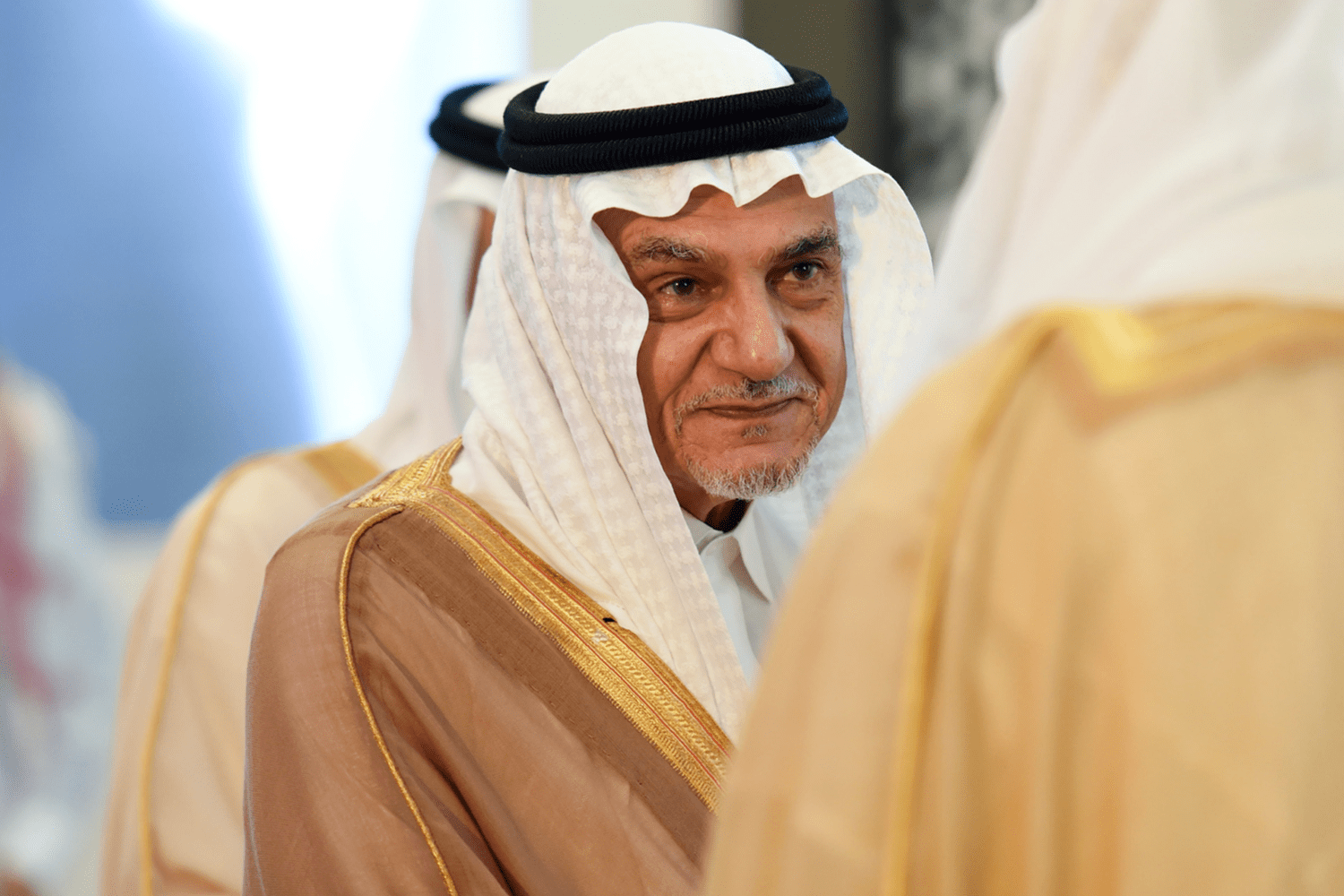
The day’s classified news was dominated by Saudi Prince Turki bin Faisal al-Saud’s resignation. Prince Turki had led the Al Mukhabarat Al A’amah, Saudi Arabia’s external intelligence service, for 23 years. His unanticipated resignation was surprising, especially as his term had been extended recently in May.
“If this guy is let go, two years from now he will be talking to a control tower while aiming a 747 at the White House,” an agent warned 12 days before 9/11.
There were tensions between Prince Turki and Crown Prince Abdullah, who had taken over rule following King Fahd’s debilitating stroke in 1995. Though the resignation was not immediately tied to terrorism issues, Abdullah’s discontent over Turki’s handling of such matters and his inability to control Osama bin Laden seems to be a factor.
Prince Turki maintained close ties with the CIA. He supported the Afghan resistance against the 1979 Soviet invasion, particularly in Saudi financial backing of Arab fighters. Over a decade, Saudi Arabia managed these fighters, most of whom sought the prestige of participating in jihad.
Turki served as the primary liaison to a young Osama bin Laden, who became the leader of Arab fighters and mediated Saudi support. Some believe Turki and bin Laden agreed that al-Qaeda would not attack domestic Saudi targets in exchange for government support or indifference.
Following the U.S. attacks in Saudi Arabia during the 1990s, U.S. intelligence found Saudi cooperation in investigations lacking. Prince Turki was uncooperative on matters of terrorist financing, especially concerning an al-Qaeda financial officer who defected back to Saudi Arabia. Despite tensions after 9/11, the U.S. did not threaten Saudi Arabia as it did Pakistan.
Coming Up: Assessments by Clinton-era officials emphasized collaboration with warlord Ahmed Shah Massoud and his anti-Taliban Northern Alliance.