
Michigan Democrats are set to meet in Lansing to hold their 2026 state nominating convention amid tensions over antisemitic hostility and debate regarding U.S. support for Israel. Attorney General Dana Nessel, a Jewish Democrat, announced she will not attend due to concerns about her safety. This decision followed previous incidents where anti-Israel activists disrupted pro-Israel speakers at a past convention.
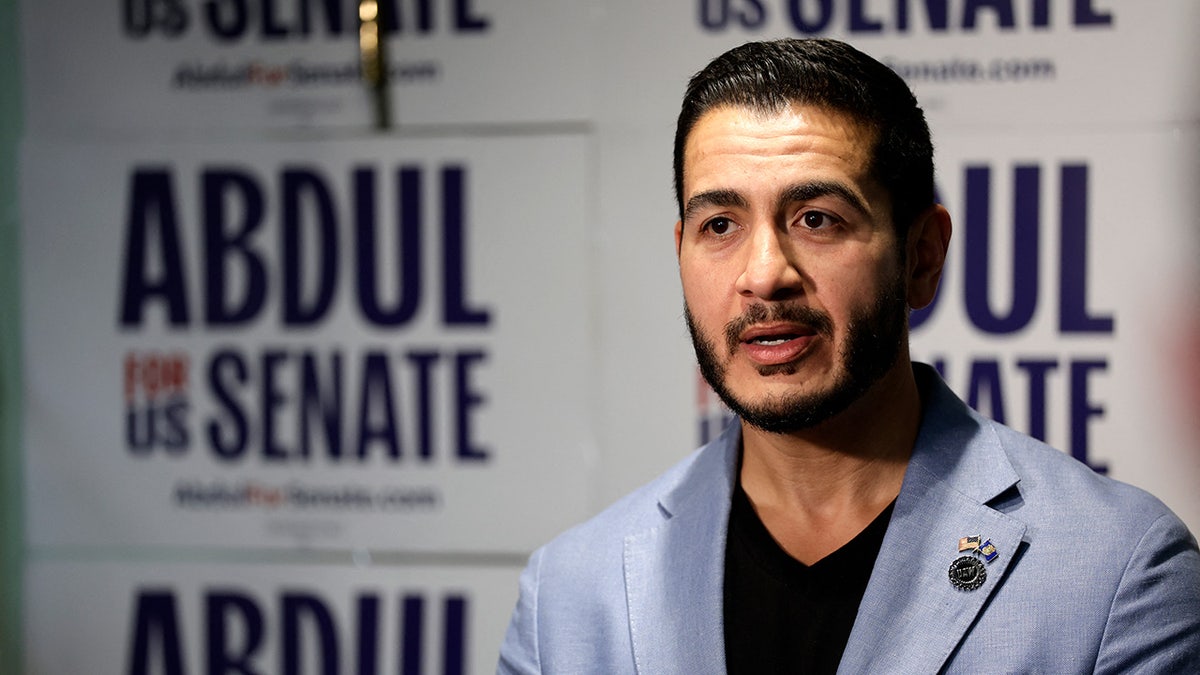
The convention takes place as more Democrats advocate reducing military aid to Israel due to the ongoing conflict with Hamas in Gaza. Abdul El-Sayed narrowly defeated Haley Stevens for the Democratic Senate nomination and is a critic of Israel’s military actions. He labeled these actions as ‘genocide’ during the contentious nomination race.
“I don’t feel safe going,” Nessel expressed last month. She fears harassment and disruption akin to previous incidents.
The Michigan Democratic Party stated their commitment to providing a secure environment for all attendees. They rejected all forms of hate and are working diligently to ensure safety at the August convention.
Concerns persist among Jewish Democrats. Some fear the environment will be unfavorable, while others worry about antisemitism within the party. Rabbi Asher Lopatin expressed dismay at Nessel’s absence, highlighting extremist intimidation even toward state officials.
Former Rep. Mike Rogers, the Republican Senate nominee, responded by announcing support from Democrats troubled by internal conflict. He launched a ‘Dems for Mike’ coalition, appealing to Democrats estranged by party shifts.
Despite the division, others urge Jewish Democrats and independents to reconsider their support for El-Sayed. An open letter seeks endorsement for Rogers due to dissatisfaction with the party’s current direction.
“There are lifelong Democrats who feel the party has become anti-Jewish,” an anonymous respondent shared.
Rogers, in an interview, noted concerns among Jewish voters about violent rhetoric and fears for personal safety, which might influence election outcomes.
El-Sayed, aiming to be the first Muslim senator, has taken stances that frustrate some Jewish voters, particularly on Israel. He describes military actions in Gaza as ‘bloodthirsty’ and opposes unconditional military aid.
After securing the nomination, El-Sayed affirmed his solidarity with Jews and emphasized combating antisemitism. He advocates unity and resolving communal pain.