
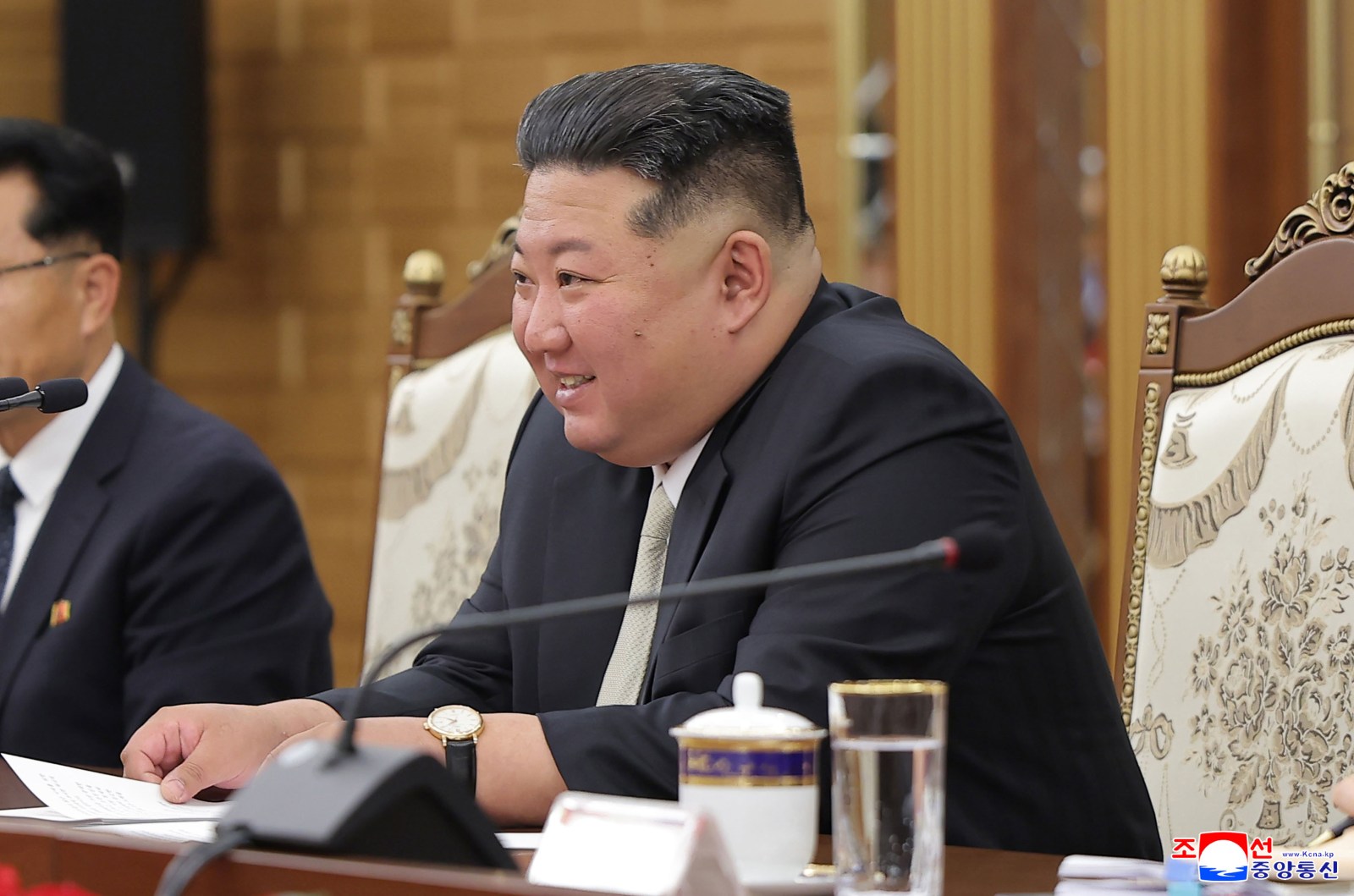
President Donald Trump aims to renew his engagement with Kim Jong Un, North Korea’s leader. However, America’s long-standing alliance with South Korea poses challenges. In an effort to engage Pyongyang, Trump reduced one military exercise with Seoul and canceled another. So far, Kim’s only response came through his sister, who shared her brother’s fond memories of Trump.
History reflects the complexity of this relationship. U.S. soldiers fought against North Korea in the Korean War. Trump’s outreach to Kim places South Korea in a difficult position with its primary ally. Recent posts on Truth Social highlight Trump’s desire for peace, even during a year marked by global conflicts.
The Trump Approach
Trump has developed a unique diplomatic style, managing to hold summits with leaders like Kim, Russian President Vladimir Putin, and China’s Xi Jinping. Initially, his approach to North Korea was confrontational, calling Kim a “madman.” Yet, by 2018, Trump spoke of a personal connection with Kim, citing their exchange of “beautiful letters.” Trump now often praises Kim’s leadership style, indicating mutual respect.
During the 2024 Republican National Convention, Trump expressed his belief in their continued rapport. He hints at future meetings but remains vague about Kim’s responses. Although North Korea is technologically advancing, the idea of letter exchanges remains noteworthy.
Kim’s Strategy
Kim, at 42, appears cautious in his response, seeing potential gain in Trump’s overtures. He seeks legitimacy, similar to how an influencer values visibility. Though North Korea faces UN sanctions, Trump’s recognition elevates Kim’s international standing.
While dealing with diplomatic strains in Iran and U.S. midterms, Kim remains patient. Previous summits bolstered his confidence, and North Korea’s nuclear arsenal has grown since 2019. North Korea strategically positions itself between Russia and China, expanding its influence.
Challenges for South Korea
South Korea and the U.S. have faced tensions over the past 18 months, bound by a mutual defense treaty since 1953. Over 23,000 U.S. troops are stationed in South Korea, acting as a deterrent against North Korea, reflecting America’s military commitment.
Despite being an important trade partner, South Korea was not exempt from Trump’s global tariffs. Trump’s public critique of South Korean President Lee Jae Myung over the Middle East conflict has strained ties. Pew Research Center data from August 24 indicate declining U.S. favorability among South Koreans, with only 21% believing the U.S. prioritizes interests beyond its own. Yet, 84% of South Koreans still regard the U.S. as their key ally.
In efforts to ease regional tensions, Lee ended propaganda broadcasts and suggested accepting North Korea’s nuclear status. He encouraged continued dialogue between Trump and Kim and called for a peace treaty with the North, although acceptance remains uncertain.
Potential Signals
Trump maintains that a good relationship with Kim is beneficial. Kim’s sister echoed this sentiment, stating their bond remains strong. Trump may see this as a chance to halt North Korea’s nuclear progress or curb arms sales to Russia.
The first Trump-Kim summit in Sentosa, Singapore, in 2018 happened due to North Korea reaching out through South Korea. Currently, communication between North and South Korea is stalled. Any future meetings between Trump and Kim would signal a shift, though South Korea might receive the news last.