
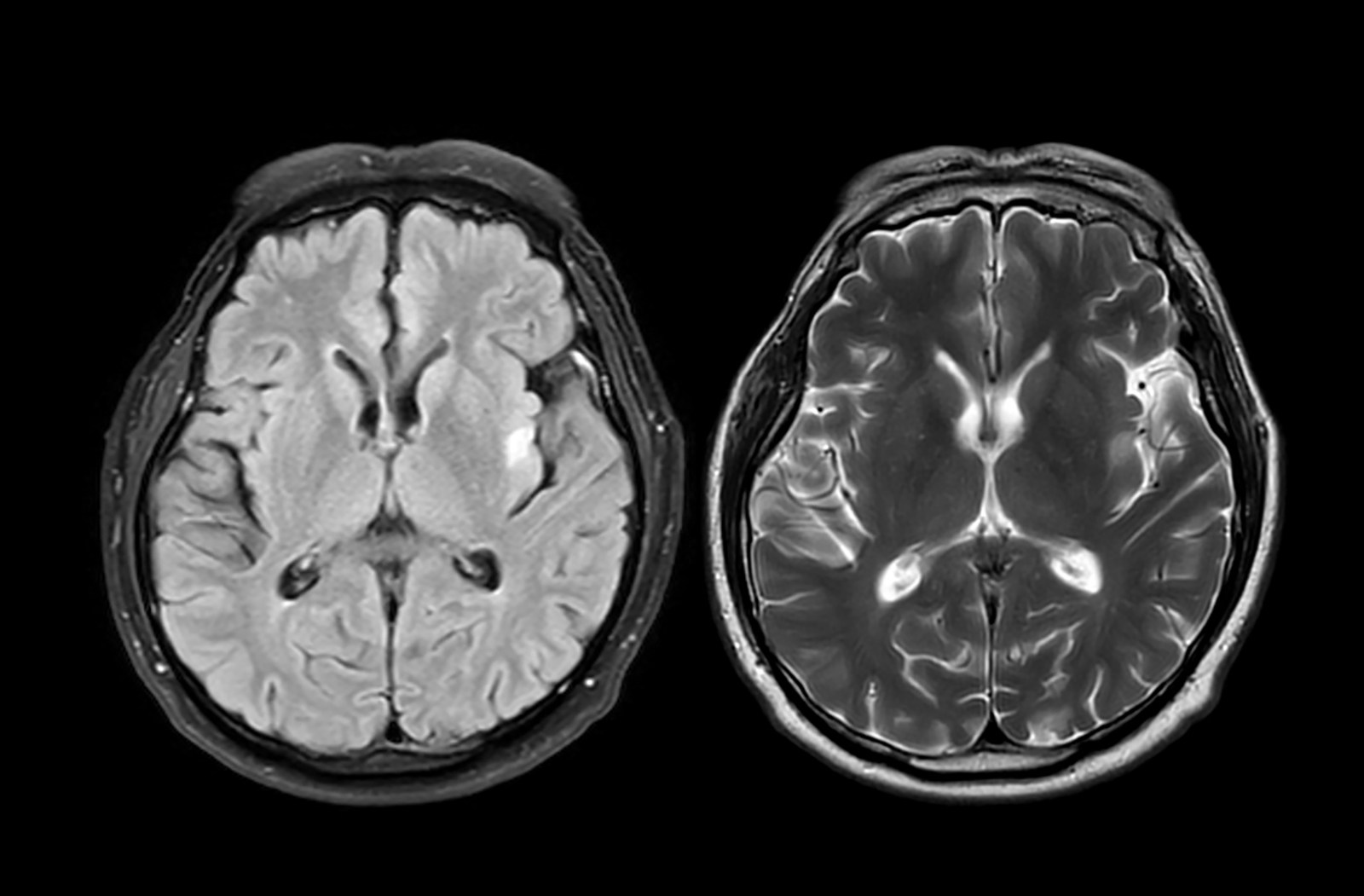
A brain scan tool measuring shrinkage in areas associated with thinking and memory may predict the rate of progression from mild cognitive impairment (MCI) to dementia in early-onset Alzheimer’s disease. This study offers new insights.
Understanding Early-Onset Alzheimer’s Disease
Early-onset Alzheimer’s appears before age 65. It starts with MCI, noticeable memory, and thinking issues, not severe enough to be dementia. Progression speeds differ among individuals.
Brain Atrophy Study
Researchers explored whether brain shrinkage patterns could anticipate progression speed. They developed a brain scan tool, the early-onset Alzheimer’s disease signature, focusing on atrophy in specific gray matter regions, including parts of the parietal and temporal cortex.
Using MRI, the tool measures these areas’ thickness, creating a single score for brain shrinkage.
Study Findings
The study involved 130 individuals with MCI, living independently, and 97 healthy individuals for comparison. Ages ranged from 40 to 64. Participants received MRI scans initially and at least one annual follow-up for an average of two years.
Within the study period, about 65% with early-onset Alzheimer’s advanced from MCI to dementia. Greater gray matter shrinkage correlated with faster progression. A one standard deviation increase in shrinkage raised MCI to dementia progression risk by 1.24 times.
This imaging biomarker predicted progression more accurately than initial symptom examination.
Qualitative Insights
Lead researcher Alexandra Touroutoglou from Harvard Medical School noted the frequent patient query: “When will I lose my independence?” Currently, limited options predict MCI progression to dementia in early-onset Alzheimer’s cases.
The study suggests the biomarker could serve as a timing tool, aiding doctors in estimating dementia onset and disease progression.
Dr. Ronald Schwartz from Continuum Health Services stated that predicting progression for early-onset Alzheimer’s, given its clinical variability, is challenging but that the tool could greatly enhance forecasting quality.
Potential Implications
The tool may help patients and families foresee future challenges and indicate when joining clinical trials might be advantageous. Schwartz emphasized that accurate forecasting supports better care planning and decision-making about work, finances, and support needs.
Researchers highlight the tool as a guideline enhanced with MRI, not a “crystal ball.” The biomarker maps brain regions that shrink more in early-onset Alzheimer’s than in those without it.
Still, it requires broader testing; the initial study involved mostly non-Hispanic White participants. It’s unclear how well it applies to diverse populations.
Future research should validate the tool’s accuracy across different scales and patient demographics, determining if it effectively improves care and decision-making.
These findings suggest MRI-based gray matter shrinkage measurements may aid enhanced understanding of Alzheimer’s progression, although comprehensive testing remains necessary.
Reference: Paranhos, T., et al. (2026). EOAD-Signature Atrophy Predicts Dementia in Early-Onset MCI due to Alzheimer Disease. Neurology. DOI: 10.1212/WNL.0000000000218519
Contact Newsweek editors: Kara Dolman and Emma Lee-Sang