
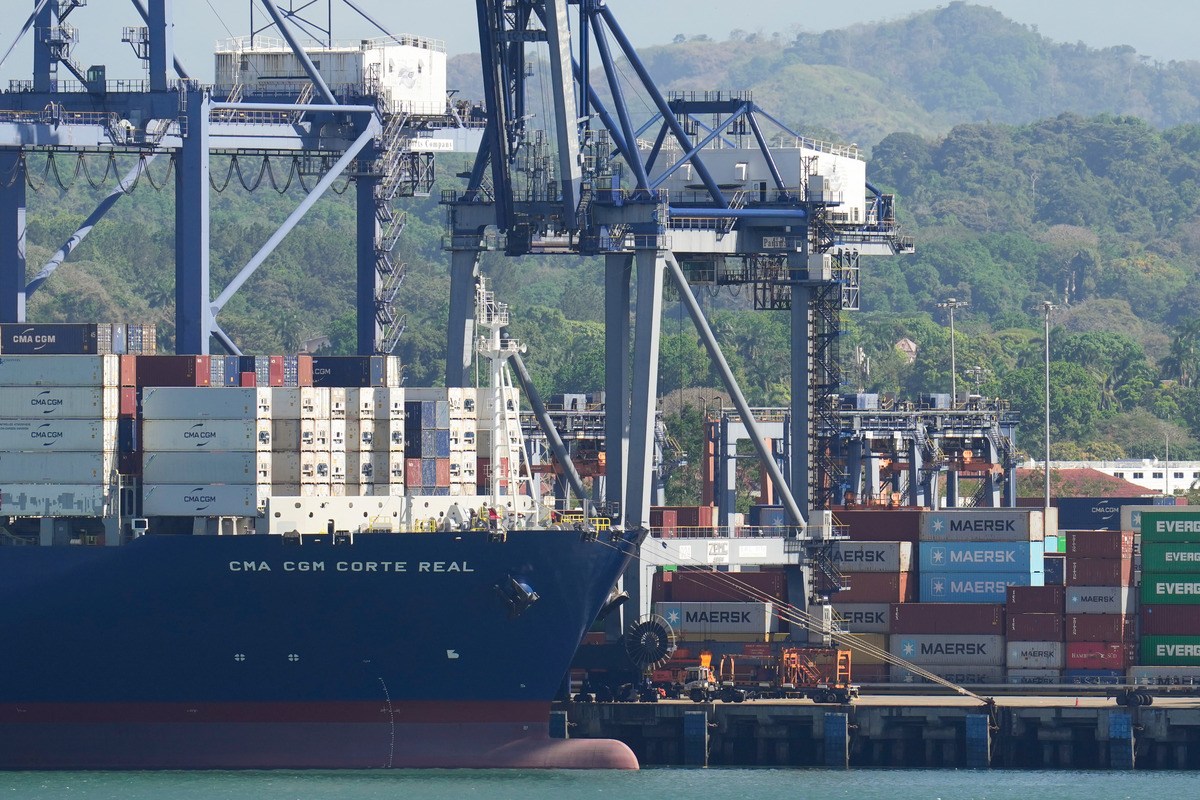
The Panama Canal, a crucial shipping route, anticipates fewer ships due to low rainfall associated with El Niño. Starting in mid-September, the Panama Canal Authority (PCA) will reduce daily transits from 36 to 32 ships. This decision follows a gradual decrease beginning September 3. Although the immediate effect on U.S. consumers might be limited, there’s a possibility that increased shipping costs could be transferred to customers.
Challenges in Global Shipping
Global shipping faces disruptions not only from environmental factors but also geopolitical tensions. The U.S.’s conflict with Iran has led to Tehran targeting cargo vessels and disrupting the Strait of Hormuz, as reported by Reuters. Additionally, Iran-allied Houthi rebels threaten maritime security in the Bab el-Mandeb Strait.
El Niño’s Broad Impact
El Niño affects regions differently. It has prompted significant drought in Central America while other areas anticipate flooding as the phenomenon intensifies into 2027. In June, U.S. scientists confirmed the onset of El Niño following the end of La Niña conditions.
El Niño Duration and Predictions
El Niño typically lasts nine months to a year, though it can extend longer. Occurring every two to seven years, its timing is irregular, according to the U.S. National Oceanic and Atmospheric Administration.
Significance of the Panama Canal
The 51-mile Panama Canal connects the Atlantic and Pacific Oceans, facilitating 5% of global shipping or around 1,000 ships per month. Annually, it handles about $270 billion in U.S. container traffic, representing two-fifths of the total. Nearly 75% of these ships travel to or from U.S. ports.
Challenges and Measures
Combining low water levels from droughts with geopolitical conflicts, shipping rates through major routes like the Panama Canal have surged. Some firms might reroute to the U.S.’s West Coast, similar to previous drought-related restrictions. In 2023, record-breaking dry conditions led to significant cutbacks in the number of daily transits.
The PCA continues to implement water-saving measures to mitigate drought impacts. Improvements include the 2016 expansion of the canal and Gatún Lake’s water capacity, essential for the canal’s operations.
Historical Context and Future Risks
The U.S. constructed the Panama Canal, maintaining control until 1999. Without ongoing improvements, the canal’s capacity may reduce by half by 2050, posing severe threats to global trade.