
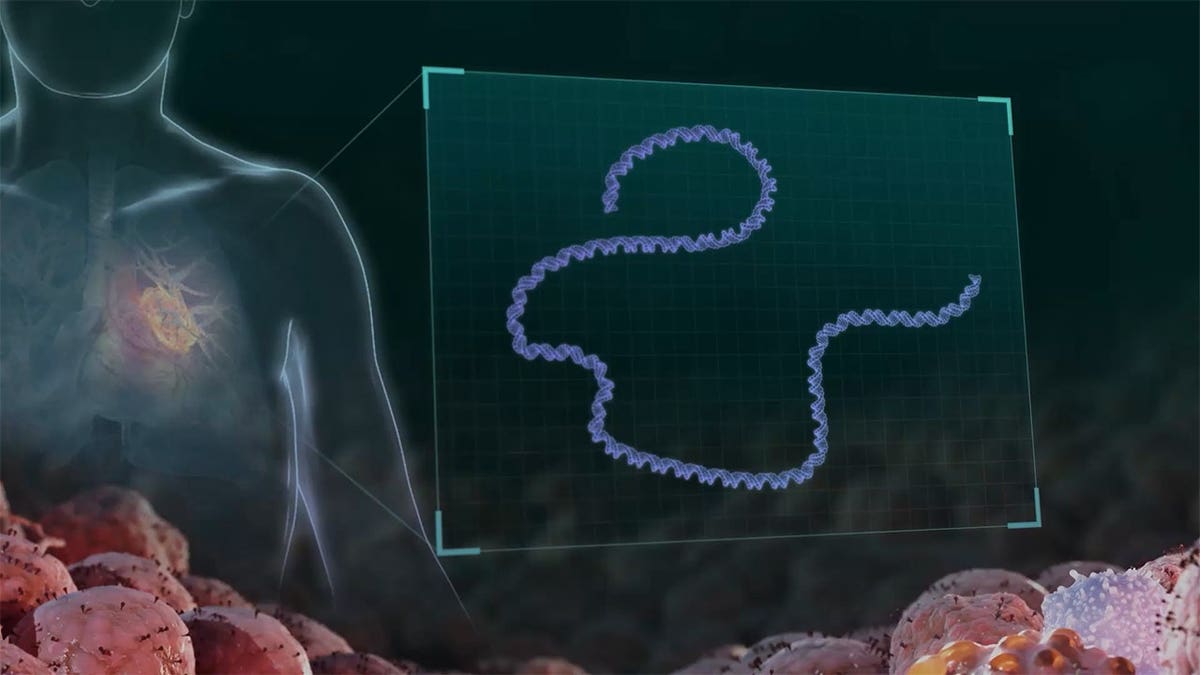
Merck and Moderna have announced promising results from a late-stage clinical trial involving an experimental skin cancer vaccine. This vaccine significantly reduced the risk of melanoma returning or spreading among patients. According to the companies, this is the first positive Phase 3 trial for an mRNA-based personalized cancer therapy.
Clinical Trial Details
The study, named INTerpath-001, involved 1,137 patients worldwide who had undergone surgery for high-risk melanoma, ranging from Stage IIB to Stage IV. Participants were randomly assigned to receive either Keytruda with the personalized vaccine or Keytruda with a placebo. The results demonstrated that those who received the vaccine had improved ‘recurrence-free survival,’ meaning the cancer was less likely to come back. The vaccine also improved ‘distant metastasis-free survival,’ indicating a reduced risk of the cancer spreading to distant parts of the body.
Innovative Approach
The personalized mRNA vaccine works differently from traditional vaccines, which focus on external viruses. This therapeutic vaccine is administered post-surgery to train the body to target remaining cancer cells. After tumor removal, doctors analyze the cancerous and healthy tissues to select up to 34 neoantigens for encoding in the treatment. The individualized approach targets tumor-specific cells, enhancing the immune response against the cancer.
This represents almost individualized immunotherapy, identifying specific issues in a particular patient.– Dr. Murad Alam, Northwestern Medicine
Role of Artificial Intelligence
AI plays a crucial role in selecting the antigens for the vaccine, streamlining the process of creating personalized treatments. This technology reduces the time and resources needed to tailor a vaccine for each patient.
AI enables the efficient creation of a vaccine for individuals, allowing for targeted and precise treatment.
Next Steps and Future Plans
Following the successful trial, Merck and Moderna plan to discuss regulatory submissions with authorities globally, including the U.S. Food and Drug Administration. They are also exploring the vaccine technology for other difficult-to-treat cancers such as lung, bladder, and kidney cancers.
While results are significant, further data is needed to determine how long patients remain cancer-free and if the treatment extends overall survival. The recurrence-free survival outcomes were based on investigator assessments, not an independent review. The study focused on patients with specific melanoma stages, which might not represent other cancer types or stages.
Merck reported that treatment side effects mirrored those seen in earlier studies, with no new safety concerns. The targeted nature of the vaccine results in milder side effects, such as fatigue or chills, compared to conventional cancer treatments.
Khloe Quill is a lifestyle writer with Fox News Digital, covering topics such as health, travel, and more.