
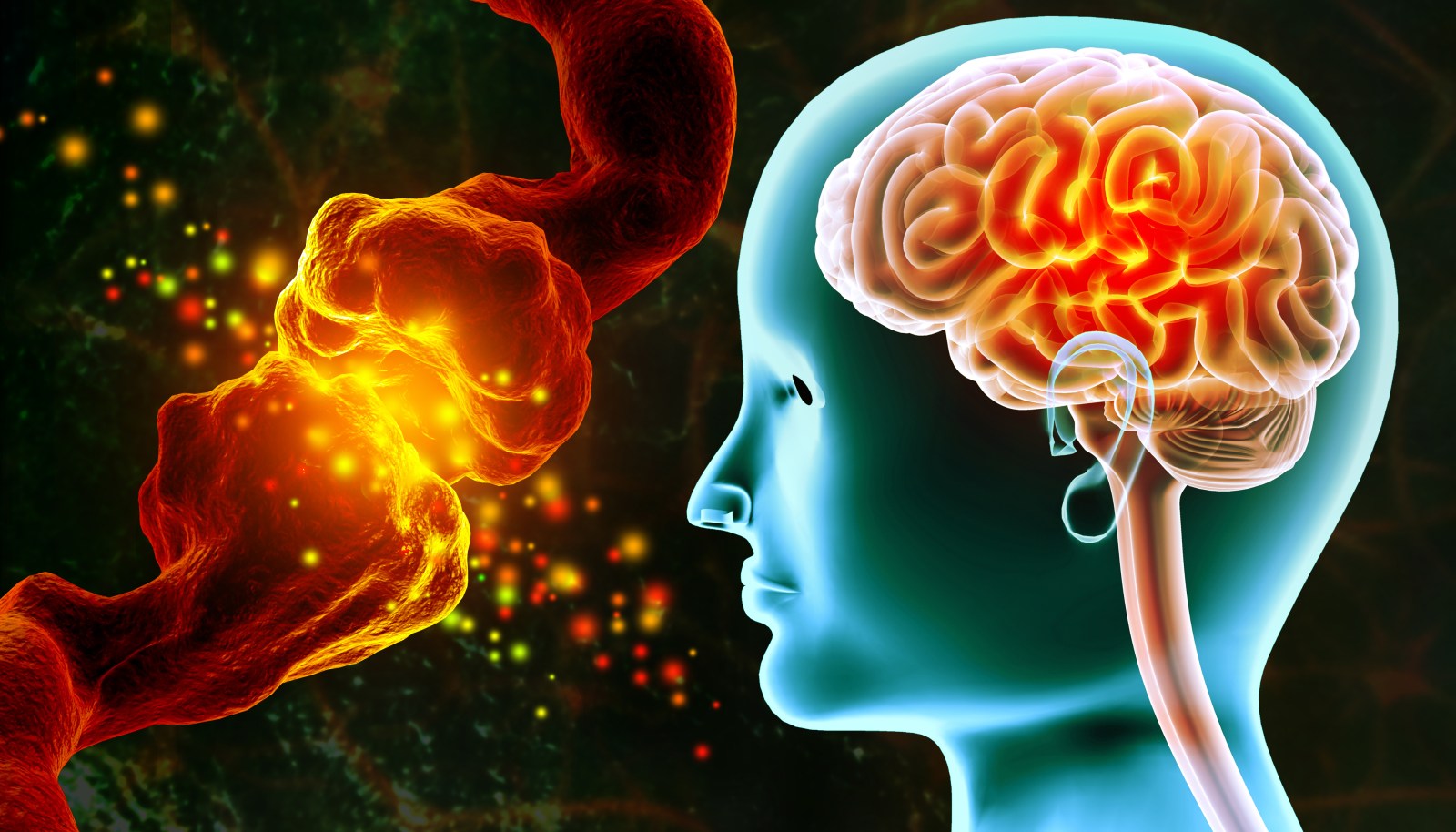
A recent study suggests that a measure of brain age from MRI scans may predict dementia risk earlier than current methods. Memory clinics traditionally use visual rating scales to assess brain atrophy, but these scales often miss subtle changes indicative of early-stage dementia.
Dementia encompasses various brain-affecting diseases, including Alzheimer’s, and impairs memory, thinking, and daily activity. According to the World Health Organization, 57 million people globally lived with dementia in 2021. Early symptoms involve memory lapses, disorientation, difficulty in conversation, and mood changes. The disease progresses until patients struggle with recognition, mobility, eating, and bowel control.
Recent research highlights brain age mismatch on MRI scans as a potential predictor for dementia. This method might identify risk years before visible symptoms appear. Stefan De Vries remarked on brain MRI’s role in revealing insights beyond current visual assessments for individuals with subjective cognitive decline, though not significantly so for mild cognitive impairment.
The Amsterdam UMC team reviewed data from 2002 to 2024, employing AI-based algorithms to estimate brain age versus actual age, defining mismatch as brain-PAD. Their findings show that each additional year a brain appears older increases dementia risk by 6%. Early identification allows doctors to strategize patient care, traditionally focusing on brain shrinkage detection through MRI.
The study utilized records from the Alzheimer Center at Amsterdam UMC across 22 years, examining 412 patients with subjective cognitive decline (SCD) and 387 with mild cognitive impairment (MCI). They assessed structural MRI scans, cognitive test scores, and traditional visual ratings, employing AI to compute brain age differences.
Results indicated that a brain appearing considerably older signals future dementia development. Conversely, SCD patients with brains looking more than 2.6 years younger had up to a 99% chance of avoiding dementia over the next 2 to 10 years. However, calculating brain age for MCI patients yielded limited new insights compared to existing MRI ratings.
Further research is required to validate the approach clinically. Researchers hope it complements existing methods to identify individuals at increased dementia risk. De Vries mentioned ongoing studies exploring AI to enhance radiologist support and diagnostic accuracy in memory clinic scenarios.
Reference: Stefan De Vries et al., “Comparison of Brain Age With Standard MRI Assessment for Dementia Risk Stratification in Subjective and Mild Cognitive Impairment,” Neurology (2026). DOI: 10.1212/wnl.0000000000218418.