
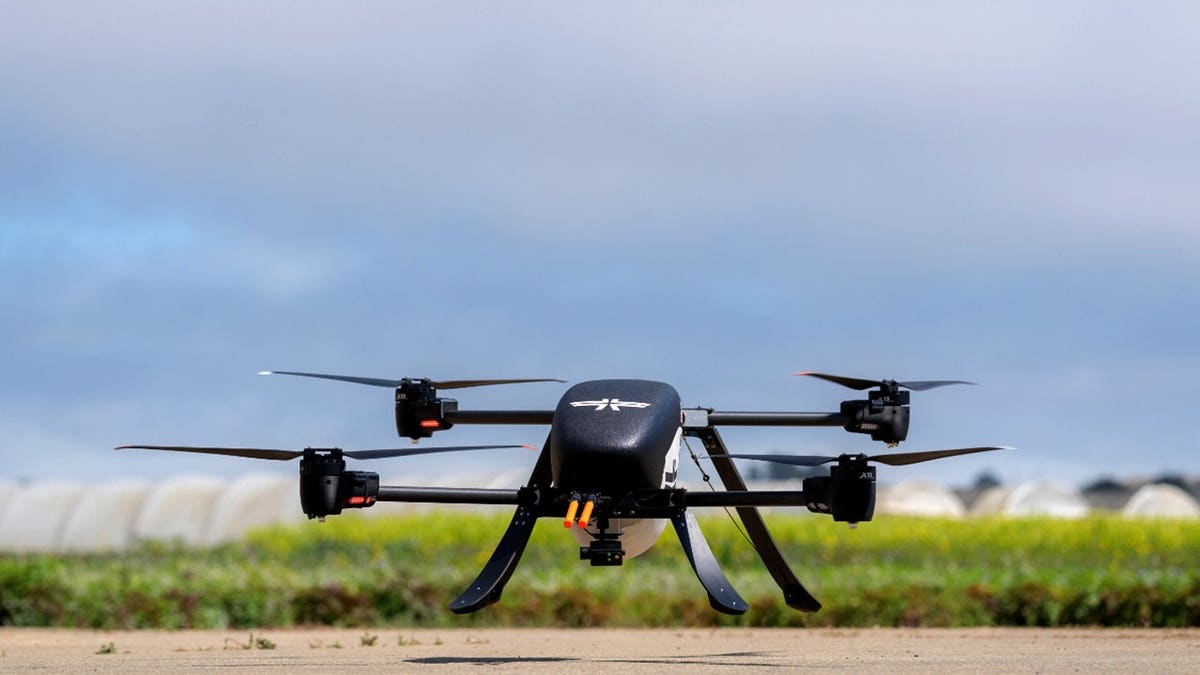
Wildfires can gain a quick advantage by spreading swiftly, especially in remote areas. A small ignition can grow rapidly before firefighters arrive. Autonomous firefighting drones are emerging as a potential solution to reduce response time.
AI Firefighting Drones Tested by CAL FIRE
CAL FIRE tested Seneca’s autonomous drones in California. Simultaneously, the XPRIZE Wildfire competition conducted trials in Alaska. The main objective is early fire detection and suppression while the fire remains small.
Human-caused warming is a factor in larger, severe wildfires. NOAA highlights that these conditions contribute to extended wildfire seasons. Testing reveals the workings of these firefighting drones and potential areas for deployment.
Addressing the Firefighter Shortage
Autonomous drones aim to address the firefighter shortage by reaching remote areas before traditional crews or aircraft. CAL FIRE’s collaboration with FireWERX evaluated these capabilities in field tests.
Onboard sensors, AI, and computer vision are utilized by Seneca’s drones. They deliver aerated Class A foam to targeted areas. With four to six drones, they can deploy up to 1,000 pounds of suppression capacity, though payload measures differ.
Deployment and Function of Firefighting Drones
Seneca’s drones provide rapid response, especially in areas difficult for ground crews to access. Though smaller drones can’t match large airtankers, they serve vital roles like early attack and nighttime operations.
San Bernardino County Fire tested Seneca’s system, highlighting semi-autonomous capabilities and thermal tracking. These systems are operated under human supervision despite autonomy in flight and targeting.
Independent Firefighting Systems
The XPRIZE competition in Alaska challenged teams to detect and suppress fires autonomously. German company Dryad Networks showcased its Silvaguard system, which uses solar-powered sensors for early fire detection.
Dryad’s suppression drone carries up to 100 liters of suppressant. Their system successfully detected and extinguished a fire in under 12 minutes during a demonstration without human intervention.
Future Deployments and Challenges
Real-world operations require extensive testing compared to controlled environments. The Aspen Fire Protection District plans to incorporate Seneca’s drones, with a multi-year agreement for deployment.
Training on the aircraft is necessary before operational use. CAL FIRE collaborates with programs using AI and satellites for early detection, potentially complementing drone usage.
Conclusion and Implications
If you live in a wildfire-prone area, these drones offer hope for early intervention. However, they have limitations including smaller payloads and dependency on environmental conditions.
Autonomous technology is transitioning from testing to real operations; official alerts and evacuation plans remain essential. Drones could buy precious time by addressing remote ignitions before they escalate.
The integration of drones with firefighting strategies focuses on vital initial minutes. They support traditional methods without replacing them, offering a strategic advantage when resources are scarce.