
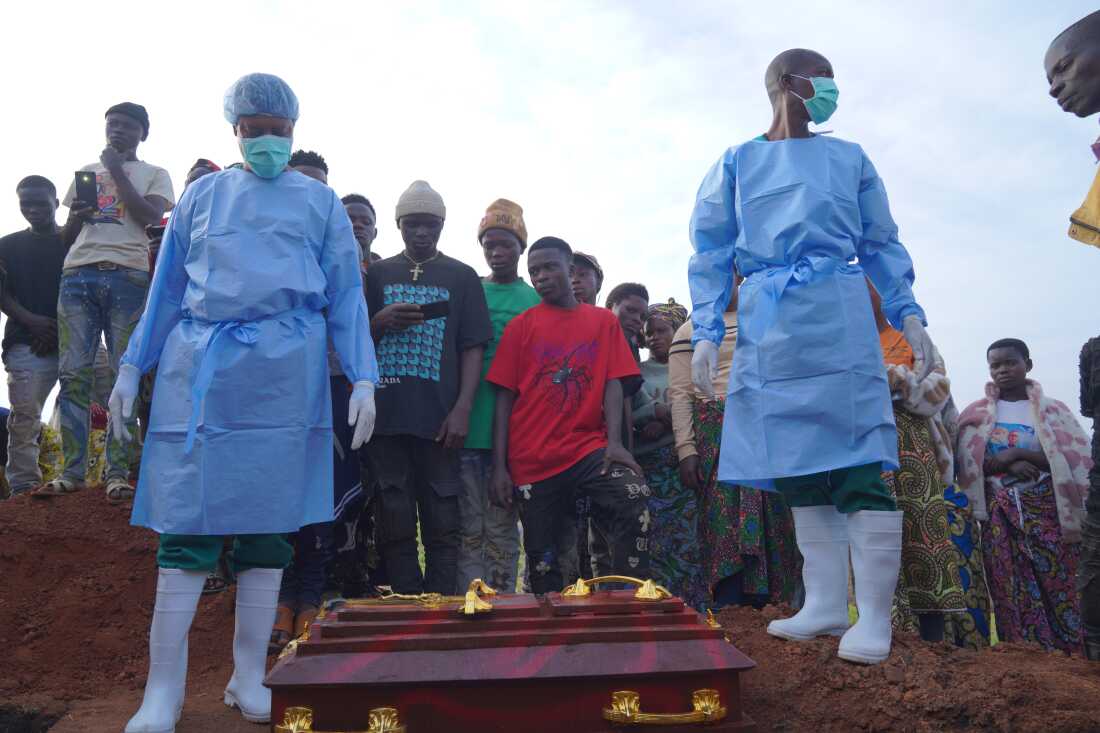
Ebola Outbreak in Congo Hits 5,000 Cases
In Bunia, Congo, the Ebola outbreak has surpassed 5,000 cases, according to government data released Wednesday. The spread of the virus continues to accelerate, outpacing the efforts to contain it in some of the country’s most inaccessible regions.
Data from Congo’s Ministry of Health indicates that as of Sunday, the outbreak has tallied 5,021 cases and 2,378 deaths. The rapid spread is exacerbated by insecurity, displacement, and significant population movements. This outbreak is infecting and killing people faster than any previous outbreak in history. The World Health Organization (WHO) projects it may soon exceed the 2014 to 2016 outbreak in West Africa, the deadliest on record with over 11,000 deaths.
Speed of Spread and Global Concerns
The current outbreak is spreading three times faster than the deadliest one recorded. WHO Director-General Tedros Adhanom Ghebreyesus stated on Tuesday that the epidemic is not yet under control. The ongoing efforts by health workers face increasing demands and poor conditions, leading to strikes. Thérèse Anyiya, a nurse in Ituri’s capital, Bunia, expressed her concerns over the tough working environment.
“If the managers don’t take things seriously, we too will end up withdrawing,”
Some workers haven’t been paid, adding to the challenges.
Lack of Vaccines and Treatment Challenges
A significant hurdle in combating this outbreak is the absence of approved vaccines or treatments for the Bundibugyo virus, which is the strain causing the outbreak. New cases continue to emerge from unexpected areas, indicating rapid transmission and an urgent need for better surveillance.
Violence Hampers Health Efforts
Ituri province, the hardest hit by the outbreak, also faces violence that hampers response efforts. On Monday, an attack on a health team in Aru territory resulted in the destruction of an ambulance and damage to other vehicles. Residents reacted violently to health workers due to lack of information about the outbreak.
“Essential to bring the response closer to the people, particularly in rural, mining and displacement areas.”
Trish Newport from Doctors Without Borders emphasized the need for community awareness about the outbreak and active involvement in response efforts.
Insufficient Care Leads to High Fatality Rates
The virus likely began spreading from Mongbwalu, a mining town, as early as February, months before the outbreak was officially declared in May. Efforts to catch up face numerous hurdles, including threats from rebel groups, community anger, and poor road conditions.
While the 2014-2016 outbreak is the deadliest among Ebola virus types, the Bundibugyo outbreak has a higher fatality rate due to limited care access. With a case fatality rate of 47.4% across six provinces, it is even more severe in areas like North Kivu, where the rate is 70% due to inadequate response capabilities.