
The United States has experienced an alarming rise in measles cases. As of July 23, the number of reported cases exceeds those seen in any year since 1991. This surge happened in less than seven months, surpassing the high recorded the previous year.
Measles is a potentially deadly disease easily prevented through immunization. Vaccines are widely accessible and often free. Despite this, over 4,850 new infections have emerged since the beginning of last year, resulting in the deaths of three individuals. Among these were two unvaccinated girls in West Texas, whose deaths drew national attention.
Accepting the prevalence of measles as inevitable is perilous. In previous reports, evidence showed countries that neglected vaccines faced the resurgence of diseases that harmed and disabled children. Modest changes in immunization policies led to severe consequences years later.
Infected pregnant women have given birth to infants suffering from blindness, deafness, and intellectual disabilities due to rubella exposure. Parents witnessed why diphtheria was referred to as ‘the strangling angel of children.’ Medical professionals confirmed their inability to reverse certain conditions, such as paralysis from polio.
Recent reports highlight how Robert F. Kennedy Jr. and President Donald Trump are reshaping governmental approaches to vaccination. Trump’s executive orders undermine the confidence built since the 1960s in vaccinations that protect against measles, mumps, and rubella.
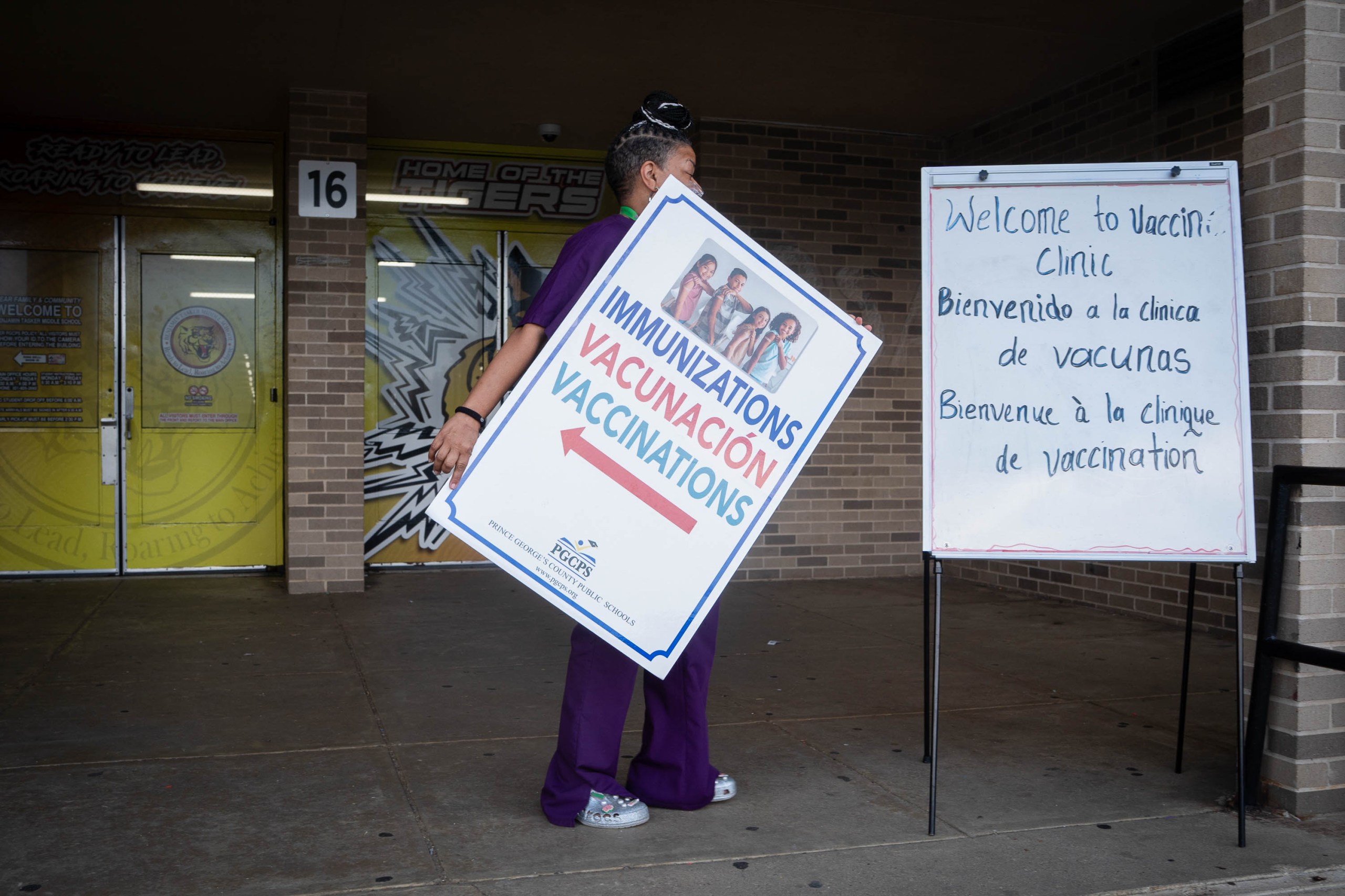
Federal and state health officials have reinforced policies learned from past measles outbreaks. The disease, known for its high contagion, often precedes other vaccine-preventable diseases during times of falling immunization rates. Some schools have initiated vaccination clinics in response to dropping immunization coverage.
Despite uncertainties, health leaders express concerns regarding children’s future battles against preventable diseases. Dr. Melinda Wharton, having spent three decades in CDC immunization programs, articulates concerns over current public health conditions.
In 2020, the CDC faced significant challenges due to COVID-19, governmental actions, and the undermining of its leadership. Loss of trust in public health institutions ensued, a sentiment exploited by RFK Jr.
At the start of Trump’s second administration, internal CDC assessments showed increased measles risks in regions with low vaccination rates. Despite awareness of the importance of vaccinations, the agency hesitated to release this information.
RFK Jr. aims to modify a program crucial to American access to vaccines. Changes could lead vaccine makers to exit the U.S. market. HHS representatives assert Kennedy’s position is ‘pro-safety,’ not anti-vaccine.
A scenario modeled by Stanford epidemiologists depicted consequences arising from inaccessibility to vaccines such as polio, measles, rubella, or diphtheria. This visualization anticipated significant loss of life and health impacts.
As measles cases continued to rise, CDC teams pursued investigations into possible reestablishment of endemic measles within the country. Genetic coding analysis revealed complexities in proving measles isn’t endemic.