
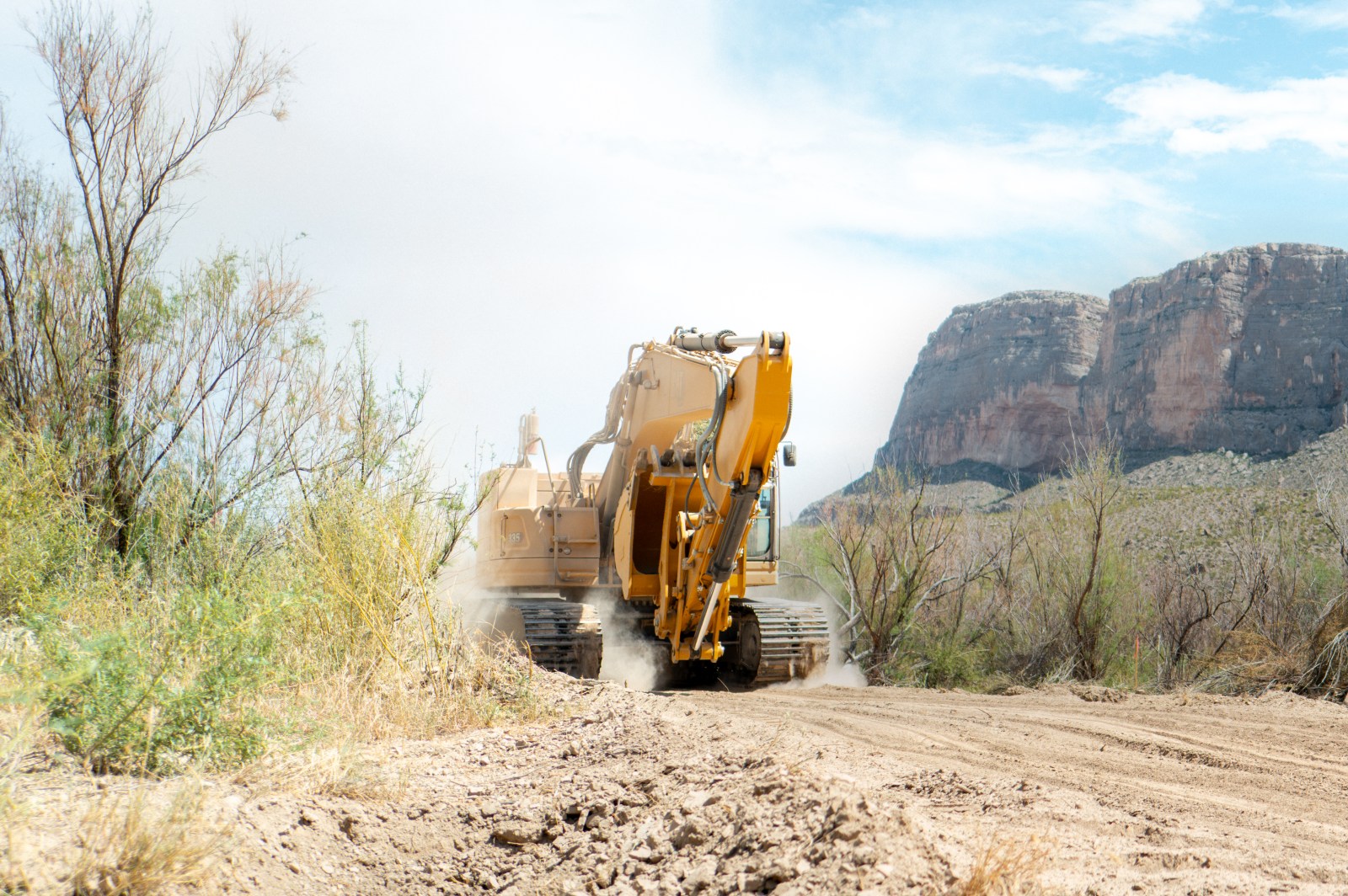
The Trump administration has paused construction linked to a disputed border-security project within Texas’ Big Bend National Park. This decision follows criticism from environmental groups, tribal advocates, residents, and lawmakers. U.S. Customs and Border Protection (CBP) Commissioner Rodney Scott announced the halt, stating he will conduct a personal review and meet with local stakeholders.
“Last night, I put a pause on all activity in that park as far as construction goes until I can get down there and do a personal evaluation, talk to some stakeholders, talk to local law enforcement in that area,” Scott said in a video.
Mike Davidson, a tour guide at Big Bend, expressed skepticism despite the pause, noting, “There’s been very little opportunity for public input so this seems promising. But I am not holding my breath for any real changes.” Sard Ryza from the Big Bend Tourism Alliance emphasized that the region’s tourism economy remains vulnerable until the project is entirely canceled.
The dispute serves as a significant test of the Trump administration’s border-security expansion efforts. Critics have warned of potential damage to the desert landscapes, wildlife habitats, and culturally significant sites. Images of heavy machinery within the park have fueled environmental concerns.
Project Details
Despite common misconceptions, the CBP is not constructing a traditional border wall through Big Bend National Park. Instead, improvements involve building one new access road, enhancing existing roads, installing detection technology, and placing vehicle barriers in strategic locations. Scott mentioned these changes aim to aid Border Patrol in detecting illegal crossings and responding to emergencies.
Federal officials assert that this work is part of a larger border-security strategy. Bryan Devonshire, a local business owner, expressed relief at the pause, highlighting the environmental impact of the ongoing construction.
Environmental Concerns
Opponents fear road construction and vehicle barriers could alter the park’s landscape. Particularly, Mariscal Mountain has been singled out for its rugged terrain that may require extensive blasting. Former Big Bend wildlife biologist Raymond Skiles underscored the area’s importance for peregrine falcons, sensitive to disturbances.
An unusual coalition of environmental advocates, tourism interests, former National Park Service officials, and tribal groups has formed in opposition. A federal lawsuit filed by The People of La Junta for Preservation and other local entities seeks to prevent the project, citing potential damage to archaeological and cultural sites.
The complaint states any alteration to these resources is irreversible, impacting Indigenous religious practices and traditional observances.
Balancing Security and Conservation
Proponents of the project argue it’s necessary to thwart criminal activities exploiting the border. However, critics point out a significant decline in unlawful crossings, as demonstrated by CBP data showing an 85% drop in encounters from fiscal year 2023 to 2026.
Terrell County Sheriff Thaddeus Cleveland welcomed Scott’s visit, though questioned the need for a road near Mariscal Canyon, an area he believes unlikely used by smugglers.
Future Steps
Scott’s announcement does not mean the project is canceled but paused for evaluation and stakeholder discussions. Further details might emerge after his visit.
“I hope this is actually the beginning of communication with CBP. I hope that reason can find a way to permanently stop this destruction,” Devonshire added.