
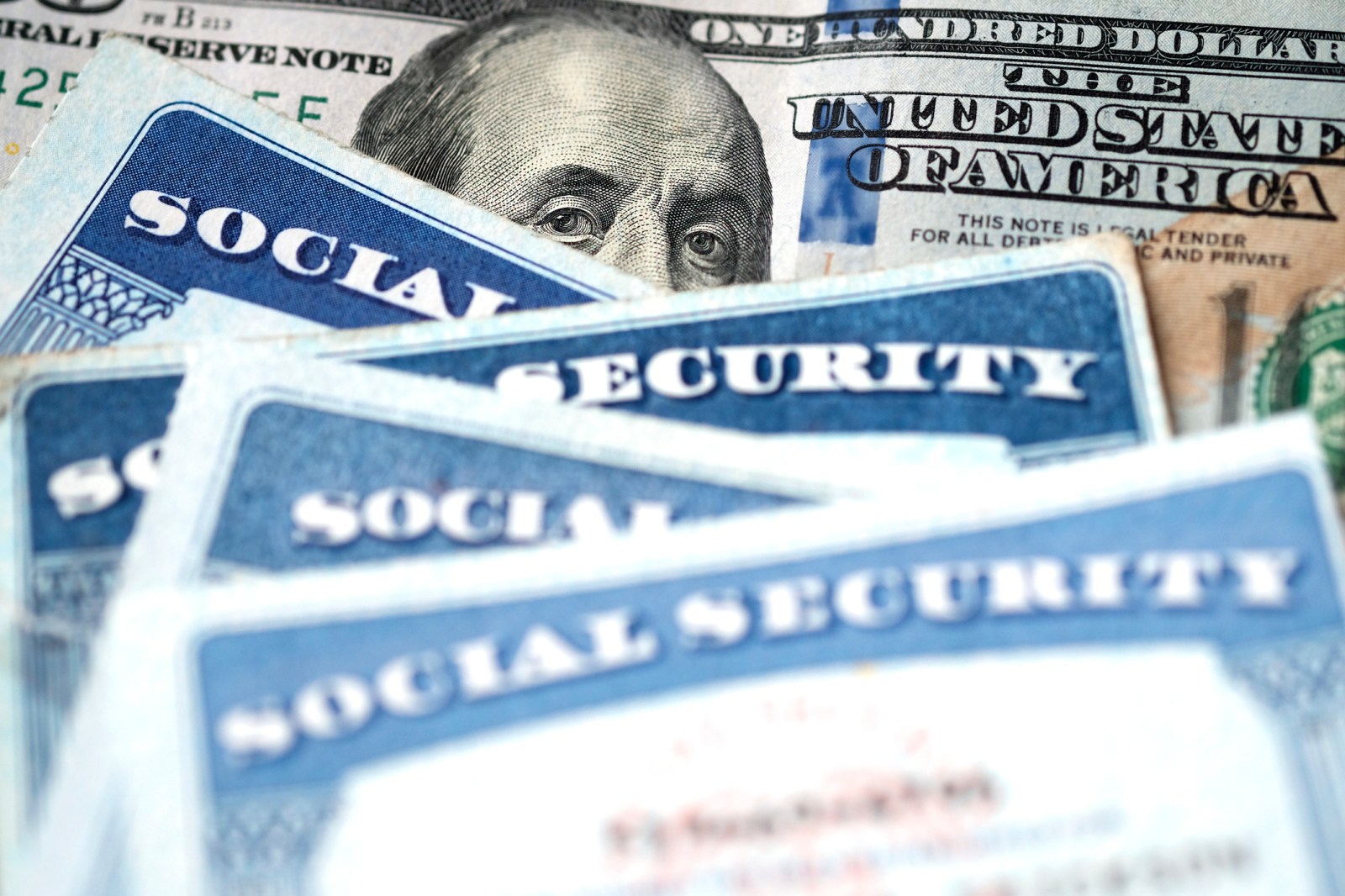
Social Security recipients across the United States will receive their monthly payments this week. Over 75 million Americans receive benefits from the Social Security Administration (SSA). These benefits include retirement, spousal, survivor, and disability payments, all issued monthly in one lump sum.
Payment Schedule
Social Security payments are generally based on a beneficiary’s date of birth:
- Individuals born between the 1st and 10th of each month receive payments on the second Wednesday.
- Those born from the 11th to 20th are paid on the third Wednesday.
- Birthdays from the 21st to 31st result in payments on the fourth Wednesday.
Exceptions exist for those who began receiving benefits before May 1997 and individuals receiving both Social Security and Supplemental Security Income (SSI). They typically receive their Social Security payment on the 3rd of the month with SSI on the 1st. If payment dates coincide with weekends or holidays, payments might be adjusted to an earlier business day.
This week, payments are scheduled for Wednesday, August 19, for those with birthdays between the 11th and 20th. Subsequent payments will occur on Wednesday, August 26, for individuals born between the 21st and 31st. SSA advises beneficiaries to wait for three additional working days if payments are not received as expected before contacting the agency.
Determining Benefits
Retirement benefits depend on a claimant’s earnings record and their age at the start of benefit collection. Workers can begin claiming benefits from age 62, resulting in a lower monthly payment than if they waited until full retirement age or later. Typically, workers need 40 Social Security credits to qualify, which requires roughly 10 years of work.
By 2026, maximum earners could receive about $4,152 monthly at full retirement age. Starting at age 62 reduces this to around $2,969, while waiting until age 70 increases it to approximately $5,181. Most retirees receive less than the maximum, with an average monthly payment of $2,085.98 as of July this year.
Future Adjustments and COLA
Benefits are adjusted yearly through the annual cost-of-living adjustment (COLA) to help preserve purchasing power as prices rise. Although the official percentage is decided in October, estimates are being revised due to increased inflation.
The Senior Citizens League (TSCL), an advocacy group for older Americans, anticipates a 3.6 percent COLA for 2027, lower than its previous estimate of 3.8 percent but higher than the 2.8 percent increase received this year. If the 3.6 percent adjustment applies, TSCL projects the average payment could increase by $69.75, from $1,937.53 to $2,007.28, impacting around 68.5 million individuals.
AARP revised its forecast to a 3.5 percent COLA for 2027, down from 3.6 percent. These changes follow recent inflation data by the Bureau of Labor Statistics, showing a 3.4 percent rise in the Consumer Price Index for Urban Wage Earners and Clerical Workers (CPI-W) over 12 months. This index is critical for Social Security as it factors into calculating the annual COLA.
“[The] CPI print is the first of the three months that set the COLA for 2027, and it came in soft. That pushes the COLA toward the lower end of the current estimate range between 3.6 percent and 3.8 percent,” Nic Puckrin, CEO of Coin Bureau and former Goldman Sachs analyst, told Newsweek.
Puckrin noted that ongoing situations like Middle East tensions affecting oil prices could influence inflation measures in August and September. He warned that if the CPI-W continues its downward trend, the COLA might decline further, which might alleviate the cost-of-living crisis.