
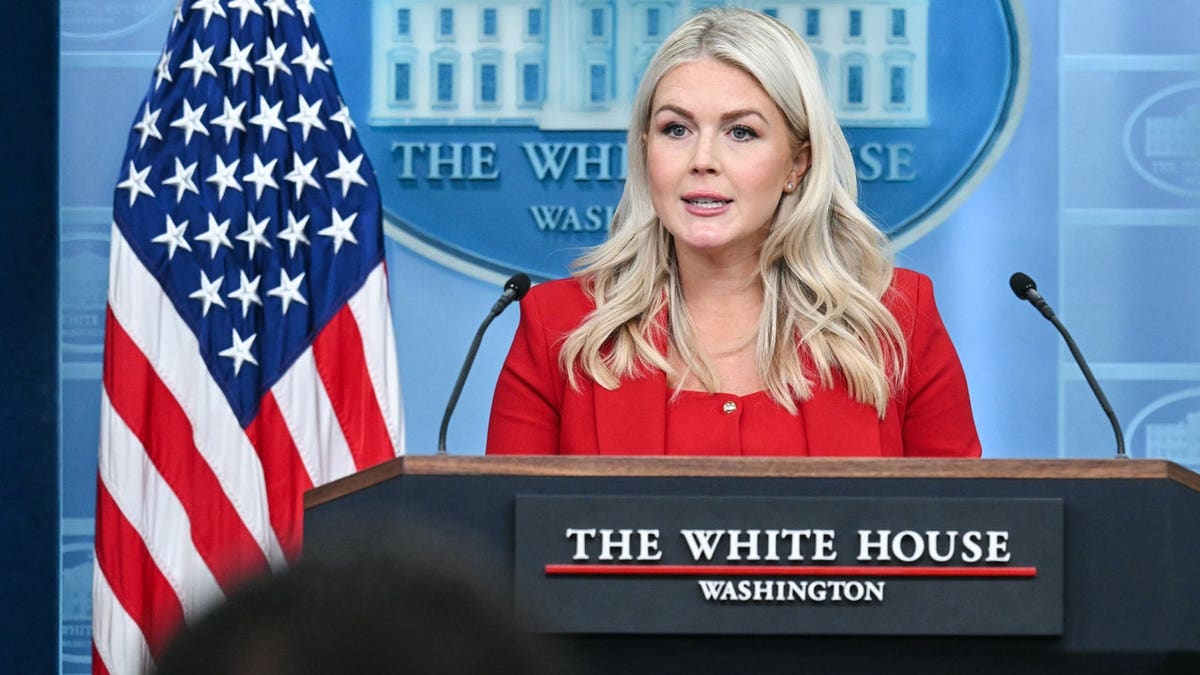
White House press secretary Karoline Leavitt will conclude her tenure at the end of the month. Her time in office is regarded as one of the most effective in the chamber’s 97-year history. She leaves behind a significant legacy of making the briefing room accessible to independent media outlets.
Leavitt managed her role with skill, a challenging task when representing President Donald Trump. She maintained alignment with his messaging without overtaking it. Her calm demeanor and confidence highlighted her approach, even when her occasional witty remarks were directed at reporters.
Leavitt held a press briefing on July 23, 2026, where she announced her resignation effective August 12.
Beyond her poise, Leavitt’s legacy lies in her initiative to integrate smaller indie news outlets and social media influencers into the White House media space. Each press conference began with a question from the “new media seat,” initially criticized by established reporters. These new voices often brought unique perspectives that traditional media sometimes overlooked.
I heard from a friend about an incident where a veteran reporter attempted to assert traditional standing territory, but the newcomer stayed put, embracing Leavitt’s new openness policy.
Leavitt cited family reasons for stepping down, aiming to spend more time with her two young children.
The presence of independent media, including bloggers and TikTok influencers, offered diverse viewpoints. Leavitt recognized their growing influence and ensured they had access. These newer outlets often asked questions that resonated with younger demographics.
Andrew Kolvet from Turning Point USA praised her efforts, noting that her tenure compelled traditional media to elevate their standards while providing platforms for emerging voices. Viral exchanges she had with the media captivated audiences, even among younger generations.
Leavitt facilitated the inclusion of voices such as Andy Ngo, highlighting issues like Antifa activities. Additionally, activist reporters like Nick Shirley found a platform to expose significant fraud, gaining substantial attention.
The designated “new media seat” in the James S. Brady Press Briefing Room became a symbol of inclusion for diverse media voices.
Leavitt’s openness to new media is her lasting legacy, likely to endure beyond the Trump administration. Regardless of future leadership changes, it would be challenging to exclude these outlets again.
While Leavitt’s communication skills are commendable, her enduring impact is the access she’s provided to new media, broadening representation within the media landscape.
Her absence will be noted, but her commitment to broadening press access will continue to shape White House media practices.