
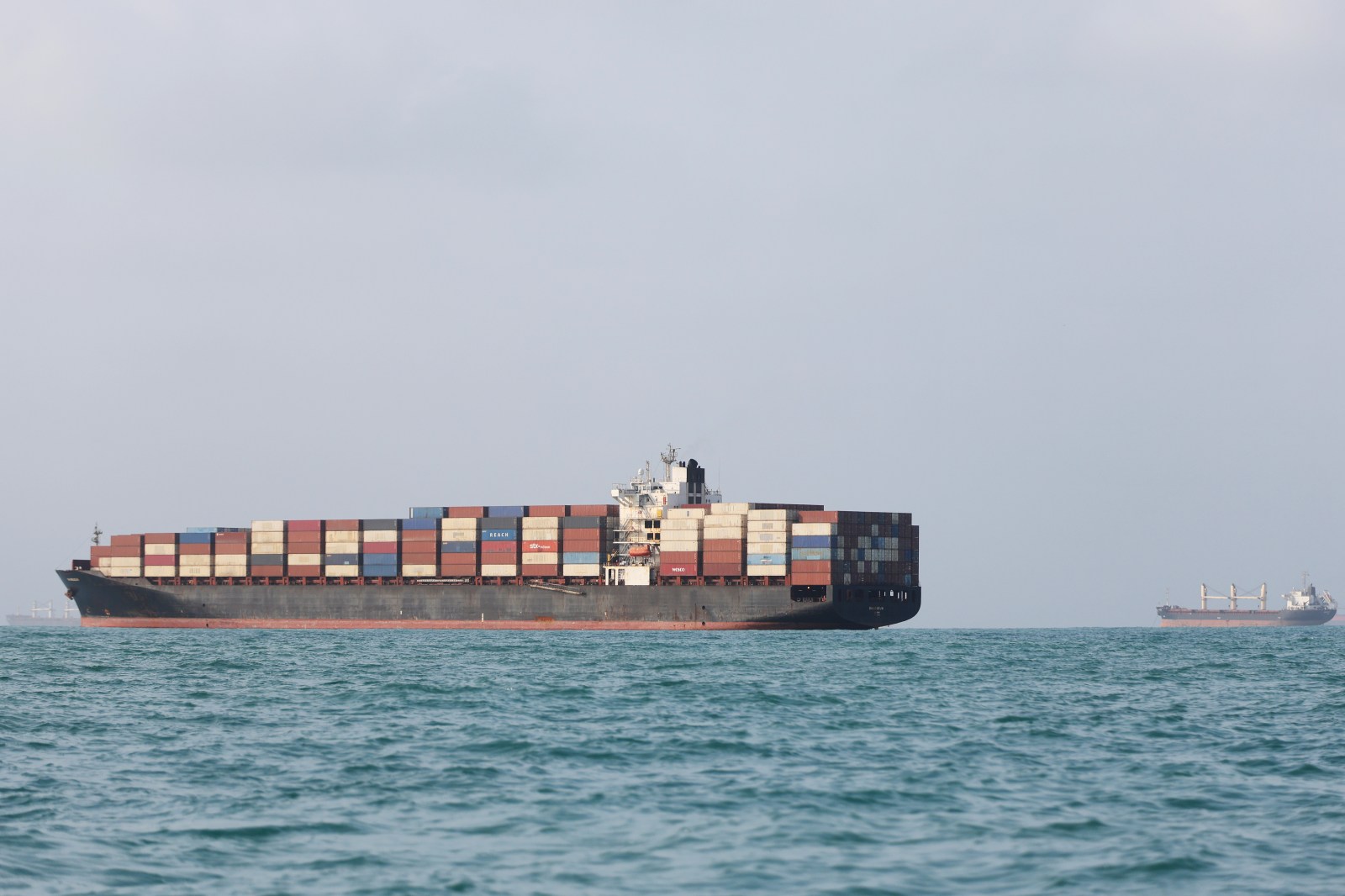
Gas prices have surged over $4 per gallon as escalating tensions in Iran and other supply-side risks loom. This situation poses potential political risks for the Republican Party ahead of upcoming elections.
The Impact of the Iran Conflict
For months, the conflict in Iran has obstructed the Strait of Hormuz. This bottleneck has reduced Middle Eastern oil output and increased U.S. fuel costs. An agreement between conflicting parties initially calmed prices, but these gains reversed after negotiations faltered and hostilities resumed.
The Strait of Hormuz remains the most important factor behind the increase in oil and therefore gasoline prices. The disruption is real, but prices are also responding almost daily to changing expectations about diplomacy and the duration of the conflict.
Carole Nakhle, CEO of Crystol Energy, noted that despite the war, other global and domestic factors could continue to keep fuel prices high.
Current Gas Prices Across the U.S.
According to AAA, this week’s nationwide average for regular unleaded gasoline stands at $4.04, rising from $3.88 last month and below $3 before the February conflict. California tops the list with prices at $5.58 per gallon, followed by Hawaii ($5.54) and Washington ($5.15).
The West Coast, heavily reliant on Middle Eastern imports and faced with refinery closures, faces the greatest supply disruption risk. California’s high sales and excise taxes compound the issue. Conversely, Indiana has the nation’s lowest prices at $3.52 per gallon, followed by Texas ($3.56) and Louisiana ($3.57).
Continued Drivers of High Gas Prices
The Iran conflict introduces significant volatility into global oil markets. Prices fluctuate with traffic disruptions in Hormuz and U.S.-Iran negotiation progress. Fuel costs have increased with renewed regional violence and diminished diplomatic hopes.
Khawaja Asif from Pakistan, the main mediator, indicated progress toward a peace deal but acknowledged ongoing uncertainties. Prolonged disruption or further attacks could increase prices, according to experts like Nakhle. Reports show a decrease in the U.S. Strategic Petroleum Reserve (SPR) to below 300 million barrels, impacted by previous releases to moderate rising prices.
Though SPR levels currently don’t drive high prices, prolonged disruptions or additional issues could worsen the situation. Recent damage to Russian refineries from Ukrainian attacks has further strained supplies, affecting global diesel and gas prices.
Political Risks for the Republican Party
High gas prices, fueled by supply challenges, present political risks for Republicans as elections near. Voter frustration over gas prices links back to foreign policy decisions, including the 2026 military campaign against Iran that disrupted the Strait of Hormuz.
Analyst Francesco D’Acunto emphasized that resolving the Iran conflict is crucial to alleviating voter dissatisfaction with inflation. A July Harris Poll found 95% of Americans viewed the U.S. as facing an affordability crisis, with many attributing this to the Trump administration’s policies.
An AP-NORC poll indicated only 32% supported Trump’s economic handling, with 69% rating the economy as poor, and many citing gas and other costs as major stress sources. A Politico poll further showed 57% believe the cost of living is worse than before.
Outlook on Oil Supply and Demand
Reports from energy bodies highlight concerns over oil supply and demand amid the Iran war. The International Energy Agency noted ongoing impacts from the Hormuz Strait closure, with a substantial risk of prolonged disruptions. The U.S. Energy Information Administration anticipates disruptions to persist into the following year.