
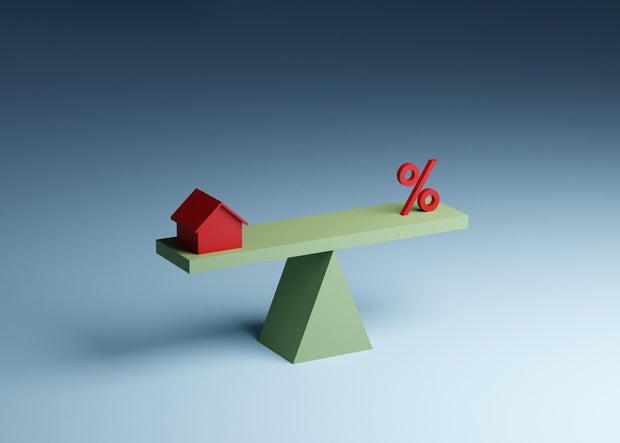
Prospective homebuyers received some encouraging news about inflation this week. After months of stubborn price increases, the latest report indicates a potential easing of pressures. The Consumer Price Index (CPI) increased by 3.4% annually in July, a slight decrease from 3.5% in June and a more substantial drop from 4.2% in May. Core inflation, excluding food and energy prices, also saw a small decline, moving from 2.6% in June to 2.5% in July.
These reductions occur at a crucial time for potential homebuyers. Mortgage rates remain high, with the average 30-year fixed rate at 6.75% as of August 12. This is notably higher than the below-3% rates seen at the start of the decade. With the Federal Reserve considering both inflation trends and labor market changes, each economic report could affect future borrowing costs. Understanding these dynamics helps borrowers gauge what might happen with mortgage rates and whether this inflation news holds promise.
Is the Inflation Drop Good News for Mortgage Rates?
While declining inflation can positively impact mortgage rates, it doesn’t guarantee an immediate reduction. Mortgage rates are influenced by various economic factors, and inflation is just one of them. Rates connect closely with the bond market, particularly the 10-year Treasury yield. High inflation or expectations of sustained inflation lead investors to seek higher returns on long-term bonds, due to reduced future purchasing power, driving yields and mortgage rates higher. Conversely, cooling inflation may lower yields and potentially allow mortgage rates to decrease.
The recent CPI report is a potentially positive signal for borrowers. It also impacts expectations regarding the Federal Reserve. Although the Fed does not set mortgage rates, its monetary policies influence financial markets. With reduced inflation, policymakers might have more flexibility to lower rates if other economic conditions permit.
Other indicators, such as a July jobs report that showed a cut of 23,000 jobs, also play a role. A weakening labor market, combined with reduced inflation, could lead to anticipation of lower Federal Reserve rates. If investors start expecting falling borrowing costs, mortgage rates might adjust even before Fed actions.
However, a substantial mortgage rate drop is uncertain. Inflation remains above the Fed’s 2% target, and a couple of positive reports are insufficient to determine the future trajectory. For homebuyers, the July inflation report should be viewed as part of a larger economic puzzle. Continued declines in inflation and a softening labor market could improve conditions for lower mortgage rates. Future reports on inflation and employment, along with market reactions, will further clarify the path for mortgage rates.
Finding a Low Mortgage Rate Today
With mortgage rates above 6%, even a small rate difference affects monthly payments and overall costs. It’s more practical to focus on controllable factors rather than timing the rate market perfectly.
- Shop around with multiple lenders. Rates, fees, and loan terms vary, even for the same borrower.
- Get quotes from at least three to five lenders to find the best rate and closing costs combination.
- Improve your borrower profile. A higher credit score, lower debt-to-income ratio, and larger down payment can enhance your position.
- Pay off revolving credit card balances, correct credit report errors, and avoid new debt before applying.
- Compare more than interest rates. Review annual percentage rates (APRs) for a clearer cost picture. Consider mortgage points if planning to stay long-term.
- Explore different loan types. Government-backed or adjustable-rate mortgages might offer lower initial rates than conventional fixed-rate options, depending on eligibility.
The Bottom Line
The July inflation report suggests easing price pressures, which might favorably affect mortgage rates over time. Yet, mortgage rates don’t hinge solely on inflation. With inflation above the Fed’s target and ongoing economic uncertainties, a significant rate decline isn’t assured soon. If planning to purchase a home, consider comparing lenders and improving your financial profile.