
El Niño’s Influence
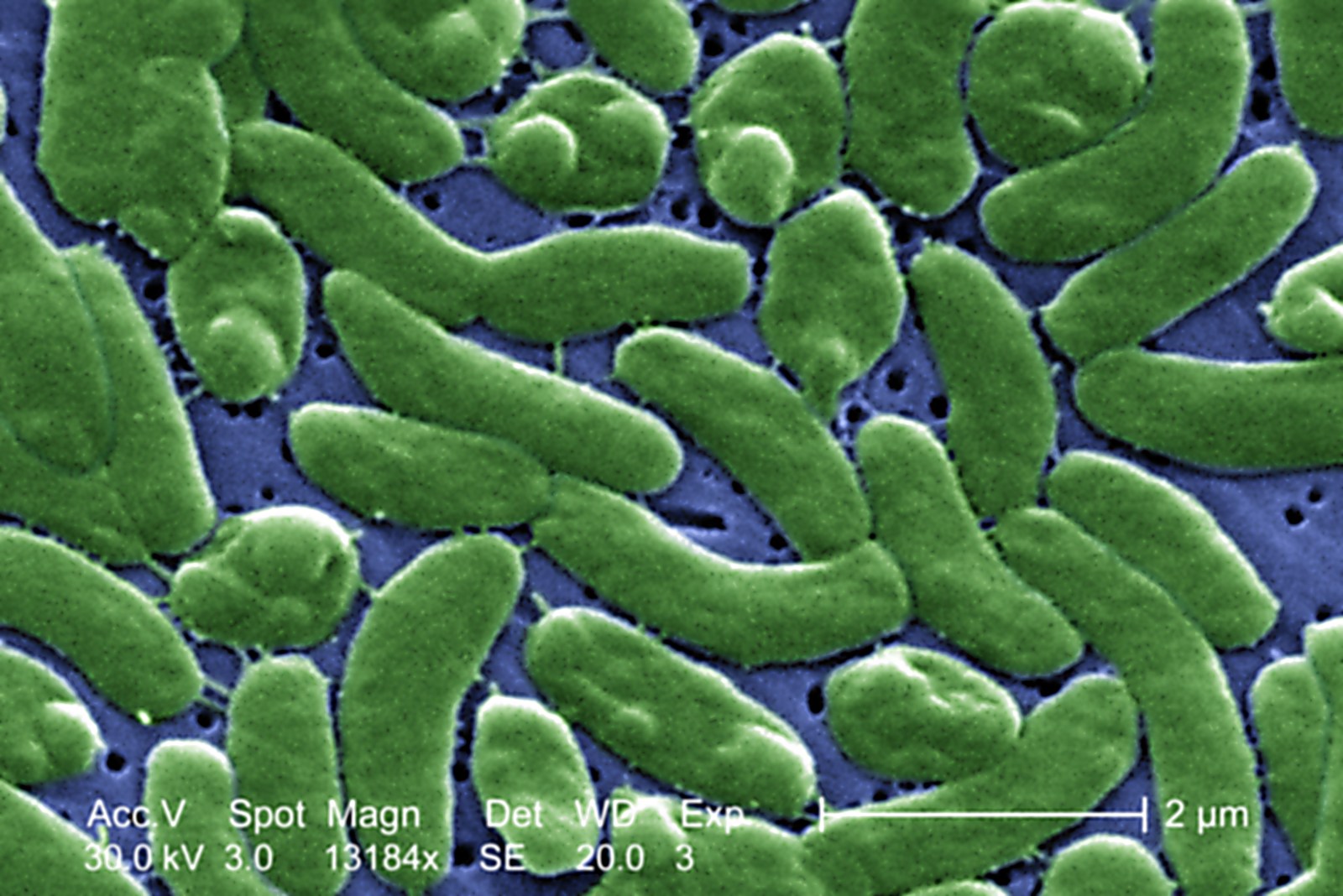
A potentially strong El Niño may create conditions that favor the growth of Vibrio vulnificus, a dangerous bacterium linked to severe infections. Experts urge caution in directly correlating the climate pattern with the number of infections. This discussion follows the deaths of at least six individuals in Louisiana and Florida this year due to infections from this bacterium. The bacteria have prompted health alerts and cases across several states.
Understanding El Niño
El Niño is a recurring climate pattern characterized by abnormally warm sea surface temperatures in the Pacific Ocean. It affects global weather patterns, impacting rainfall, wind, storm activity, and temperatures. These effects differ by region and event. The term “super El Niño” describes particularly strong occurrences. The National Oceanic and Atmospheric Administration (NOAA) stated an ongoing El Niño was strengthening, with an 81% chance of becoming “very strong” from October to December 2026, and a 97% chance of extending into early spring 2027.
Vibrio Vulnificus and El Niño
Craig Baker-Austin, a research microbiologist in the U.K., explained that El Niño might increase Vibrio vulnificus risks by altering coastal conditions favorable to the bacterium. V. vulnificus thrives in warm, brackish waters. Elevated sea surface temperatures and suitable salinity boost its prevalence. Studies from the Gulf of Mexico and Chesapeake Bay indicate warmer water links to greater bacterium abundance and human infections.
During El Niño years, higher sea surface temperatures can occur in U.S. coastal zones. Changes in rainfall, river discharge, and storm activity may alter salinity, increasing habitat suitability for V. vulnificus, potentially extending risk periods and boosting bacterial concentrations. Human behavior, like more frequent sea entry during warm periods, also raises exposure chances.
Currently, global sea surface temperatures are among the highest recorded. Baker-Austin identified the Gulf Coast, specifically Florida, Louisiana, Texas, Mississippi, and Alabama, as vulnerable due to their warm temperatures and estuarine conditions. They account for most U.S. cases. The Atlantic seaboard, including states like North Carolina, New York, and Connecticut, is seeing more infections as coastal waters warm, and climate-driven habitat expansion is expected to continue.
Expert Opinions on El Niño’s Influence
David Fisman from the University of Toronto explained that Vibrio bacteria, which thrive in warm temperatures, increase with warmer waters. Consequently, higher bacterial loads are likely during activities like swimming. Seafood contamination might also rise. However, he noted the greatest risk increases might occur in previously colder areas like the Pacific Northwest and Alaska, where non-cholera vibriosis was less common.
Jaime Martinez-Urtaza from the Autonomous University of Barcelona cautioned against simple correlations between El Niño and V. vulnificus cases. El Niño primarily affects the Pacific, with weaker influence on Gulf and Atlantic coasts. While an elevated risk is possible along the Pacific coast, the extent remains uncertain. Fewer hurricanes might reduce storm-associated outbreak clusters, further complicating predictions.
About Vibrio Vulnificus
Vibrio bacteria naturally reside in coastal waters, with higher concentrations from May to October. According to the CDC, vibriosis occurs from eating raw or undercooked shellfish or from open wounds contacting salt or brackish water. V. vulnificus can cause severe infections, sometimes requiring intensive care or amputation. Approximately one in five patients may die within two days. High-risk individuals include those with liver disease, cancer, diabetes, HIV, weakened immune systems, reduced stomach acid, or recent stomach surgery.