
The WNBA, often overlooked in the past, now finds itself at the forefront of sports discussions for unexpected reasons. Historically, the league has struggled financially, yet Caitlin Clark’s emergence has sparked increased interest, revenue, and merchandise sales. This surge allowed players to negotiate for improved benefits, enhancing their quality of life, largely thanks to Clark’s influence.
Despite her efforts to remain non-controversial, Clark is one of the most criticized players, primarily due to jealousy and misalignment with some fans’ political beliefs. Her teammate, Sophie Cunningham, has drawn attention for a different reason. Cunningham expressed her opposition to male athletes participating in women’s sports, a view shared by a majority of the American public. However, this stance turned her into a divisive figure within the league.
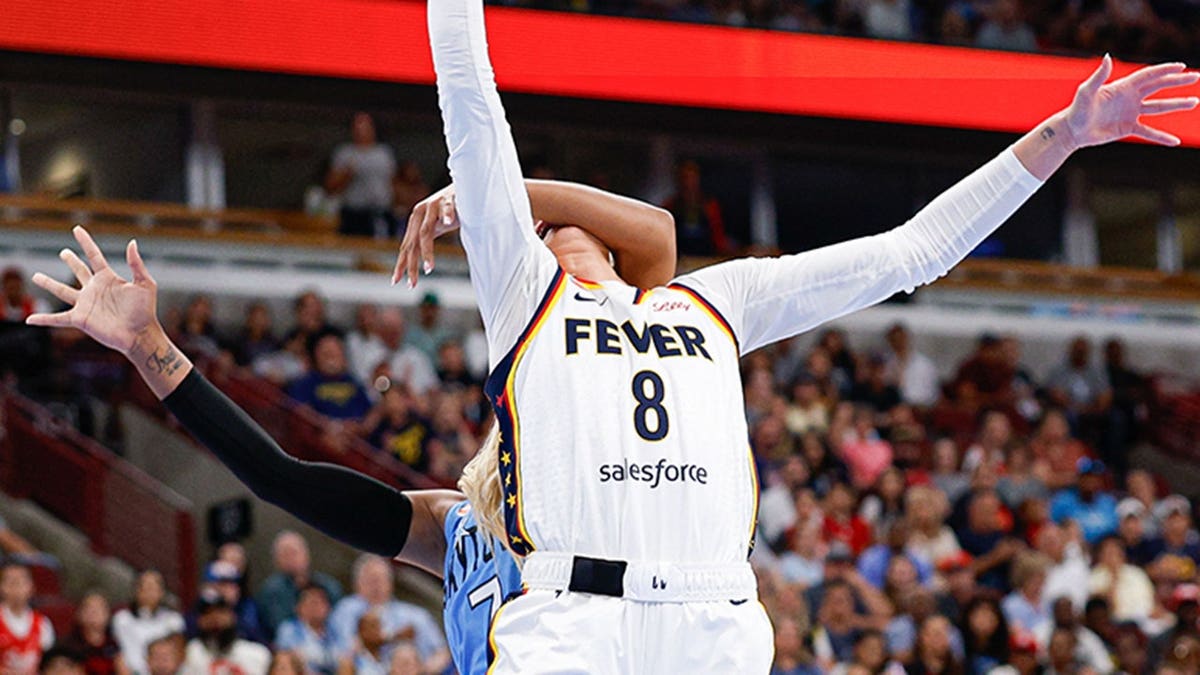
Recently, tensions escalated when Cunningham suffered a flagrant foul from DiJonai Carrington, resulting in Cunningham having a bloodied face. Carrington received a flagrant 2 foul and ejection, highlighting the league’s challenges in handling such incidents. Post-foul, Carrington’s social media comment about “white privilege” added to the controversy, with various league figures and media personalities joining the debate.
The broader debate touches on transgender athletes in women’s sports, fueled by Caitlin Clark’s calls for leagues to find solutions. Former NBA players Enes Kanter Freedom and Royce White have declared intentions to enter the WNBA draft, challenging the league’s stance on gender and identity inclusion. The WNBA’s commitment to diversity, equity, and inclusion further complicates decisions around eligibility.
Critics argue that the league’s focus on political causes over quality of play and clear eligibility rules detracts from its credibility as a major sports league. They contend that politically influenced decisions undermine efforts to elevate stars like Clark and adequately address incidents like Cunningham vs. Carrington.
Political activism has become integral to the WNBA, shaping its public image and internal policies. However, this may be affecting the league’s perception as a serious sports entity. Recent controversies and decisions have spotlighted the challenges of intertwining sports and politics, leaving open questions about the league’s future direction.