
Paying off a collection debt is a significant achievement for many individuals. However, understanding how this impacts your credit profile requires careful consideration. Even when the debt is settled, the consequences may not align with the debt itself.
The Impact of Settling Collection Debt
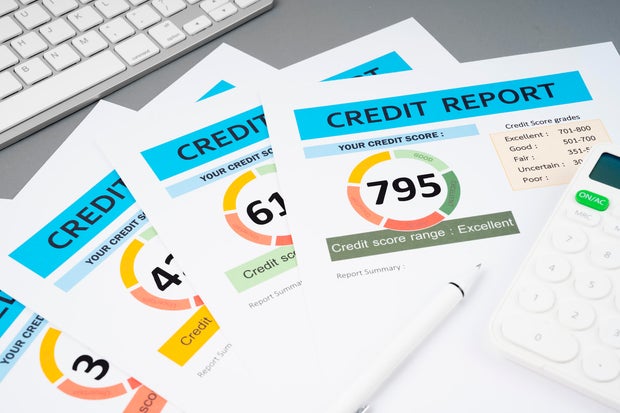
Credit reports chronicle how accounts have been managed over time. Credit scores react differently based on what’s reported and which scoring model is used. This means paying a collection account might not have the immediate effect on credit scores you expect.
If you’ve recently cleared a collection account, or plan to do so, it’s crucial to understand what changes to anticipate in your credit profile. We examine how a paid collection debt still affects your credit.
Your Credit Post-Payment
Settling a collection account does not erase it from your credit reports. Generally, collection accounts can remain for up to seven years from the original delinquency date—the first missed payment date when the account fell behind. Paying off the debt doesn’t reset this period.
What changes is the account status. Once you pay, the collector reports your payment, and the collection should show a zero balance. This change is crucial, though it doesn’t guarantee immediate improvements in every credit score.
Newer scoring models, such as FICO Score 9, 10, and VantageScore 3.0, 4.0, usually omit paid collections from score calculations. However, older models might still include them, affecting how a cleared debt impacts your score. The history of the debt can still factor in, like if serious delinquencies led to the collection. These may linger on your report for up to seven years.
Special Case: Medical Collection Debt
Paid medical collections are excluded from consumer credit reports by major bureaus, and medical debts under $500 are also excluded. It’s crucial to review your reports to ensure accurate updates after payment. It might take a month or more for changes to reflect. Discrepancies can be disputed with the credit bureaus.
Addressing Additional Collection Debts
Paying off one debt doesn’t solve broader debt issues. If you have multiple delinquent accounts, consider exploring wider debt relief strategies.
Debt settlement involves negotiating with creditors to pay less than owed, usually on delinquent accounts. Though this can reduce balances, missed payments and settled-account marks may harm your credit for years.
A debt management plan through a credit counseling agency offers another route. It aligns payments with what you can afford, making them more manageable. You’ll make a single monthly payment, distributed to creditors under agreed terms.
If your credit is still adequate, debt consolidation can be a strategy. This involves merging multiple high-interest debts into a single loan with a lower rate. This could simplify repayment and decrease interest costs. However, the terms must be beneficial, as high-rate or costly loans might not offer much financial gain.
Conclusion
Paying a collection debt marks a vital milestone. However, it doesn’t necessarily clean your credit slate immediately. Collection accounts can stay on reports for up to seven years from the initial delinquency. The scoring model used significantly influences whether the debt continues to affect your score.
If one paid collection is just a piece of a larger problem, consider all your debt relief options. Steadying the rest of your finances sooner allows you to mitigate the impacts on your credit profile from past collections.