
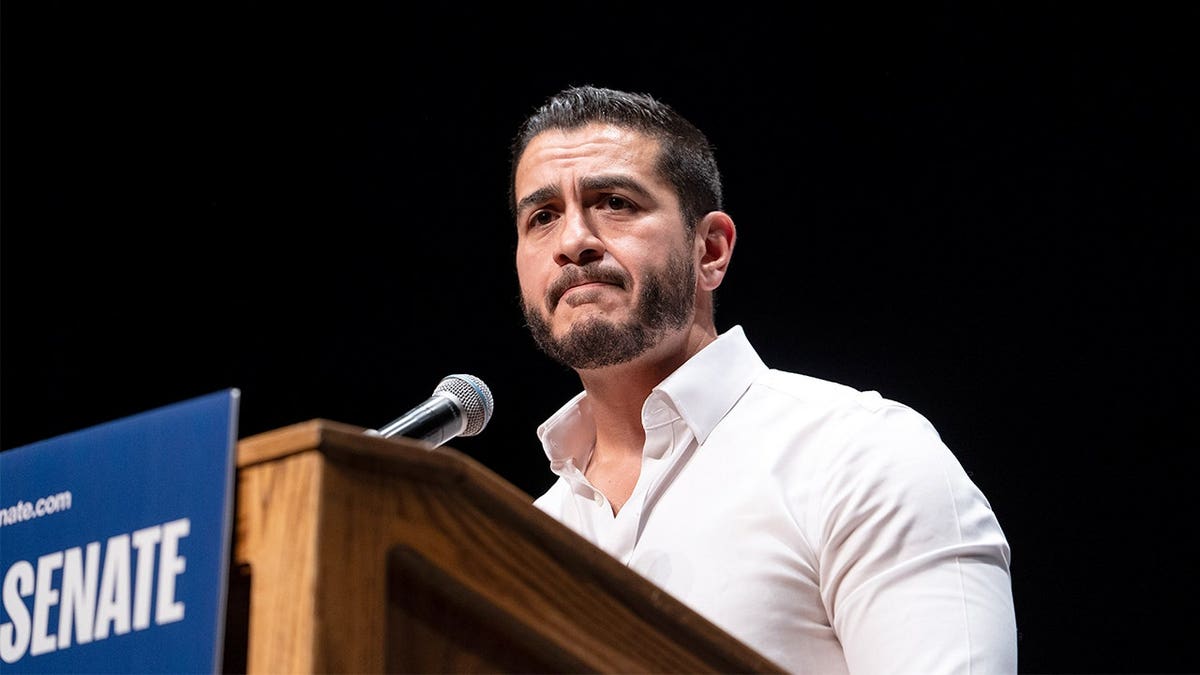
Abdul El-Sayed, the Democratic Senate nominee from Michigan, discussed on Meet the Press the financial implications of funding universal healthcare. He stated that to support his Medicare for All plan, taxes could increase across income levels, not only for the wealthy.
Discussing the impact on everyday earners, El-Sayed mentioned how healthcare costs currently dominate paychecks after taxes. He noted that this shift would mean replacing payments to private health insurance companies with taxes that would ensure healthcare coverage without the risk of losing benefits due to job changes or life events.
El-Sayed highlighted the potential benefits of this strategy, emphasizing that healthcare would become free at the point of care. This, he argued, is preferable to funding exorbitant executive salaries at insurance companies.
NBC’s Kristen Welker pressed El-Sayed for clarity on tax implications for those earning under a million dollars. El-Sayed confirmed that while people might pay more in taxes, the trade-off involves replacing private insurance payments with a public healthcare contribution.
Republican Senate candidate Mike Rogers expressed opposition to El-Sayed’s plan on social media. Rogers criticized the proposal, interpreting it as increased government revenue rather than increased disposable income for citizens.
El-Sayed’s stance is consistent with his progressive platform, including other wealth redistribution measures such as taxing billionaires. Although he faced considerable opposition, El-Sayed recently won his primary over an establishment-supported contender.
Despite backing policies like Medicare for All, El-Sayed distanced himself from socialist labels. However, some Democratic insiders view his rise as indicative of ideological shifts within the party, amid ongoing tensions between establishment figures and progressive forces.
Eric Ham, a political analyst, commented on this internal struggle, noting the broader ambitions of the Democratic Socialists of America (DSA) to exert influence. He referenced several electoral contests as evidence of this movement’s growing sway within the Democratic Party.