
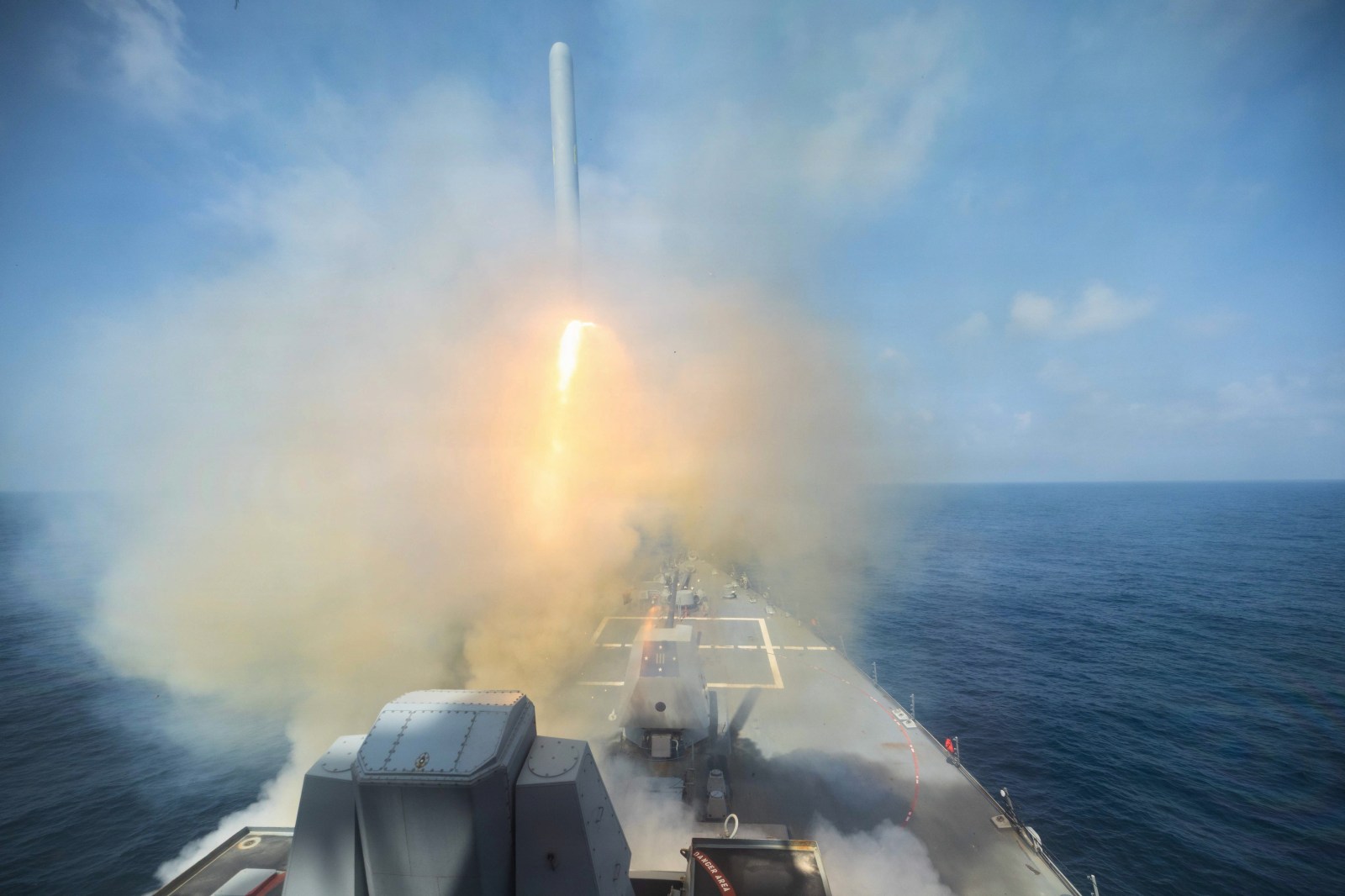
The Pentagon is urging major U.S. defense contractors to speed up weapons production to replace critical stockpiles depleted during the ongoing conflict with Iran. Newly disclosed directives from the Defense Department highlight this push, setting firm deadlines for contractors. Deputy Defense Secretary Steve Feinberg addressed industry leaders, granting a maximum of 21 days to submit plans for accelerated delivery schedules or increased production of essential military capabilities.
In a memo, Feinberg emphasized the unacceptability of years-long development cycles, calling for faster program schedules and expanded production capacity. Pentagon spokesman Sean Parnell stated that the focus under Defense Secretary Pete Hegseth is on transforming the defense industrial base’s speed, capacity, and lethality. This includes fixing the acquisition system to meet current threats effectively.
Concerns Over Depleted Missile Defenses
The initiative underscores growing anxieties in military planning about depleted inventories of key missile defense systems, such as Patriot and Terminal High Altitude Area Defense (THAAD) interceptors. According to an analysis by the Center for Strategic and International Studies (CSIS), prolonged combat with Iran has drastically reduced these systems. American forces may resort to riskier tactics to conserve air defenses, as indicated by the CSIS report.
The report noted that the number of Patriot interceptors decreased from 2,330 before the conflict to between 759 and 827, marking a reduction of at least 65%. Similarly, THAAD interceptors fell from 452 to 232-262, with a partial replenishment bringing the total to 234-278, still a 38% reduction. Fully restocking these critical items, including Tomahawk cruise missiles, may take at least three years, even with increased funding.
Costs and Administration Pushback
Defense Secretary Hegseth informed senators that the war with Iran has incurred costs of approximately $37.5 billion since late February, covering operations and anticipated needs until the fiscal year’s end on September 30. Despite President Donald Trump’s assertion of maintaining ‘massive amounts’ of weaponry, Pentagon officials insist that the production ramp-up is crucial for strengthening the defense industrial base.
Pentagon spokesman Parnell confirmed that Feinberg’s memo is legitimate and significant, influencing the fiscal year 2028 budget submitted to Congress for funding. Meanwhile, a defense spending bill is stalled in Congress amid lawmakers’ dissatisfaction over Trump’s military actions against Iran and the substantial increase in Pentagon spending from $900 billion last year to $1.5 trillion.