
President Donald Trump has expressed disapproval of Texas Governor Greg Abbott’s recent decision to halt approvals for new data centers. Trump labeled this step as a “mistake,” as the state evaluates concerns related to the resource demands of the data center industry.
In an interview with Punchbowl News, Trump commented on the pause, highlighting that other communities are eager to host data centers due to their economic benefits. He stated, “When a community wants it, it means a lot of money is going to come into that community.” He also asserted that the data center industry could potentially surpass oil in economic importance for Texas.
Data centers, which support cloud computing and artificial intelligence, have stirred concerns about their substantial electricity and water usage. Critics also highlight noise, grid pressure, electricity costs, and environmental issues as pressing worries.
“Governor Abbott’s top priority is to protect Texans’ safety and quality of life and ensure the integrity of our power grid and water supply amid surging demand,” said Andrew Mahaleris, Abbott’s press secretary, responding to the concerns on Friday.
Abbott Initiates Data Center Audit
Governor Abbott announced a pause on new data center approvals as Texas conducts an audit. This review will assess the electricity and water consumption of proposed projects, cooling systems, tax incentives, and community impacts.
Projects failing to meet state requirements could lose grid connections. According to Mahaleris, only a small fraction of data centers comply with Texas laws mandating power and water usage reporting. The governor’s action calls for data centers to provide this information to the Public Utility Commission of Texas (PUCT) and the Electric Reliability Council of Texas (ERCOT).
Surging Demand for Data Centers
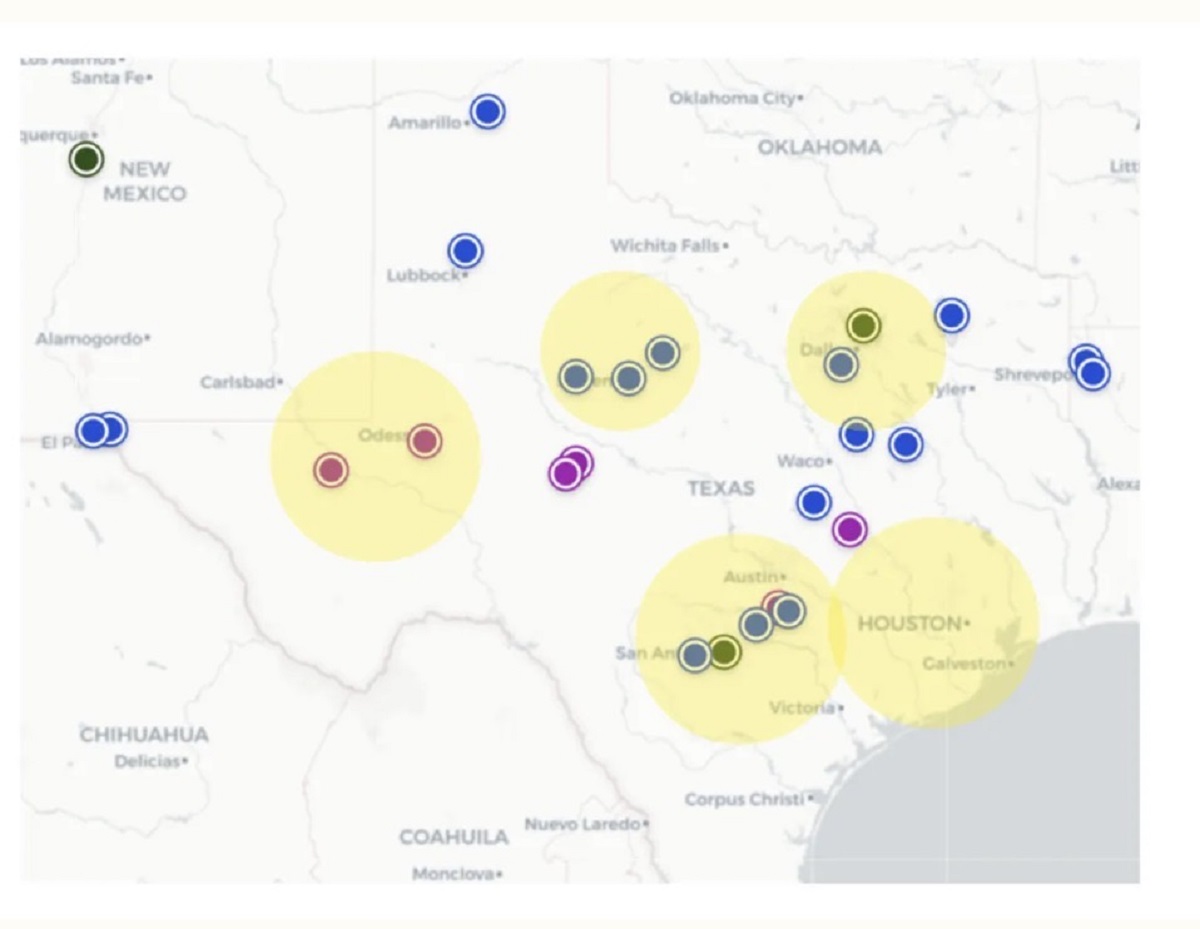
Texas plays a central role in the AI infrastructure expansion. ERCOT’s documents forecast significant electricity demand growth, fueled by large-load customers such as data centers. About 90% of Texas’ large-load interconnection requests originate from these data facilities.
ERCOT’s projections highlight that Oncor’s service area, including Dallas-Fort Worth, will see the highest large-load growth. Dallas, Collin, Denton, Tarrant, and Ellis counties are key areas due to their infrastructure and land availability.
The Fort Worth Data Center Project, valued at $1.1 billion, exemplifies the tension between development and community concerns over resources. City officials have delayed tax incentives following public objections.
Diverging Views on Infrastructure
Trump’s stance contrasts with Abbott’s regulatory approach, even though both recognize Texas as a hub for technology development. Abbott previously lauded Google’s $40 billion investment in state cloud and AI infrastructure.
The governor’s pause affects facilities seeking grid connections, while projects with independent power generation might bypass standard procedures. Trump argued on Fox News that rejecting AI projects overlooks economic benefits like lowered taxes and increased property values.
A July poll by Emerson College found that 63% of U.S. voters oppose nearby AI data centers, a 21-point increase. Studies indicate data centers can boost regional economies and housing prices, though close proximity might reduce property demand due to noise and other factors.
The future impact of data centers remains uncertain, with over 1,500 potential facilities nationwide, per Pew Research. The Berkeley Research Group suggests as many as 3,000 projects in development.