
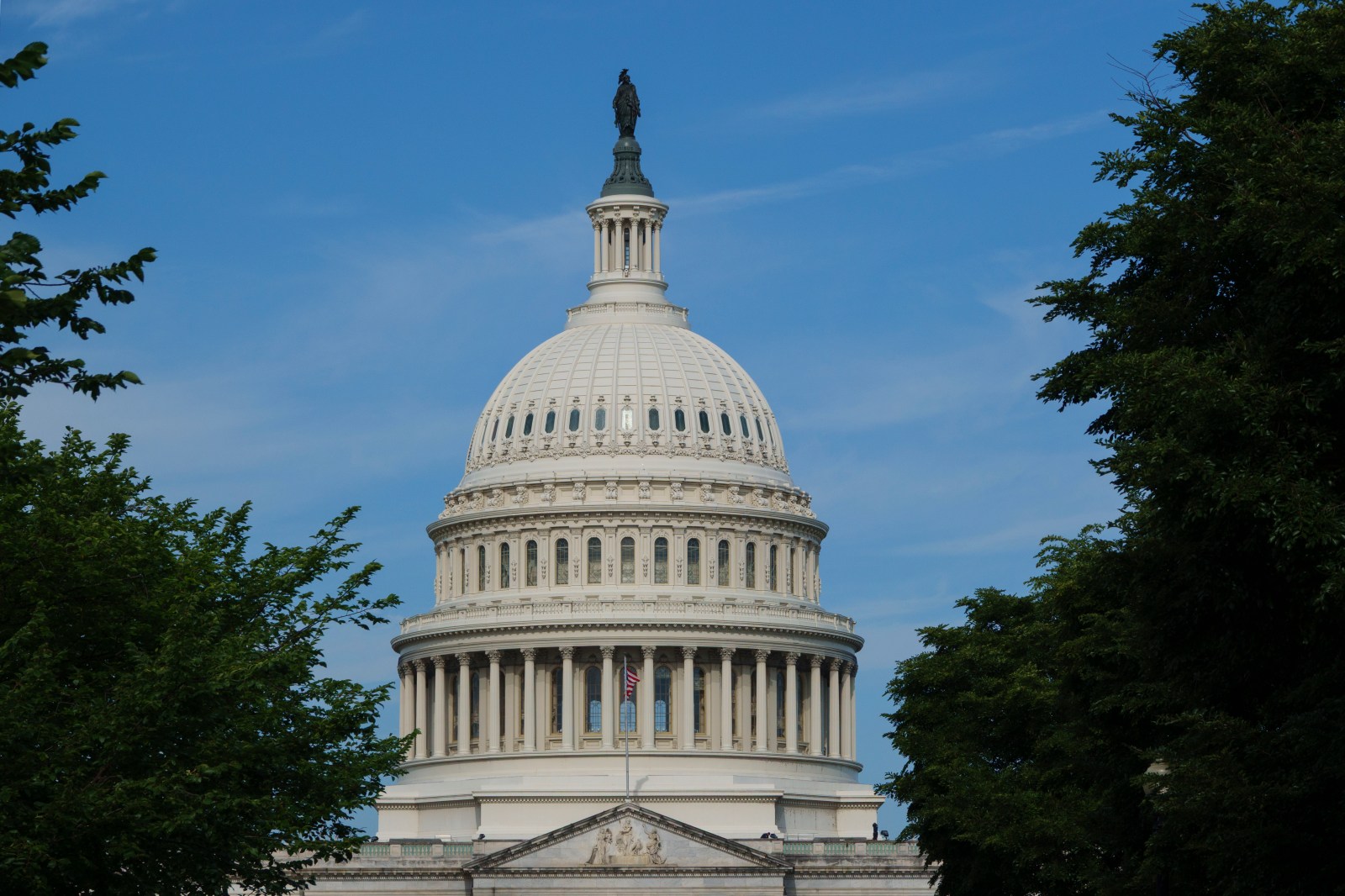
The Senate approved a short-term funding bill with a 90-6 vote early Saturday. This measure ensures federal government operations continue through December 11, extending beyond the November midterm elections. With the existing funding set to run out on September 30, lawmakers have negotiated several provisions in this new bill.
The House has its own version, a continuing resolution to fund the government until December 4. Before President Trump can sign the legislation, the two versions must be reconciled.
Provisions in the Senate Funding Bill
The Senate bill acts as a continuing resolution. It extends current funding temporarily instead of laying out full-year fiscal 2027 appropriations. This grants Congress more time to negotiate the individual appropriations bills necessary for funding the government for the rest of the fiscal year 2027.
The bill includes significant exceptions and policy provisions. One key provision prevents funds from transferring to the Border Patrol, a priority for Democrats who oppose giving the Trump administration leeway to redirect money to border security. It also permits adjustments for housing and food assistance programs.
Another point of contention is delaying a national ban on most intoxicating hemp products by one month, an issue for some Republicans. Additionally, the legislation includes a provision temporarily blocking a White House budget office rule. This would give senior political appointees more authority over federal grants, which Democrats argue could politicize the process.
Senators Opposing the Bill
The final vote showed six senators opposing the bill, including:
- Bill Cassidy (R-La.), serving in the Senate since 2015, focuses on healthcare and fiscal policy.
- Tim Kaine (D-Va.), a senator since 2013, engaged in foreign policy and military affairs.
- Ed Markey (D-Mass.), known for his stance on climate change and technology policy.
- Rand Paul (R-Ky.), a critic of government borrowing and advocate for reducing federal spending.
- Bernie Sanders (I-Vt.), a progressive voice on healthcare and economic inequality.
- Elizabeth Warren (D-Mass.), an advocate for financial regulation and consumer rights.
Newsweek reached out to all six senators for comment.
Impact on Midterm Elections
By extending funding until December 11, the Senate bill postpones another potential shutdown until after the November 3 midterms. Senate Majority Leader John Thune urged lawmakers to seek agreement prior to the August recess to prevent a shutdown amidst election campaigns.
The House’s version funds the government until December 4, necessitating reconciliation before the bill becomes law.
Next Steps
The Senate’s decision hasn’t eliminated the risk of a shutdown. The House passed a resolution expiring on December 4. Both chambers need to finalize a unified law to present to Trump. If Congress resolves differences and the president signs the legislation, federal operations continue funding until December 11. This avoids a shutdown right before the midterm elections.
With the December deadline, another spending debate will arise after the elections, requiring decisions on full-year fiscal 2027 appropriations or more temporary extensions.