
Damariscotta, Maine — Artist Bailey Romaine, 37, and her partner, Ed Vlcek, eagerly anticipated the birth of their first child in January. They have spent five years creating a natural haven in midcoast Maine for their family. However, they now face uncertainty as the hospital they relied upon may close its labor and delivery unit in December, leaving them an hour or more from the nearest facility.
Romaine expressed concern over the potential closure, noting, “Late January is peak blizzard time. The road to Damariscotta is windy and poorly plowed in winter.” This is part of a larger issue, as rural regions nationwide face increasing maternal healthcare shortages.
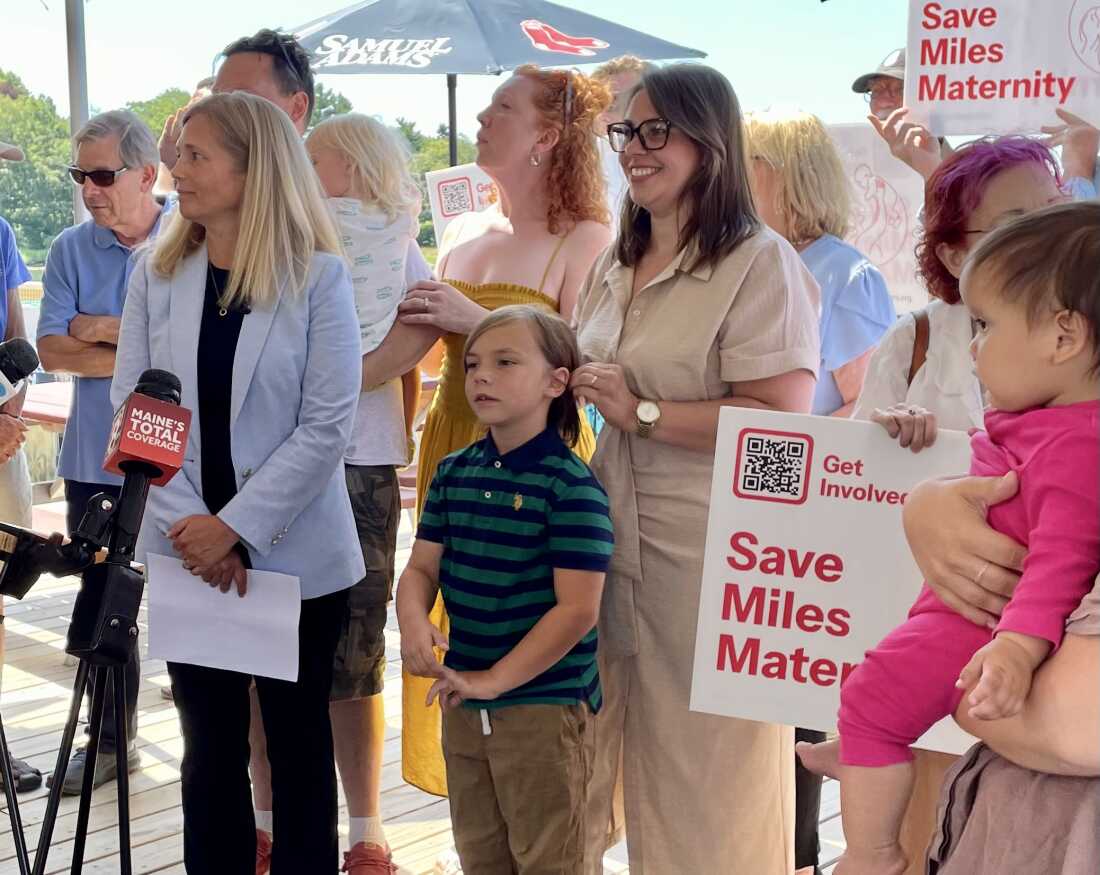
On August 6, MaineHealth trustees will decide the future of the obstetrics department at MaineHealth Lincoln Campus, or Miles Hospital. In response, the Miles Delivers Action Coalition, founded in May, has mobilized around 10,000 supporters. The group argues the birthing unit offers essential services the community cannot afford to lose.
Margaret Reynolds, a cofounder, said during a press event with Democratic gubernatorial hopeful Hannah Pingree, “Labor and delivery waitlists are common statewide. Preventable deaths shouldn’t occur because of staffing issues.” Pingree highlighted the broader impact. “This isn’t solely a healthcare crisis. It’s a safety and economic crisis,” she said.
MaineHealth cites a lack of OB/GYNs since 2020, claiming the unit cannot safely remain open. Leaders insist that, regardless of the vote’s outcome, their advocacy will persist, drawing attention to the broader state maternity care crisis. Political figures, including Governor Janet Mills and others, have voiced support for keeping the unit operational.
Maternity Care Concerns in Rural America
The loss of maternity services in rural and low-income urban regions is alarming. By year-end, nearly 150 rural birthing units nationwide may close, with 60% of rural counties lacking access. Maine particularly feels this crisis, ranking second after West Virginia for maternity care reductions.
Miles Delivers Action Coalition quickly rose from community action. Reynolds recalled initiating the effort on May 14 upon learning of the potential closure, prompting approximately 100 people to gather at her home. “Seeing the turnout, we realized we weren’t alone,” she noted. The coalition took a proactive approach, treating the group like a startup and inviting expertise and input from diverse community sectors.
Conversations with healthcare professionals inspired alternative staffing plans and recruitment solutions. Unexpected support emerged, with members, donors, and internal healthcare stakeholders supporting their cause. “Many felt unheard and joined our efforts,” Reynolds shared.
The Economic Challenge of Rural Obstetric Care
Obstetrics departments in rural areas often operate at a loss. Declining birth rates and a national OB/GYN shortage exacerbate the issue. Additionally, decreased insurance coverage due to Medicaid and Affordable Care Act changes elevate hospitals’ costs. The coalition recognizes these challenges but condemns a lack of financial transparency from MaineHealth.
Through investigative efforts, coalition members discovered that Miles Hospital showed greater profitability compared to other MaineHealth facilities. Subsequently, MaineHealth emphasized staffing challenges over financial issues. CEO Dr. Andy Mueller cited dependence on temporary staff and the risks of patient diversion.
To counteract, the coalition engaged OB/GYNs interested in working at Miles and contributed to sustainable care models. However, MaineHealth’s reception has been tepid. The health system suggests alternative facilities, asserting minimal travel impacts, a claim the coalition disputes.
Amid these challenges, Miles family physician Tim Goltz voiced concern, “If OB goes away, mothers and babies will suffer.” He emphasized research showing increased risks with longer travel distances for births.
The coalition remains steadfast, publicly challenging MaineHealth’s financial priorities. In response to a CEO’s salary criticism, Mueller acknowledged ongoing solution-seeking efforts. On Wednesday, the coalition initiated legal action against MaineHealth, aiming to prevent the unit’s closure. Additionally, they requested enforcement of a law mandating a 120-day notice for such closures.