
Recent reports of significant earnings by California refiners and oil companies have sparked discussions among state legislators focused on industry profits. Marathon Petroleum, a leading refiner in California, announced a $5.1 billion profit for the second quarter, a notable increase compared to the previous year. This surge followed tightened fuel supplies during the Iran war and a significant rise in oil and gas prices.
Chevron, the largest refiner in California, also reported a $12.1 billion profit for the same period, marking its highest earnings in over six years. Other refiners, including PBF Energy and Valero, experienced similar financial windfalls, with Valero earning $3.7 billion. These profits have prompted state senators, such as Josh Becker (D-Menlo Park) and Benjamin Allen (D-Santa Monica), to advocate for regulations that empower the attorney general to investigate price gouging during wartime.
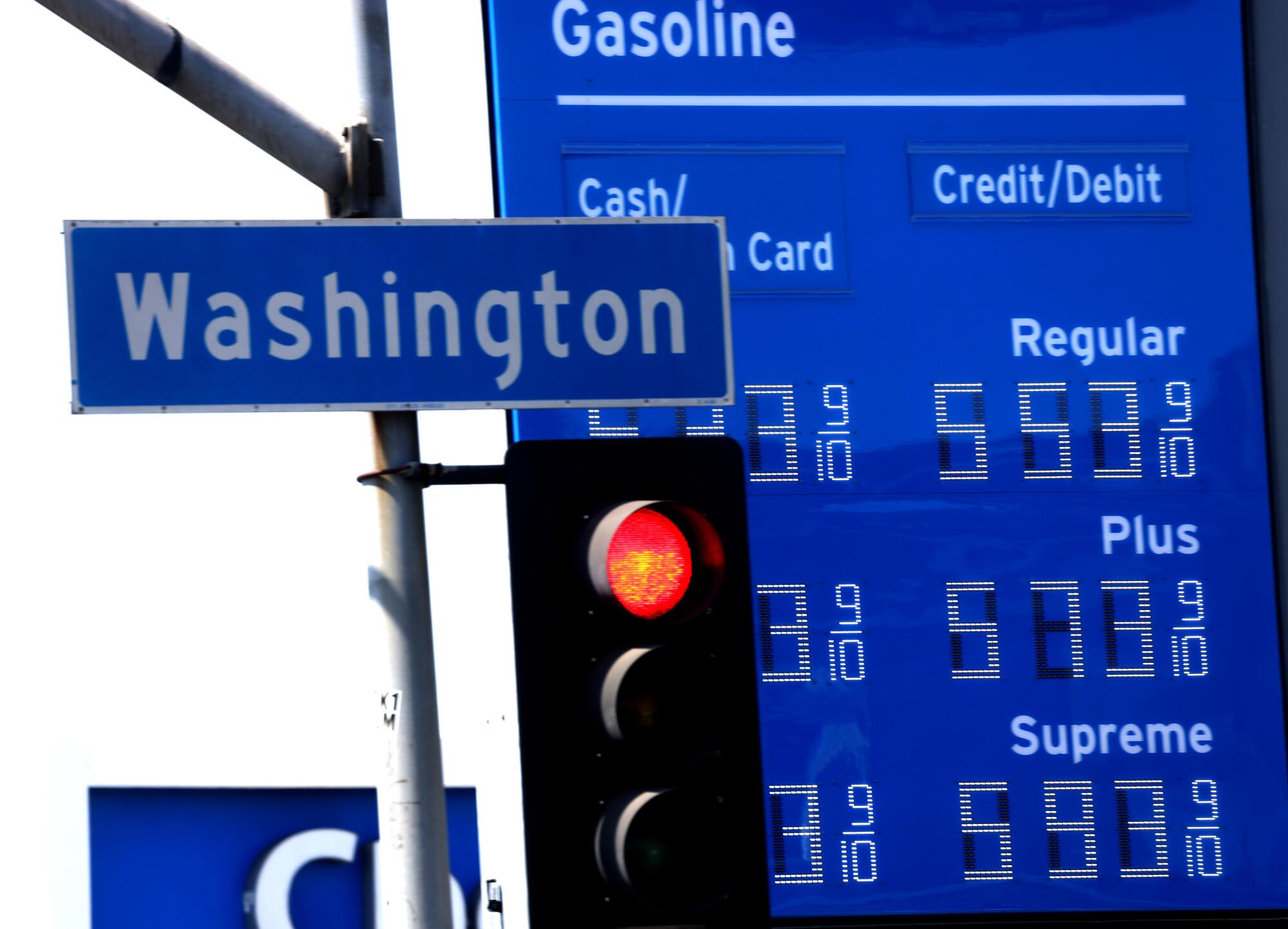
Quotes from Chevron revealed their position that the company’s performance reflects its global operations rather than regional results. They attributed success to increased energy production and refinery operations. This financial prosperity comes as drivers in the U.S. are experiencing a 30% to 50% hike in gas prices since the onset of the war, with California drivers paying prices above $5.60 a gallon.
The price increases have led some legislators to criticize California’s cleaner-burning fuel blend requirements. These standards, introduced in the 1990s to reduce air pollution, are often blamed by refiners for California’s high gas prices. State Sen. Henry Stern (D-Los Angeles) has proposed a bill that would facilitate selling regular gasoline in California, alongside imposing fees to fund programs like electric vehicle rebates. Environmental groups, including the Union of Concerned Scientists, argue that modern cars and national standards render the California blend unnecessary, suggesting that suspending it could facilitate importing cheaper gas from other states.
The Western States Petroleum Association disagrees, highlighting concerns that changing fuel standards might discourage investment and increase uncertainty. The group also opposes Becker’s bill to extend emergency price-gouging protections to wartime conditions. The existing laws limit price hikes to 10% above pre-emergency levels. Research from Consumer Watchdog shows consistent elevation of California’s gas prices over the national average during the year, particularly post-war.
The California Energy Commission notes that while state prices typically exceed national averages, the increases during the war align with broader trends. The commission highlighted a specific issue: branded stations in California price gas significantly higher than unbranded ones. Efforts to address these differences are ongoing, with a federal lawsuit in June accusing major chains of using AI to artificially raise pump prices.
The Western States Petroleum Association defends branded gas costs, citing factors like real estate and specialized additives. They argue that pricing differences are typical across markets. Concerning initiatives to cap wartime profits, the group warns such measures might reduce California’s competitiveness, posing risks to fuel importation and availability.
Legislation targeting windfall profits is also appearing at the federal level, led by California Sen. Adam Schiff and Rep. Brad Sherman. At the state level, attention is on bills advancing through the legislative process. Consumer Watchdog President Jamie Court advocates for Becker’s bill, urging the use of a 2022 law allowing price caps at refineries as a tool against price spikes. He claims that the law could have saved Californians considerable amounts but acknowledges hesitance around enforcement following refinery closures.
Refinery closures, particularly following attacks and supply disruptions, have heightened fuel scarcity, tying into the global profits of oil companies, according to analyst Brett Gibbs. Marathon and Valero have noted favorable outcomes from their West Coast operations amidst closures and crude availability changes. PBF Energy forecasts continued profitability after the recent restoration of its Martinez refinery.
Studies from Wood Mackenzie project oil industry profits reaching up to $495 billion, provided oil prices maintain levels around $90 per barrel, a considerable increase from prior expectations. Companies, analysts say, are predominantly retaining profits rather than reinvesting in production.