
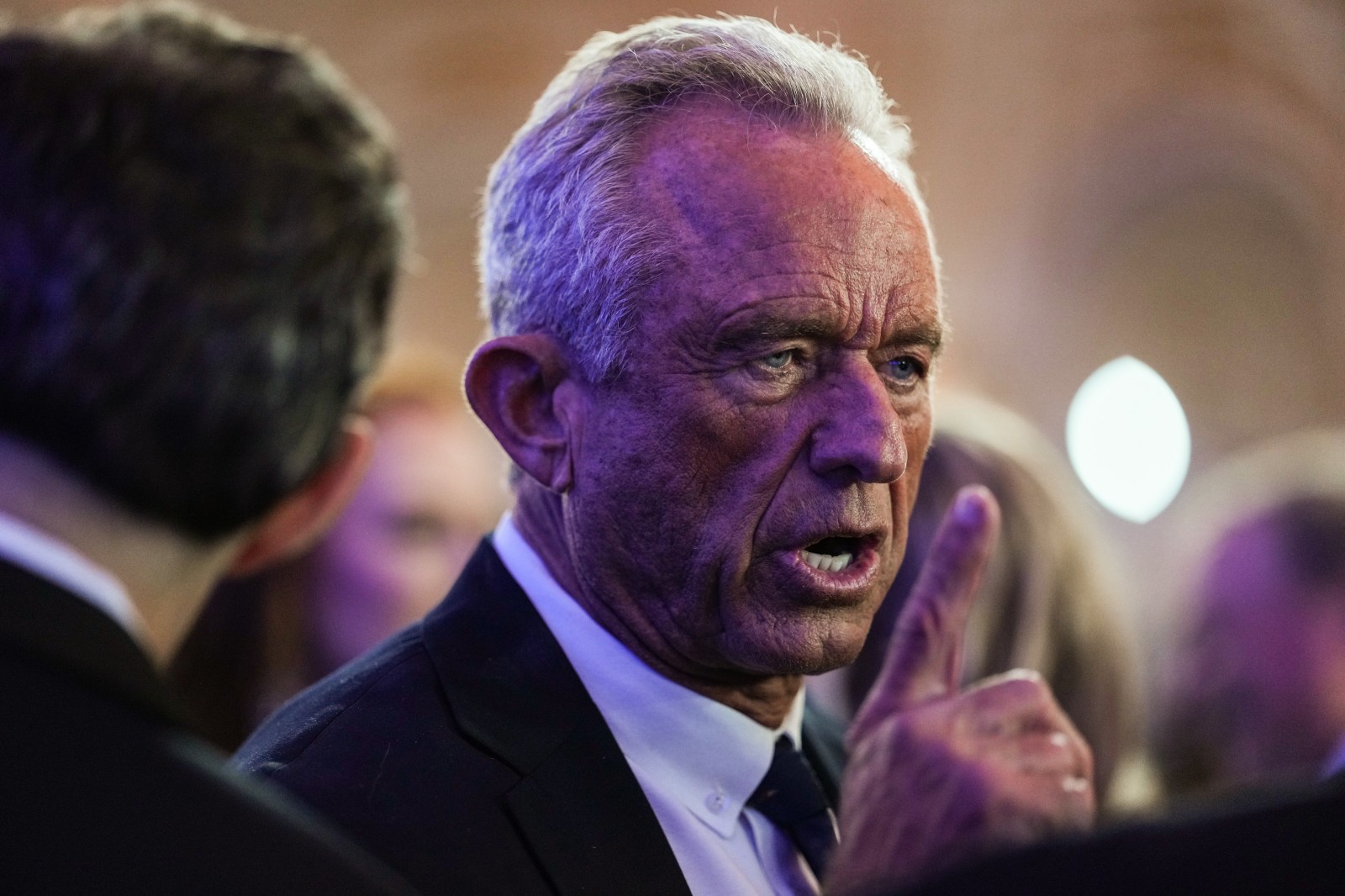
Robert F. Kennedy Jr. has been known as a prominent vaccine skeptic in the United States. Recently, he has publicly supported the measles, mumps, and rubella (MMR) vaccine, which marks a shift in his earlier views.
Public Support for MMR Vaccine
Kennedy acknowledged the effectiveness of the MMR vaccine in preventing measles. He now advises that children should receive this vaccine. As the Health and Human Services (HHS) secretary, he stated that the government promotes the MMR vaccine. This change comes amid a significant measles outbreak across the nation.
In an interview with CNN, Kennedy emphasized the importance of the measles vaccine. He mentioned that it stops measles in about 97 percent of cases. This is a notable departure from his previous skepticism.
Skepticism Toward Other Vaccines
While Kennedy has shown support for the MMR vaccine, he maintains skepticism regarding other vaccines. His stance on COVID-19 vaccines remains critical. Kennedy argues against broad recommendations for these vaccines, particularly for children.
Kennedy has also remained a critic of the human papillomavirus (HPV) vaccine. He has supported legal and advocacy campaigns concerning alleged vaccine injuries. Despite some evolution in his views, he has not fully endorsed the HPV vaccine.
Hepatitis B Vaccine and Newborns
Kennedy has questioned the hepatitis B vaccine recommendations for newborns. He proposed changes to the childhood immunization schedule during his tenure. However, a federal court order blocked these changes. The CDC’s current guidance continues to recommend the hepatitis B vaccine at birth.
Routine Childhood Vaccines
Kennedy describes his approach as focused on transparency, informed consent, and parental choice. He does not entirely oppose vaccines but supports reviewing parts of the childhood immunization schedule. His actions suggest continued skepticism toward established vaccine policy.
Current Measles Outbreak in the U.S.
The CDC reported 2,371 confirmed measles cases in 2026 as of July 30. This number surpasses the total for the previous year. The majority of cases are linked to outbreaks in under-vaccinated communities. The CDC emphasizes the effectiveness of the MMR vaccine in preventing measles.
Efforts to contain the outbreak include deploying epidemiologists and providing vaccines and technical assistance to local health departments. The goal is to increase MMR vaccination coverage to prevent further spread.