
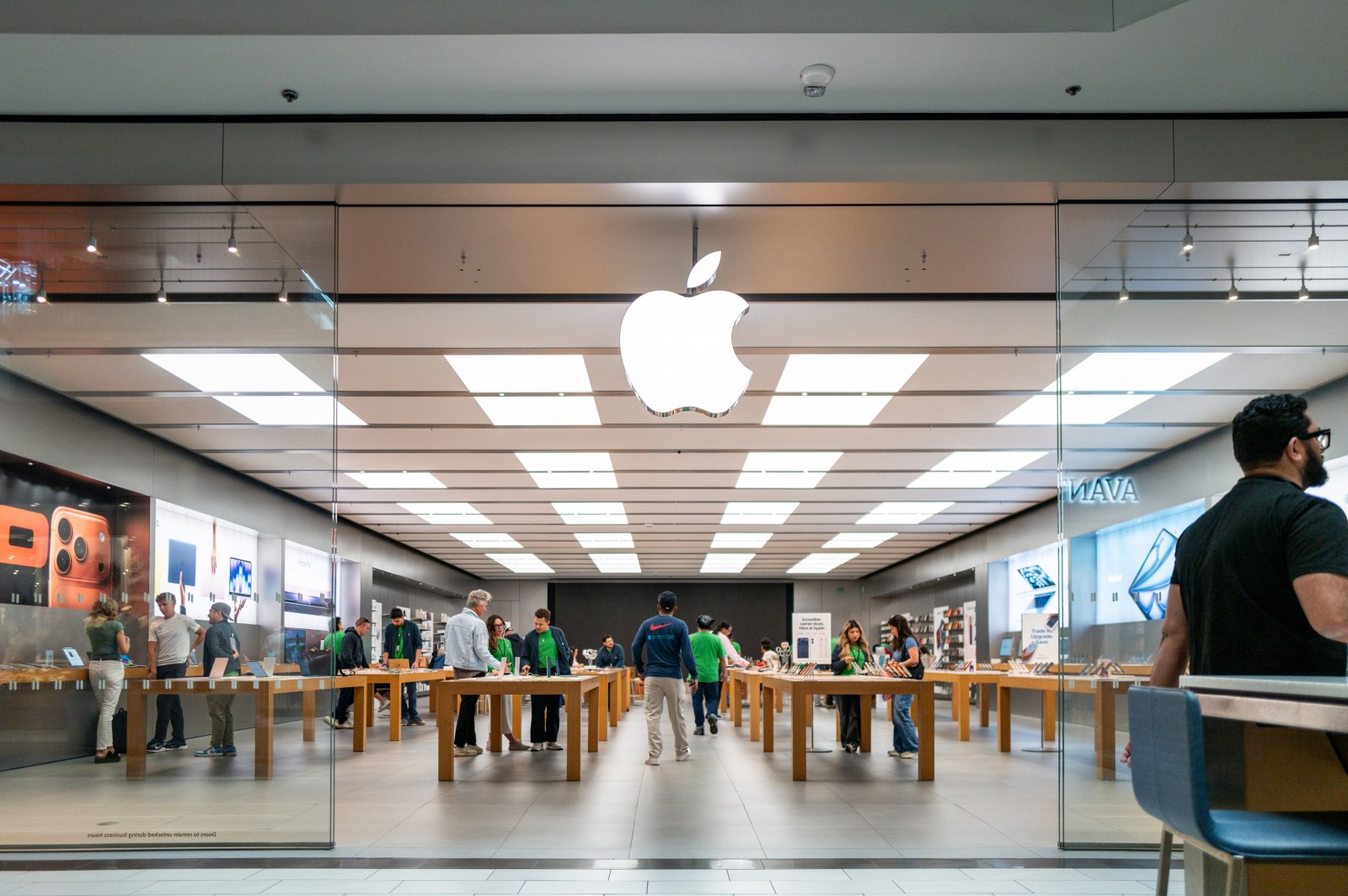
Apple has recovered billions in previously paid tariffs that have been annulled. However, customers might not see direct benefits from these refunds. The company announced its third-quarter results, surpassing Wall Street forecasts for revenue and earnings per share. CEO Tim Cook declared it as Apple’s “strongest June quarter ever.”
In the three months ending June 27, Apple saw a $15 billion increase in net sales year-over-year. Net income for the quarter improved to $29.8 billion. Diluted earnings per share (EPS) climbed 29 percent to reach $2.02. Apple noted that $0.11 of the EPS gain came from tariff refunds.
According to analysts quoted by Yahoo Finance, the anticipated EPS was $1.89 on revenue around $109 billion. This indicates the rebates had a significant effect on beating forecasted results. Apple also reported a 2 percent increase in gross margin during the quarter, attributed solely to refunds.
AppleInsider and the BBC estimate the total refund Apple received at $2.2 billion and $1.1 billion, respectively, whereas CNBC calculated that without the rebates, earnings would match forecasts.
Tariff refunds involve significant amounts. In February, the U.S. Supreme Court invalidated many of President Trump’s tariffs, deeming them improperly implemented under the 1977 International Emergency Economic Powers Act. Customs officials estimate around $166 billion was paid in now-invalid duties by about 330,000 importers, with the government tasked to provide refunds.
Late June data shows Customs and Border Protection authorized over $100 billion in refunds, though legal challenges prevent full payouts, and the administration is appealing some payments. Treasury Department figures reveal nearly $80 billion in rebates issued this year, including $49.2 billion in June. However, the Cato Institute claims the government still owes $100.7 billion to original duty payers.
CNBC reports Apple paid approximately $3.3 billion in tariffs imposed by Trump. Unlike others, Apple didn’t publicly state these duties could lead to higher consumer prices. Apple focused on lobbying for exemptions, diversifying supply chains, and accepting margin impacts instead of raising retail prices.
Some corporations sued in the Court of International Trade for their refunds, but Apple’s CEO chose the “established process” for rebate seeking. Currently, no plan to transfer refunds into consumer price reductions is mentioned. Cook stated during an April earnings call that rebates would be reinvested in U.S. innovation and manufacturing.
On Thursday, Cook reiterated Apple’s intent to reinvest tariff refunds in the U.S., contributing to a $600 billion, four-year American investment plan. Unlike Apple, other companies like Costco, UPS, and FedEx have vowed to share refund portions with customers, who faced higher costs due to tariffs.
In May, Walmart’s CFO John David Rainey commented that refunds would “definitely bias and prioritize price investment.”