
On July 17, 2026, a new regulation by the Department of Homeland Security substantially limits foreign reporters’ independence in the U.S. The rule, effective in 60 days, threatens the press’s integrity by allowing the government to favor certain journalists and penalize others. It could lead other nations to reciprocate against American reporters and shows distrust of the press during times of violence against journalists globally. Congress should intervene to mitigate the negative impacts.
The rule shortens the duration of journalist visas, known as I-visas, to eight months. Previously, these visas had no time limit, providing stability. Now, journalists must reapply every eight months without clear application standards, placing them in a precarious position. This change aligns with other press limitations, such as restricting press access and serving subpoenas to reporters.
The proposal, initially focused on student and exchange visas, was expanded to include journalists. It claims that I-visas increased significantly since 1985. Yet in 2024, only 12,924 I-visas were granted, fewer than in 1985. The Writers Guild of America East criticized the rule for enabling governmental censorship by creating bureaucratic obstacles.
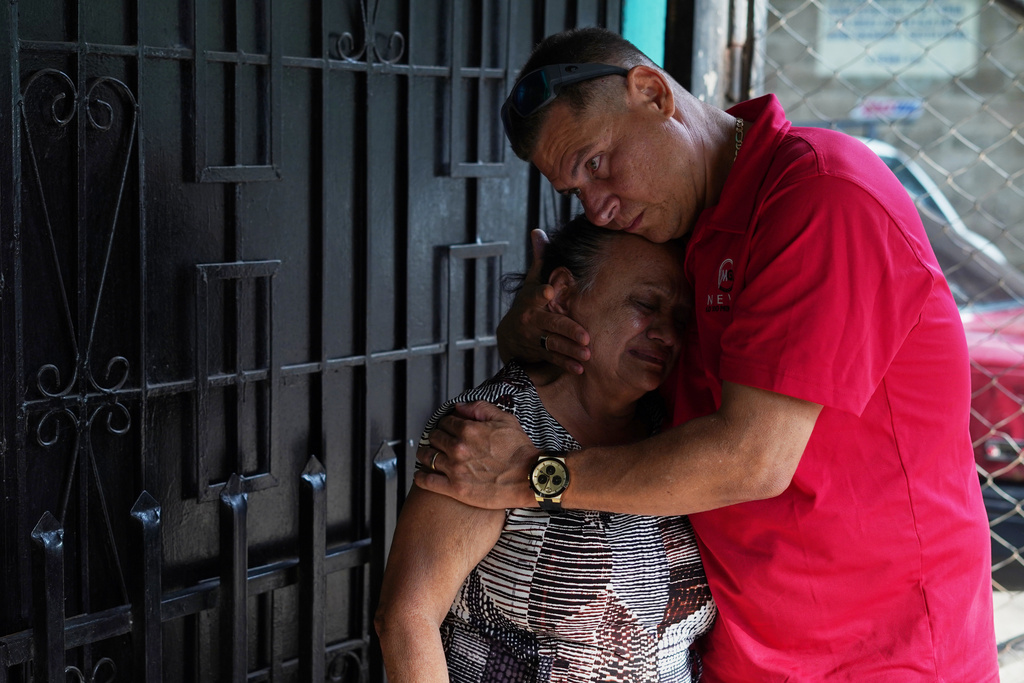
This regulation is not simply hypothetical. The U.S. government targeted at least two international reporters critical of the Trump administration. Mario Guevara, an Emmy-winning journalist, was arrested in June while covering a protest, leading to his deportation. Estefany Maria Rodriguez Florez faced arrest due to her critical reports on ICE.
Such actions contradict the First Amendment, which protects freedom of speech for all. Other countries may retaliate against American journalists, a risk highlighted by NewsGuild-CWA. Past instances include reduced visa processing for U.S. journalists in China during 2020 and Russia banning U.S. reporters in 2024.
Reporters Without Borders emphasized the importance of fair visa procedures for fostering international reciprocal treatment. Despite numerous objections, the regulation was finalized with these issues unaddressed. This development highlights the U.S. administration’s distrust during a time when journalists face escalating global threats.
Last year, 67 journalists were killed, 503 detained, 135 went missing, and 20 were held hostage. Congress must act swiftly. Lawmakers need to use their oversight authority to assess the rule’s impact on press freedom. They should consider legislation that blocks the rule from taking effect and enhances journalists’ protections.
Sens. Tim Kaine and Lindsey Graham previously proposed the International Press Freedom Act, expanding I-visa coverage to journalists under threat, but the proposal stalled. Congress must prevent the U.S. from appearing repressive and must protect the press’s freedom worldwide.
Margy O’Herron, from Cornell’s Migration and Human Rights Program, and Dan Berger, a partner at Green and Spiegel LLC, call for proactive steps to safeguard journalists. Protecting press freedom remains imperative for fostering a democratic society.