
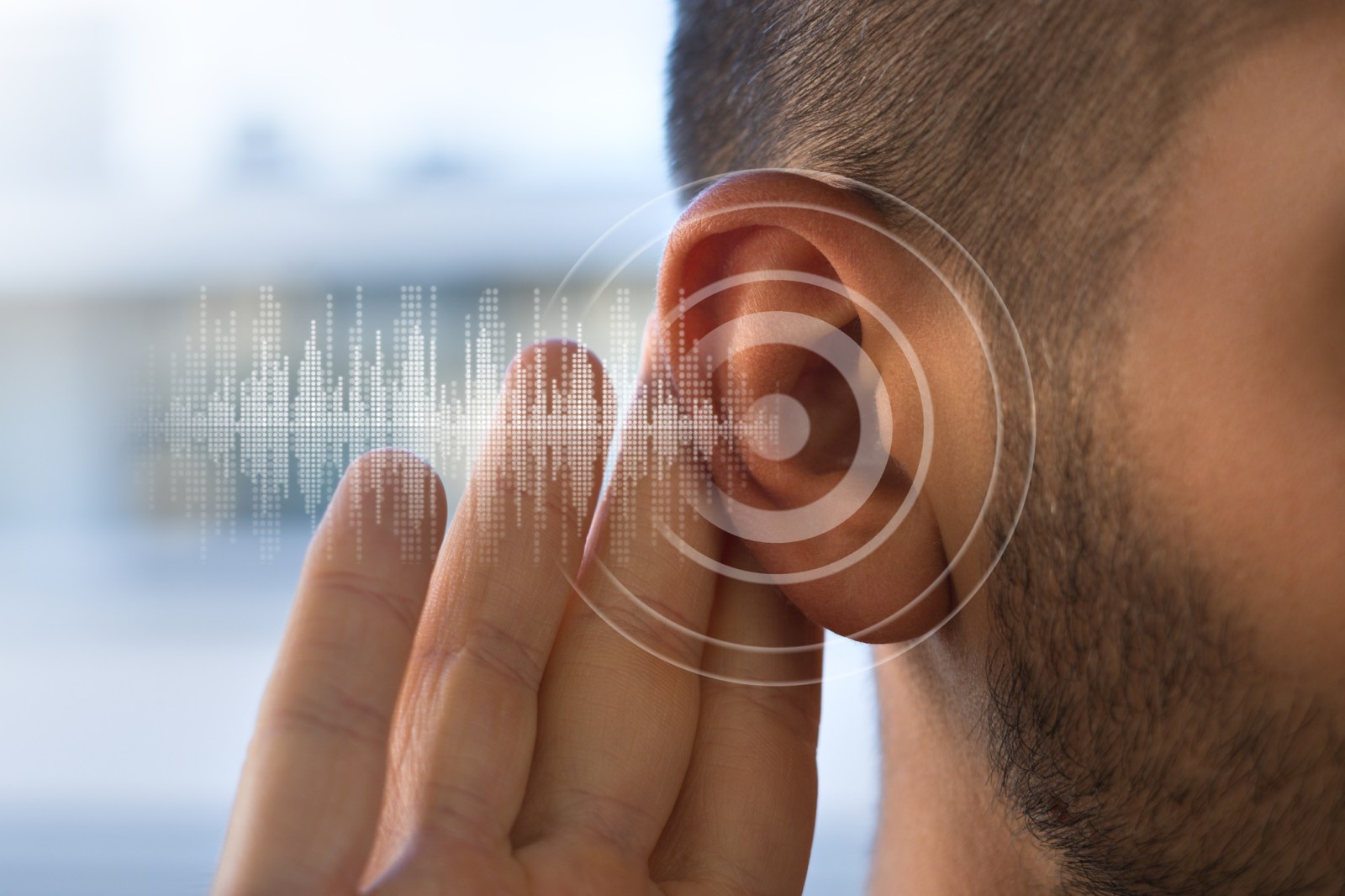
Our daily routines might include habits that unknowingly harm our hearing. Though hearing develops early in life, we often neglect its care. Hearing allows us to enjoy music and hear our child’s first words, yet it remains delicate. According to the American Academy of Audiology, approximately 40 million American adults experience hearing loss due to noise exposure. This affects individuals across various ages and backgrounds. Many are unaware of how cumulative hearing damage can be, as noted by Rachel Artsma, a senior audiologist at Hear.com.
Types of Hearing Loss
Hearing loss falls into three categories: conductive (outer or middle ear issues), sensorineural (inner ear problems), and mixed (a combination of both). Indicators of hearing loss include muffled sounds, ringing in the ears, needing louder volume levels, and difficulty with background noise.
Common Habits That Pose Risks
Avoiding noisy environments can help maintain hearing health. Several everyday practices might lead to long-term hearing damage.
Using Earbuds at High Volume
Earbuds and headphones are common, but when used at high volumes, they pose a significant risk. Artsma highlights that listening to loud music through earbuds is a frequent concern. If you cannot hear those around you while using earbuds, they are likely too loud. Follow the 60/60 rule: keep the volume at 60% of its maximum and limit listening to 60-minute sessions. High volumes, especially to overcome background noise, can damage inner ear hair cells permanently.
Driving With Windows Down
Open car windows, particularly on highways, can produce harmful noise levels due to wind turbulence. Artsma warns about the impact on regular commuters, as prolonged exposure may lead to hearing stress. Total noise exposure, not just isolated events, affects hearing health.
Using a Hairdryer Every Day
Daily hair drying contributes to overall noise exposure. While a hairdryer might not be the loudest tool, its frequent usage, combined with other noisy activities, can result in significant exposure. Artsma points out that household appliance noise often goes underestimated, posing a higher risk for professionals like hairstylists who use these tools extensively.
Steps to Protect Your Hearing
Some hearing loss can be treatable with lifestyle adjustments. Consider taking listening breaks, lowering the volume, and embracing natural sounds. Noticing warning signs such as ringing after loud noise should prompt action. If repeating or clarifying conversations becomes routine, it could indicate a hearing issue instead of aging or fatigue.
For further inquiries or if health concerns are on your mind, contact Newsweek editors Charlotte Nisbet and Shakeema Edwards. Reach out to [email protected] for expert advice and potential feature stories.