
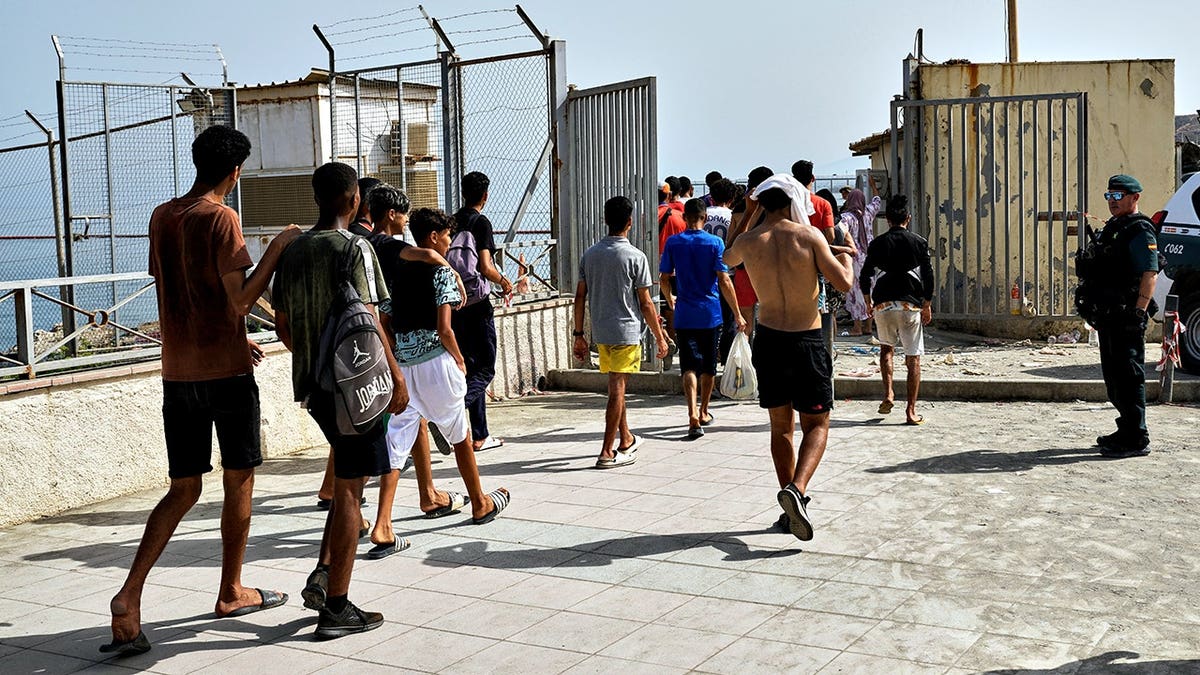
At least 72 migrants have died during an attempt to storm into the Spanish enclave of Ceuta. This event has escalated into a major humanitarian disaster and has reignited the ongoing debate over immigration policies in Europe.
Spanish authorities continued their search over the weekend for more victims off the coast of Ceuta. An estimated 50,000 to 60,000 migrants, primarily young men, entered the North African territory of Spain. Many victims drowned while crossing the waters and others lost their lives in a stampede near a breakwater.
The mass influx unfolded over several days. It temporarily increased Ceuta’s population, typically around 84,000, by more than half. By Sunday, numerous migrants had returned to Morocco, while some remained in Ceuta or sought to evade authorities.
Military Intervention
In response to the situation, Spain deployed military forces. At least 18 people died as the border enclave was overwhelmed by migrants attempting to cross. Tensions have increased on the political front with leaders calling for stricter border controls and the deportation of remaining migrants.
Santiago Abascal, head of Spain’s Vox party, visited Ceuta on Sunday, criticizing the government. He labeled the influx an “invasion” and accused officials of failing to defend Spanish borders. Meanwhile, Guardia Civil officers continued to recover bodies from the waters.
It pains me deeply that young people are dying at sea. It’s not right that, in the year 2026, women with children as young as two months old should be crossing the sea only to die,
said Karima Abenaz, a French national in Ceuta.
She expressed sorrow over the deaths, emphasizing the availability of food and resources in Morocco. She suggested that instead of risking their lives at sea, people should demand their rights from the government.
Political Reactions and Concerns
Amidst the political debate, European Parliament member Alvise Pérez faced heated protests during a rally in Ceuta. Police escorted him to safety after counterprotesters confronted him.
Local residents, like Mohamad Abdelkader Driss, argue that the responsibility lies with the authorities, not young migrants. “If you open the border, of course everyone comes in,” he commented, shifting the blame to the government.
Residents also expressed concerns about Ceuta’s longstanding reputation as a harmonious city for Christian, Muslim, Jewish, and Hindu communities. They questioned the potential for another such mass migration event.
The U.S. State Department heightened its travel advisory to Level 3, urging reconsideration of travel to Ceuta. The advisory cited potential security risks due to the uncontrolled arrival of migrants from Morocco.