
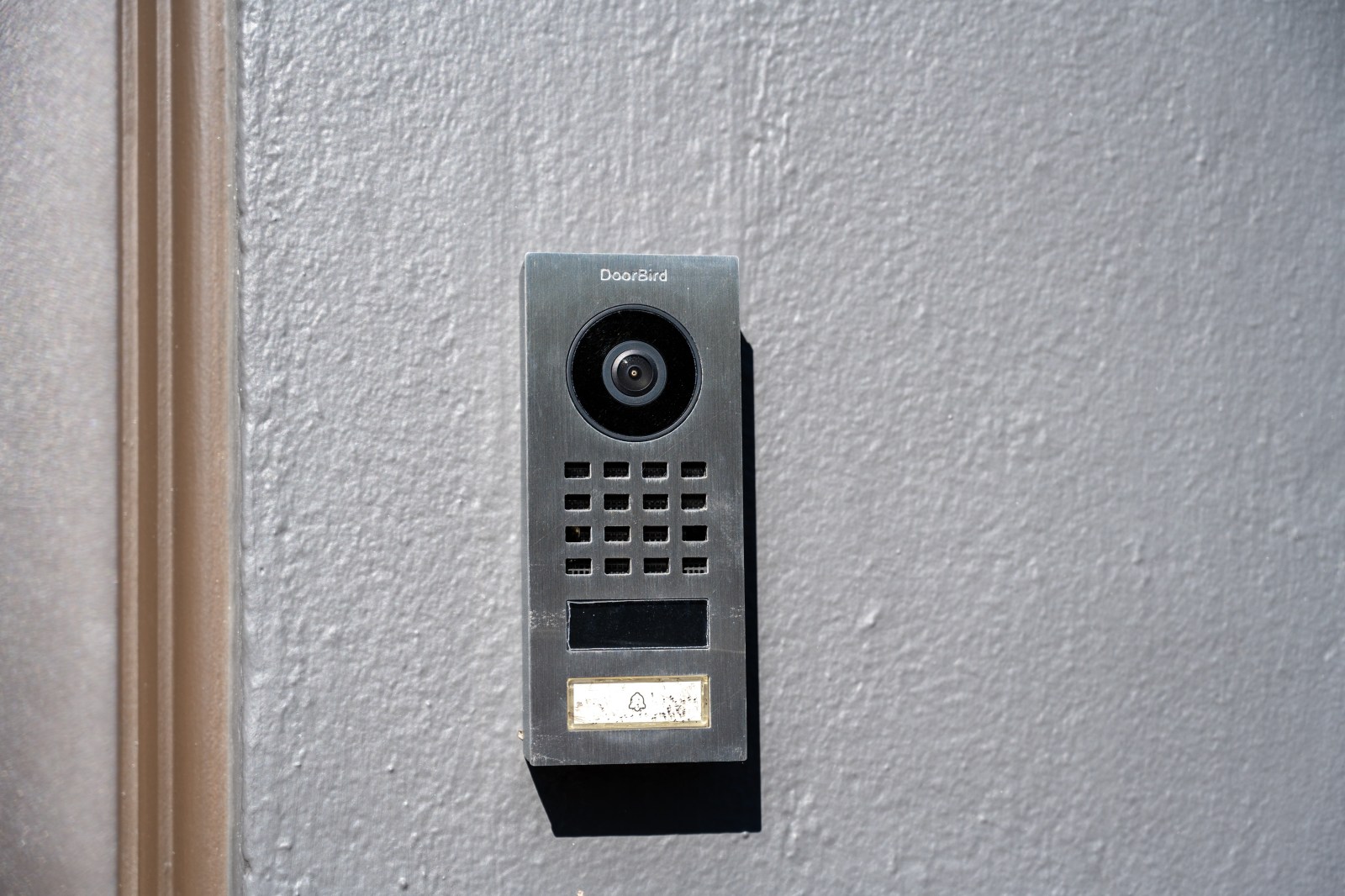
As smart-home technology becomes more prevalent, some home sellers are using devices to monitor potential buyers. This allows them to access conversations and reactions that buyers might think are private. A LendingTree survey in June 2026 of 2,000 consumers found that 56% of home sellers used hidden cameras during viewings. Meanwhile, 72% of buyers felt they were being watched during tours.
The Real Estate Tension
The survey reveals a rising tension in real estate. Sellers use new tools to protect properties and gather information. Buyers worry their private discussions about a home could be recorded. These discussions often include impressions and negotiating strategies.
“Modern smart doorbells capture crystal-clear audio 50 feet away from the front door,” says Greg Field, a realtor with HomeSmart Realty Pros in Tempe, AZ.
He adds that buyers should assume they are on a reality show from the moment they arrive at a house.
Why Sellers Monitor Showings
Sellers cite protection as the main reason for using cameras, with 61% acknowledging this. They monitor potential buyers as they walk through. Some seek insights into buyer reactions. About 19% want to know what buyers like or dislike about the property. At least 18% aim to gain an advantage on buyer interest or to hear the agent’s feedback.
“Homebuyers today should assume everything they say or do is recorded when viewing homes and plan accordingly,” says Cara Ameer of Coldwell Banker.
Matt Schulz of LendingTree agrees that making this assumption is safest.
Impact on Buyer Behavior
The idea of being watched changes a buyer’s approach to showings. Realtors advise discretion in property discussions, as cameras may be present. Buyers who once spoke openly now hold conversations outside the property. Cameras create discomfort. About 19% have left a tour feeling watched, and 18% chose not to make an offer.
LendingTree reports, 64% of recent buyers worry about seller surveillance during tours. More than 1 in 5 avoided discussing budget or offers due to recording concerns.
“Knowing recording equipment was used would make 34% of Americans less likely to submit an offer,” according to the survey.
Legality of Recording Buyers
Recording tours depends on property location and type of recording. Video is commonly accepted, yet audio can be legally complicated.
“Video is common, audio is a legal minefield,” says Field.
Without consent, recording conversations violates real estate ethics and may lead to wiretapping cases. Many states have stricter rules for audio than video.
Professionals advise sellers to disclose devices, while buyers should assume conversations can be overheard. To keep discussions about price, strategy, and impressions private, buyers are wise to wait until they have left the property.
In a connected market, an open house isn’t just for buyers to inspect the home. It allows sellers to inspect buyers too.