
The final days leading to the Senate vote on the ‘Protect College Sports Act’ were marked by intense negotiations among the SEC, Big Ten, and the White House. All parties were acutely aware of the pressure and urgency to present a version of the bill that would gain broad support. Late-night discussions and rigorous communications persisted for months, fueled by the belief that this legislation could stabilize the chaotic state of college sports.
Intense Negotiations
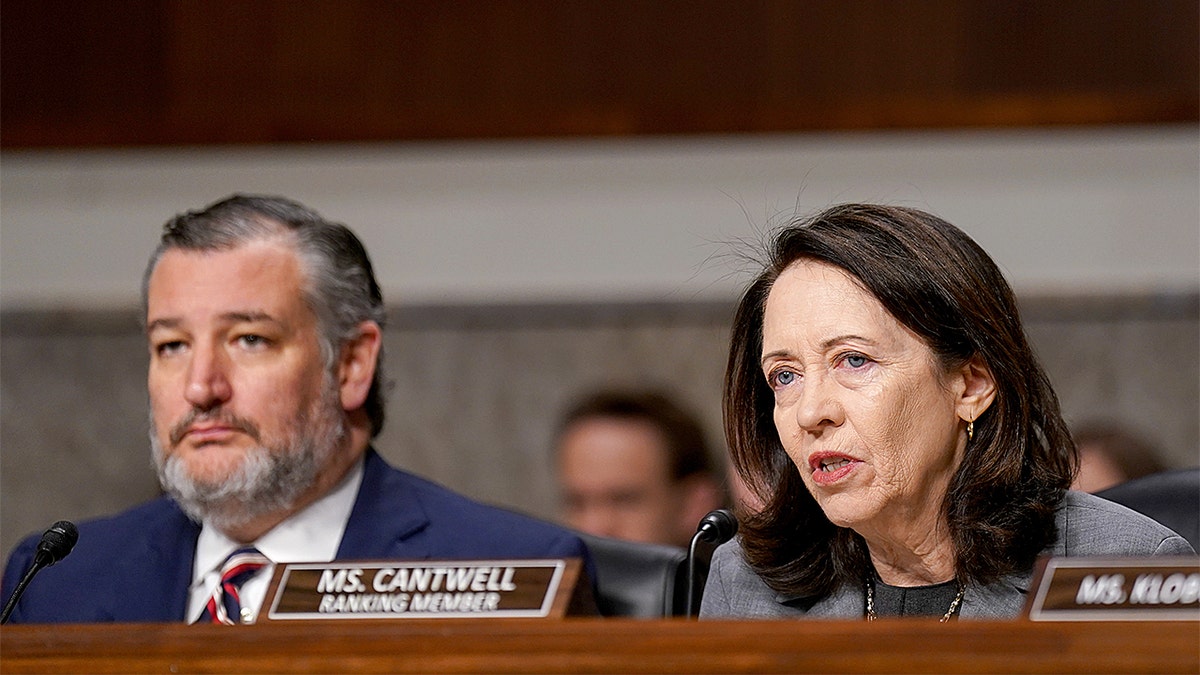
Senator Ted Cruz (R-Texas) and Senator Maria Cantwell (D-Wash.) spearheaded efforts to introduce a bipartisan bill that would address key concerns in college sports. Senator Eric Schmitt (R-MO) supported the initiative, emphasizing the importance of safeguarding college sports for future generations.
The ‘Protect College Sports Act’ targets several prevalent issues. Unlimited transfers and ambiguous eligibility rules are fostering instability. The bill aims to establish guidelines that favor both athletes and institutions. It seeks to provide stability to the Name, Image, and Likeness (NIL) marketplace and has involved direct input from athletes, coaches, and conferences.
Coordination Across Conferences
Throughout negotiations, communication was crucial. Big Ten Commissioner Tony Petitti and SEC Commissioner Greg Sankey frequently engaged in discussions to align their strategies. Coordinated calls among major conferences further highlighted the complex nature of these negotiations.
A determined effort by congressional aides and senate staff underscored the challenges and significance of reaching an agreement before the Senate scheduled its summer recess. Senate Majority Leader John Thune remarked on the time constraints, which fueled a sense of urgency among all parties.
Key Provisions in Focus
A principal concern has been the regulation of multimedia rights deals, with revisions ensuring that schools adhere to strict provisions. The legislation would require attestations from sponsors affirming that funds are not sourced directly from the institution. Further stipulations include strengthened eligibility rules and measures against tampering.
Other provisions involve adjusting the retention pool from $20 million to $22.5 million and establishing conference membership caps. The legislation also includes a controversial provision requiring schools shifting conferences to operate independently for five years, aimed at protecting smaller conferences.
Legislative Deadline Approaching
Senate members like Ted Cruz and Maria Cantwell worked diligently, often engaging through virtual means, to finalize the necessary details. Their efforts, alongside contributions from President Trump and his college sports committee, were instrumental in preparing the legislation for a Senate vote.
Senator Eric Schmitt joined discussions with SEC leaders to resolve outstanding issues. The anticipation is that procedural actions will allow a Senate vote before the impending summer recess. As the deadline looms, the significance of timely action becomes increasingly apparent, with all stakeholders eager to move the bill forward.