
Economic Developments Impacting American Households
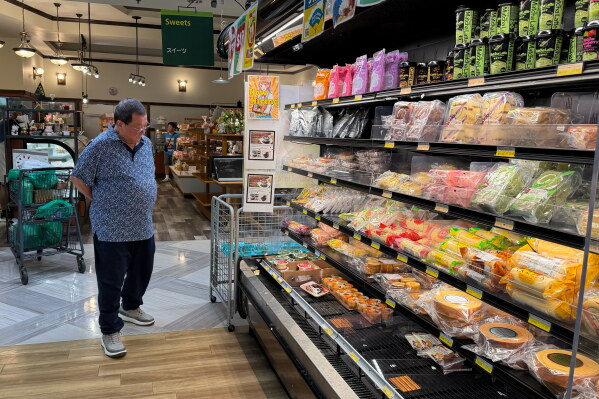
The economic landscape and inflation have been significant concerns recently. Grocery and gas prices have increased, affecting household and business decisions.
US Economy Growth in the Second Quarter
The U.S. economy grew by 1.5% from April to June. Rising imports contributed to this sluggish pace. However, consumer spending, a major component of economic activity, increased by 3.2%, up from 0.5% earlier this year.
Business investment rose by 8.4%, reflecting significant investments in artificial intelligence.
Mortgage Rates Reach Yearly High
For the fourth consecutive week, the average long-term U.S. mortgage rate increased, reaching the highest level in a year. Freddie Mac reported that the 30-year fixed-rate mortgage is now at 6.66%. This trend presents challenges for potential homebuyers facing higher borrowing costs.
The 15-year fixed-rate mortgage also saw an increase, now at 6.04%.
Consumer Confidence Declines
American consumer confidence dipped as gas prices and geopolitical tensions influenced pessimistic attitudes. The Conference Board’s consumer confidence index fell to 90.8 in July from 92.2 in June, showing limited improvement throughout the year.
Gas prices, previously dropping to $3.70 per gallon, rose again to $4.11, intensifying economic concerns.
Volatile Stock Market
July ended with stock market fluctuations, although the week concluded with gains. Amazon’s stock rose while Apple’s declined. Rising oil prices exacerbated inflation concerns.
Brent crude oil’s price increased by 2.1%, affecting gasoline prices, which climbed to an average of $4.11 per gallon across the U.S.
Federal Reserve Holds Interest Rates
The Federal Reserve decided to keep its key interest rate unchanged. Despite this stability, consumers continue to experience high credit card rates and mortgage interest levels, offering limited financial relief.
Unemployment Benefits Rise
Jobless benefit applications increased slightly last week but remain within healthy historical ranges. Recent filings rose by 9,000 to 197,000, maintaining low levels not seen in over fifty years.
These benefits serve as a real-time indicator of the labor market’s health, showing the current economic stability despite the rise in applications.