
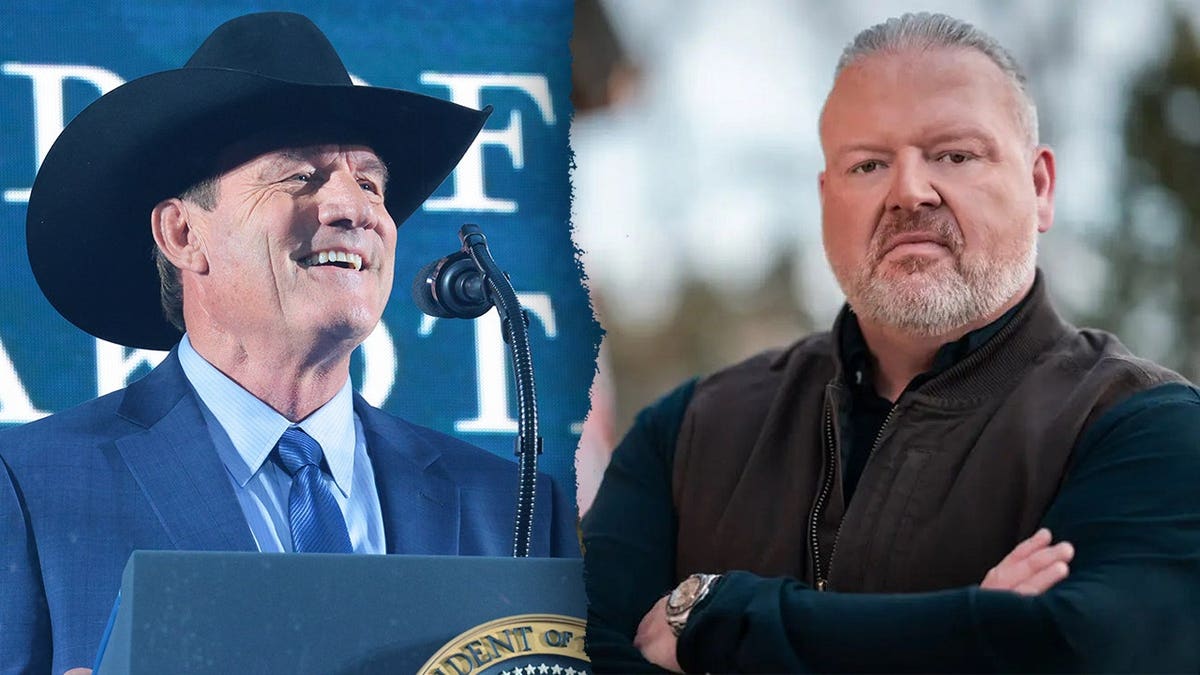
South Dakota Governor Larry Rhoden overcame a primary runoff challenge from businessman Toby Doeden. The runoff was the first in the state’s history for a gubernatorial nomination. Rhoden secured 70.5% of the vote, with Doeden obtaining 29.5%, as reported by The Associated Press.
This election was notable as the first time voters used a runoff due to no candidate achieving the required 35% of the primary vote. Rhoden received 25.2% initially, trailing Doeden’s 30.6% in a four-way primary in June, prompting the runoff.
Rhoden assumed the governorship after Kristi Noem vacated to join the Trump administration. Doeden, an entrepreneur, built a reputation as a Bitcoin enthusiast. He claimed extensive research into cryptocurrency, committing significant investment time and resources.
Doeden advocated for state investments in Bitcoin, proposing a Bitcoin reserve despite opposition from investment and budget authorities. His campaign focused on eliminating property taxes, criticized by Rhoden for its potential fiscal imprudence.
Rhoden highlighted his achievements in tax relief, pointing to significant property tax cuts signed in March. He countered Doeden’s outsider claims by emphasizing his legislative experience and practical governance.
The general election in November will see Rhoden face former Democratic state Senator Dan Ahlers. South Dakota has not had a Democratic governor since 1979, indicating a longstanding trend in state leadership.
Throughout the campaign, property taxes remained a pivotal subject. Rhoden demonstrated his commitment to fiscal responsibility, contrasting Doeden’s perceived radical proposals.
Presidential support was muted, with Trump mentioning Rhoden in a speech but not engaging directly with the primary race. Doeden, a vocal Trump supporter, campaigned on loyalty to Trump’s “America First agenda.”