
A Senate panel is ready to address the Name, Image, and Likeness (NIL) regulation in college sports. Amid current disorder, the panel aims to standardize processes for athletes. Former Alabama football coach Nick Saban has criticized the existing system for placing financial gain over player development. Meanwhile, Senator Cynthia Lummis from Wyoming has expressed concern that smaller schools may face challenges in retaining talented athletes like Josh Allen, due to financial limitations compared to larger schools.
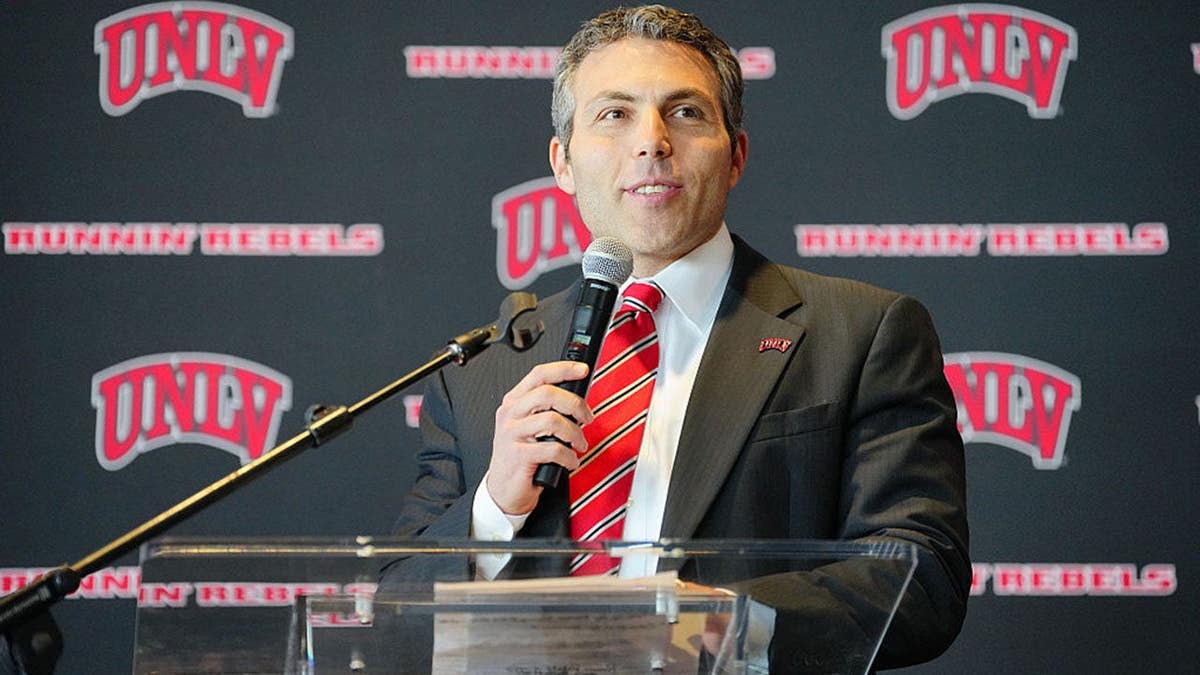
In an unconventional move, the UNLV basketball team is embracing this shift by opening a new revenue path. According to UNLV head coach Josh Pastner and the athletic department, they are putting the basketball team up for sale. The team’s intent is to capitalize on the NIL era, where college boosters play a significant role in athlete compensation through transfer portals and high school athlete recruitment.
This proposal has caused discussions, especially as Las Vegas entrepreneurs have long sought to include an NBA team in the city’s professional sports offerings. Josh Pastner sees an opportunity for potential NBA investors, suggesting they redirect funds to support college basketball instead.
“Buy the college basketball team. It’s legal now. You can be the owner of the UNLV Runnin’ Rebels men’s basketball team, and it’s a lot less expensive,” said Josh Pastner. “You don’t have to spend over a billion dollars to own our team. I’m asking for $10 to $12 million to own our team, and you still get a great tax write-off. You can be as involved, and you can tell people you are the owner of the team.”
Pastner’s statement is serious about the offer. The UNLV basketball team has even created materials comparing the ownership of a college program to buying high-end luxury items to illustrate what can be achieved with $10 million.
According to promotional materials, UNLV is leveraging the city’s growing status as a sports hub. The statement highlighted Las Vegas as the host of the NBA Summer League and the 2028 Final Four. With these developments, owning a college team in the center of such growth is depicted as an enticing prospect.
For UNLV, this strategy serves as a fundraising effort to compete in the costly landscape of college athletics. Offering ownership could appeal to boosters who frequently make significant contributions to aid athletic programs. Unlike professional sports, college athletics yield little direct financial return on investment for donors. However, the school provides involvement in strategy and other perks like courtside seats.
It is uncertain how this ownership model will materialize, especially with regard to team decision-making. While financial support is crucial, it is unlikely that coaching staff would welcome game strategy suggestions from financial backers.