
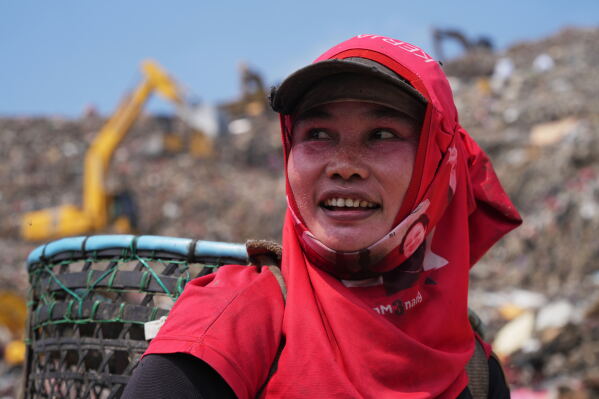
In Bantargebang, Indonesia, waste pickers like Nur Wencih begin their work long before dawn. Wencih has spent two decades at this landfill, following in her parents’ footsteps to provide for her family. Earning approximately 200,000 rupiah ($12) on a good day, she collects discarded items such as toys, cardboard, and plastic bottles. Occasionally, she finds valuable items like gold jewelry.
Change is on the horizon, as Indonesia plans to transform the site from open dumping to a controlled waste management system starting August 1. The government aims to close open-dumping operations at 343 out of 550 disposal sites nationwide. These sites will transition to systems that focus on handling only waste that cannot be recycled or composted, such as diapers and dirty paper towels. This initiative is part of a national strategy to improve environmental health and reduce pollution.
It feels like hitting a jackpot,Wencih shared during a July break.
Jakarta’s Environment Agency, led by Dudi Gardesi Asikin, emphasizes the goal of reducing methane emissions, which significantly contribute to global warming. Methane is more potent than carbon dioxide in trapping heat. Reducing its presence is crucial in climate efforts, as highlighted by U.N. Secretary-General António Guterres.
Addressing Methane Emissions
The Bantargebang landfill, located on Jakarta’s outskirts, emits high levels of methane, underscoring the need for reform. Asikin notes that the landfill, opened in 1989, was initially equipped to manage methane emissions through sanitary landfill techniques. However, following a private-sector contract lapse in 2016, it devolved into an open dumping ground, lacking proper waste coverage.
Efforts to refurbish Bantargebang involve covering disposal areas with tarps. Asikin warns that completing this endeavor may require as much as 200 billion rupiah ($12 million). Presently, only two of the original methane extraction wells are functional.
Challenges for Waste Pickers
This transformation presents challenges for over 4,000 registered waste pickers at Bantargebang, including Wencih, who depend on the landfill for their livelihood. The government aims to create safer jobs in recycling and composting. However, the uncertainty of future incomes concerns many like Wencih.
Nur Wencih questions how she will continue to support her family under the new system. The landfill also supports local businesses, including rental housing and food stalls, which serve the waste picker community, according to neighborhood chief Bunin.
Bantargebang’s Scale
Bantargebang spans approximately 110 hectares, with waste piled to the height of a 20-story building. Daily arrivals of around 7,500 tons of waste from Jakarta exacerbate its immense scale. A recent collapse triggered by rain tragically claimed seven lives, highlighting the pressing need for landfill management improvements.
Current satellite data identifies Bantargebang as a significant global methane emitter, second only to a site in Argentina. Experts like Evan George from UCLA underscore the importance of reducing organic waste to decrease emissions, although long-term monitoring remains essential.
Changing Waste Culture
The reform mandates Jakarta residents to sort their waste, separating food scraps and recyclables. This new practice challenges traditional habits. Dudi Asikin acknowledges the complexity of introducing these practices to a populace unaccustomed to sorting waste, despite support from various government institutions.
Environmental advocates stress the need for recycling and composting infrastructure to support this change. With only about a quarter of waste managed by formal systems, a significant cultural shift is necessary. Activists like Monica T. Anggriani are pioneering such initiatives at the community level.
Our generation was never taught to separate waste,Anggriani said.If we don’t start now, nothing will change in the future.
While the journey is challenging, the transformation of waste management at Bantargebang marks a significant step toward a more sustainable future for Indonesia.
Associated Press writer Jennifer McDermott contributed to this report. The Associated Press’ climate coverage receives support from various private foundations, independently ensuring content responsibility.