
Introduction of New Legislation
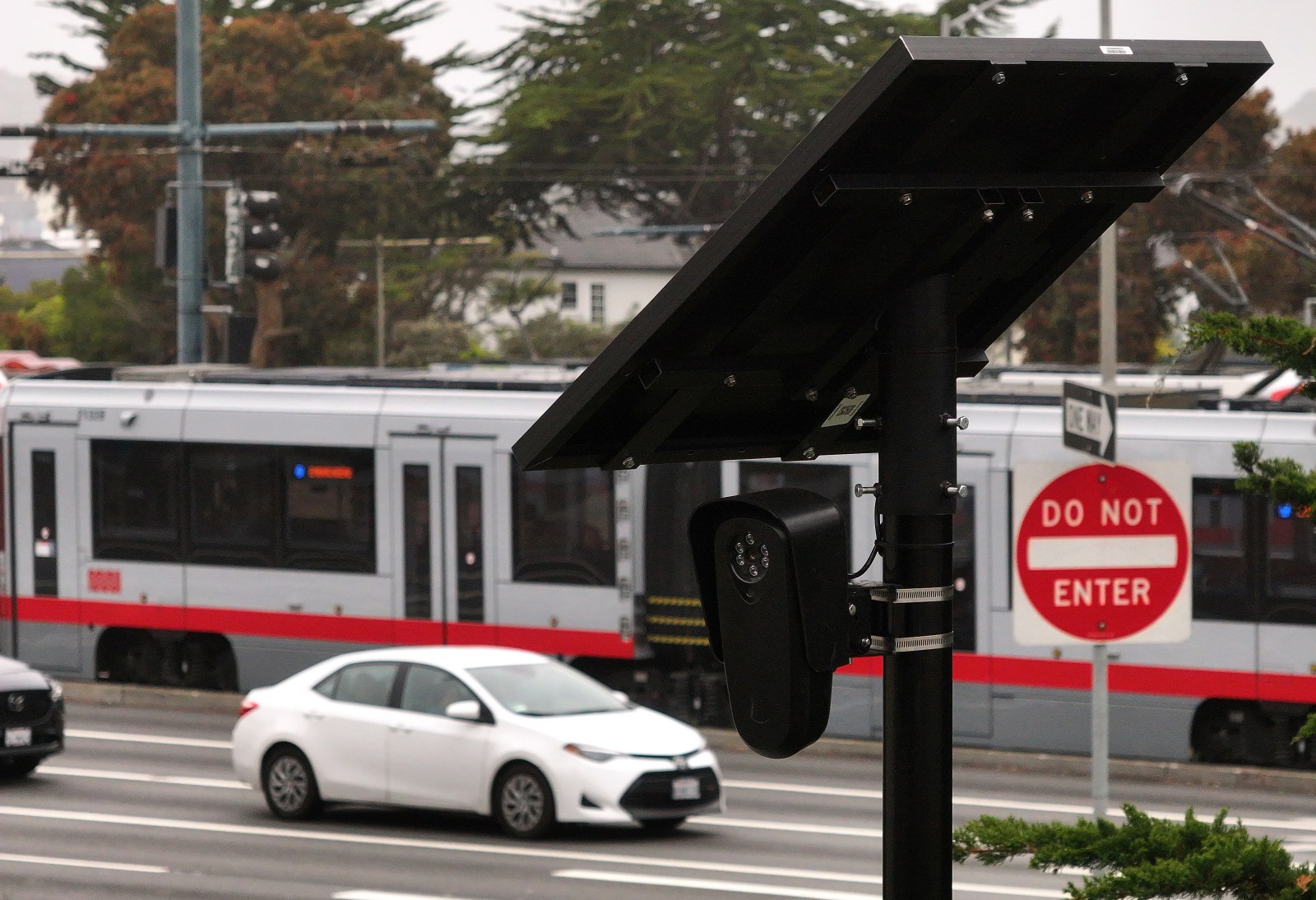
Representative Thomas Massie, a Kentucky Republican known for his libertarian views on government surveillance, announced plans to introduce legislation aimed at removing federal funding from municipalities and police departments that use automatic license plate readers (ALPR) and other surveillance systems. He revealed the impending proposal in a post on X, stating his intention to sponsor a bill that would impact departments deploying systems like those from Flock Safety.
Targeted Technology
Flock Safety, based in Atlanta, provides ALPR technology to over 5,000 law enforcement agencies in more than 6,000 communities nationwide. Their cameras collect detailed information on vehicles, including license plate numbers, make, model, color, and the time and location of sightings.
Flock Safety’s Response
A spokesperson for Flock Safety warned of potential consequences for public safety resulting from Massie’s proposed legislation. They highlighted that in 2025, Flock’s technology was instrumental in more than one million public safety investigations, aiding in 20% of solved cases in partnered jurisdictions, and helping locate over 10,000 missing individuals. The spokesperson advocated for congressional action to ensure accountability and oversight rather than banning crucial public safety tools.
The Surveillance Debate
Massie’s announcement adds to the ongoing national debate about ALPR networks’ expansion. Proponents argue these technologies are essential for crime resolution, vehicle recovery, and Amber Alerts. Conversely, opponents believe that constant tracking leads to databases capable of monitoring innocent citizens’ movements.
The upcoming bill complements earlier legislation introduced by Massie and Representative Lauren Boebert. Their Surveillance Accountability Act demands probable-cause warrants for specific surveillance activities and limits warrantless use of technologies that track vehicles or perform facial recognition. This initiative targets enhancing Fourth Amendment protections regarding government surveillance.
Local Concerns
While law enforcement officials view ALPR systems as force multipliers, the technology has faced local-level opposition. Several municipalities, such as Flagstaff, Arizona; Cambridge, Massachusetts; and Santa Cruz, California, have declined to renew contracts with Flock, citing privacy concerns and data-sharing policies.
Legislative Challenges
Massie’s proposal faces challenges in Washington. Although surveillance skepticism resonates with some lawmakers across political lines, police organizations and many Congress members generally support funding for law enforcement tools. Expected resistance comes from those focused on public safety and entities with investments in the infrastructure.
Massie’s proposal is in preliminary stages with bill text still pending.