
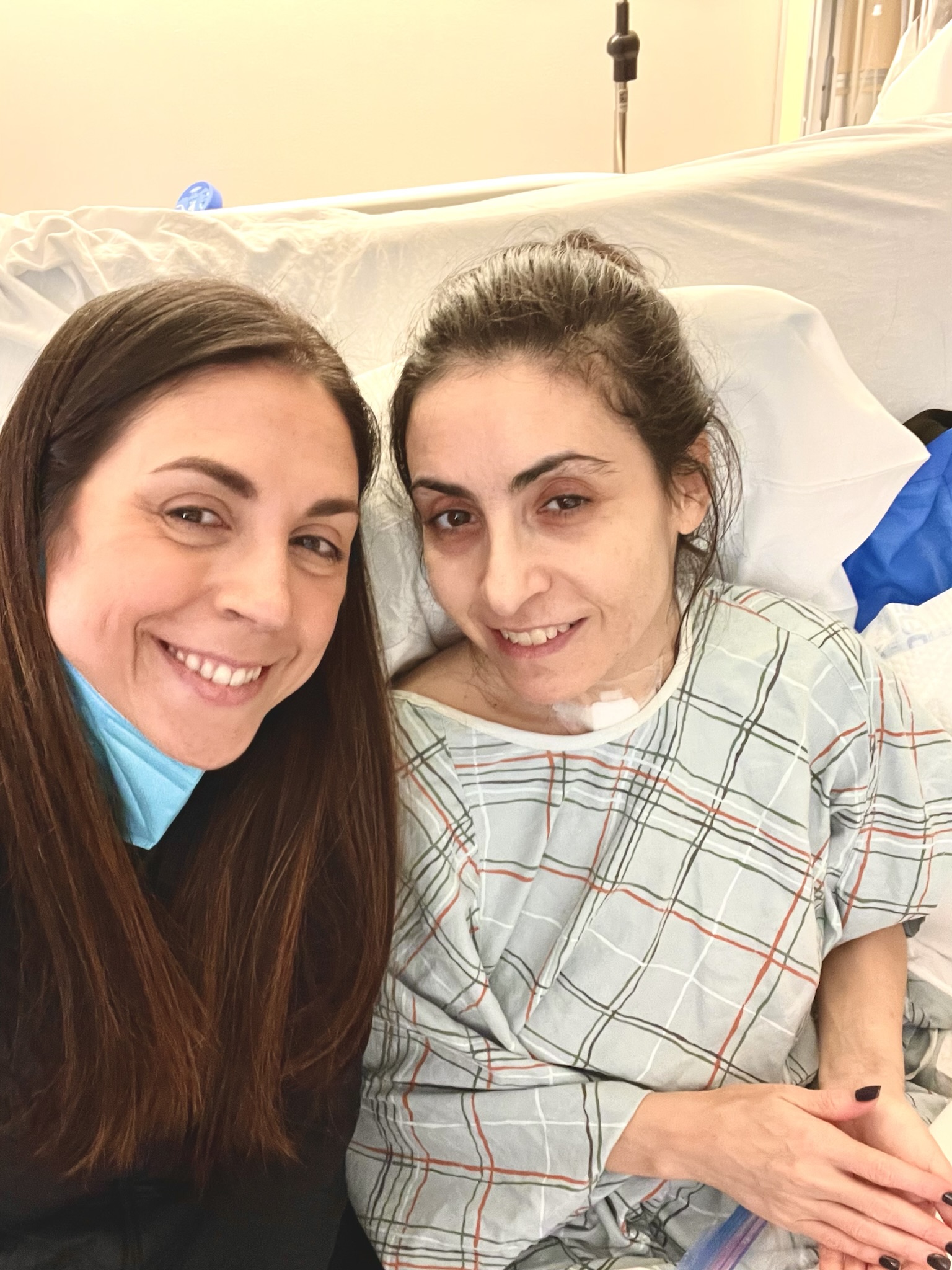
Four years ago, my life was in serious jeopardy. On January 8, 2022, I informed my doctor, “I feel terrible,” and struggled to even speak. I was unable to move from bed, my head pounding with intense pressure.
The previous day, I had visited the ER thinking I had a severe respiratory infection. They sent me home. By night, my condition worsened dramatically. My speech slurred, I became weak and confused. My parents hurried me back to the hospital, where I was diagnosed with viral encephalitis, a severe brain infection causing rapid brain inflammation.
I was then induced into a coma for two weeks. Upon waking, I found myself unable to speak, breathe independently, eat, or walk.
Now, I reside in New York City, working full-time and living independently. I run nearly every day and am preparing for my 10th marathon this fall. Sometimes, I overlook how remarkable these achievements are, but surviving altered my perception.
Previous Battles with Health
Decades before, I faced my first profound health challenge. In 2002, at age 23, I was diagnosed with multiple sclerosis (MS). I experienced numbness in my feet and legs and was warned I might never walk again. For years, I kept this diagnosis private, not wanting it to define me. Through rehab and determination, I regained strength.
Yet, nothing could prepare me for January 2022, when what seemed a simple cold escalated dangerously.
Overcoming the Coma and Recovery
When I woke from the coma, my body felt foreign. I had lost muscle and strength. Even sitting was tiring. Standing, my first attempt, took 30 minutes with help.
I realized life’s fragility, as I went from active independence to needing aid for basic tasks. Though fearful, I resolved to fight back.
Relearning how to move humbled me deeply. Physical therapists, patient and persistent, guided my progress even when I couldn’t perceive it.
Upon leaving the hospital, recovery was arduous. It encompassed physical, speech, and occupational therapies. Progress often meant minimal repetitions and tiny victories. In three months, I completed a 5K race through run-walking.
That race wasn’t about running, but about proving continued progress. After relearning how to stand and walk, finishing felt like reclaiming a lost part of myself.
The Path to Resilience
Eight months after nearing death, I participated in the New York City Marathon once more. I share this not for accolades, but to illustrate that recovery isn’t magical.
Recovery involves mundane, repetitive labor. It means attending therapy when you’re unmotivated, strength training despite exhaustion, and trusting unseen progress.
Resilience, although quiet, demands consistency. Four years later, I commemorate my “life anniversary,” not for perfection but for presence.
I occasionally forget my fortune. I get exasperated with work deadlines, endure long training runs, and worry about trivialities. Yet, I recall lying immobile in a hospital bed.
Volunteering and Inspiring Progress
Currently, I volunteer at Mount Sinai, visiting neuro rehab patients who face challenging conditions. Some might not walk or regain independence. Many are engulfed by fear. My presence isn’t as a miracle, but as evidence of possible progress.
I openly share: Survival doesn’t ease life, but prompts a different approach to strength, celebrating minor triumphs, and doing the work required.
Healing isn’t straightforward. Living with MS means dealing with variable strength and fatigue levels. Running serves as my metaphor for commitment. I started running in 2019 at age 40 after surviving encephalitis.
Each mile signifies overcoming tough challenges. Every marathon asserts that my body is resilient.
I have completed nine global marathons, including five Abbott World Marathon Majors. In March 2027, I aim to compete in Tokyo, seeking the sixth Abbott World Marathon star. Though medals matter, the key is that I once couldn’t step forward.
In 2002, I was warned about never walking again. In 2022, post-coma, I had to relearn walking, talking, and breathing. Between these points were countless ordinary decisions to continue.
Outlook on Life
When asked about my outlook, I share this: Control over incidents is elusive, but response determines outcomes.
The brain infection revealed unpredictability’s speed, yet persistence, even flawed, alters results. Today’s small step is substantial.
Four years past the crisis, I thrive, running and living independently, assisting others in similar struggles. Every morning, the realization dawns anew: The miracle wasn’t solely survival; it was comprehending that prognosis doesn’t dictate destiny. Resilience defies fear, and a second life chance can surpass the first.
Amy Gruenhut is a marketing executive and marathon runner in New York City, volunteering at Mount Sinai to support patients recovering. All views in this article are the author’s own.
Have a personal essay? Share it with Newsweek by emailing [email protected].